$150K Grants Open for African Classroom Innovation
A new funding program is offering up to $150,000 to help African innovators create affordable teacher training that governments can actually sustain long-term. Nine countries are now eligible to test classroom solutions that could reach millions of students.
Millions of African students are about to benefit from a breakthrough approach to teacher training that won't disappear when donor funding runs dry.
The Teaching Innovation Lab, backed by the Gates Foundation and led by education firm Elimu-Soko, just opened applications for grants up to $150,000. The program invites innovators across nine African nations to design low-cost solutions that help teachers improve how they teach reading and writing in public schools.
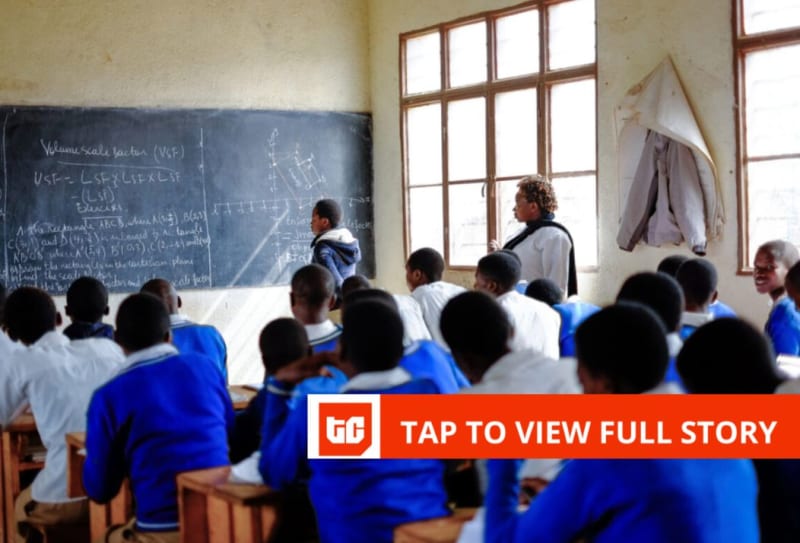
The challenge is real. Many of the best teacher training programs in Africa work beautifully but cost too much for governments to maintain once international donors move on. Teachers get excellent coaching and resources during pilot programs, then lose that support when funding ends.
Ghana, Nigeria, Senegal, Côte d'Ivoire, Ethiopia, Tanzania, Kenya, South Africa, and Mozambique can now apply. Selected projects will run for six to 12 months and must reach at least 200 teachers, with larger groups encouraged to test what works best.
The timing matters because research keeps proving that teacher quality is the single most important factor in student success. Kenya's Tusome literacy program reached 7 million learners across nearly 24,000 schools and delivered major improvements in reading skills. Global studies show that ongoing coaching helps teachers improve and maintain those gains over time.
Yet most African education systems still struggle with limited daily support for teachers, weak coaching networks, and fragmented training structures. The programs that work often stay stuck at the pilot stage because governments simply cannot afford to scale them up.
The Ripple Effect
This funding call could change that pattern entirely. By focusing on solutions that fit within government budgets from the start, successful pilots have a real chance of reaching every classroom instead of just a lucky few.
Innovators need to show how their solution addresses a specific classroom problem, how it will improve teaching or learning, and most importantly, how it can integrate into existing government systems. The best ideas will strengthen what's already there rather than requiring costly new infrastructure.
Applications close January 30, 2026, with final decisions expected in March 2026. For African founders working on education technology, this represents both capital and validation that affordable innovation can transform learning outcomes at scale.
The message is clear: effective teacher training shouldn't be a luxury that disappears when donor money does.
Based on reporting by TechCabal
This story was written by BrightWire based on verified news reports.
Spread the positivity!
Share this good news with someone who needs it