$2 Tiles Could Bring Ultra-Fast 6G to Every Room
Engineers just solved one of the biggest problems blocking super-fast 6G internet with simple plastic tiles that cost $2 each. The breakthrough could bring speeds 3,000 times faster than 5G into homes and offices in the 2030s.
The next generation of wireless internet promises mind-bending speeds, but there's been one massive problem: the signals can't get through walls. Scientists just cracked the code with an elegant solution inspired by flowing streams.
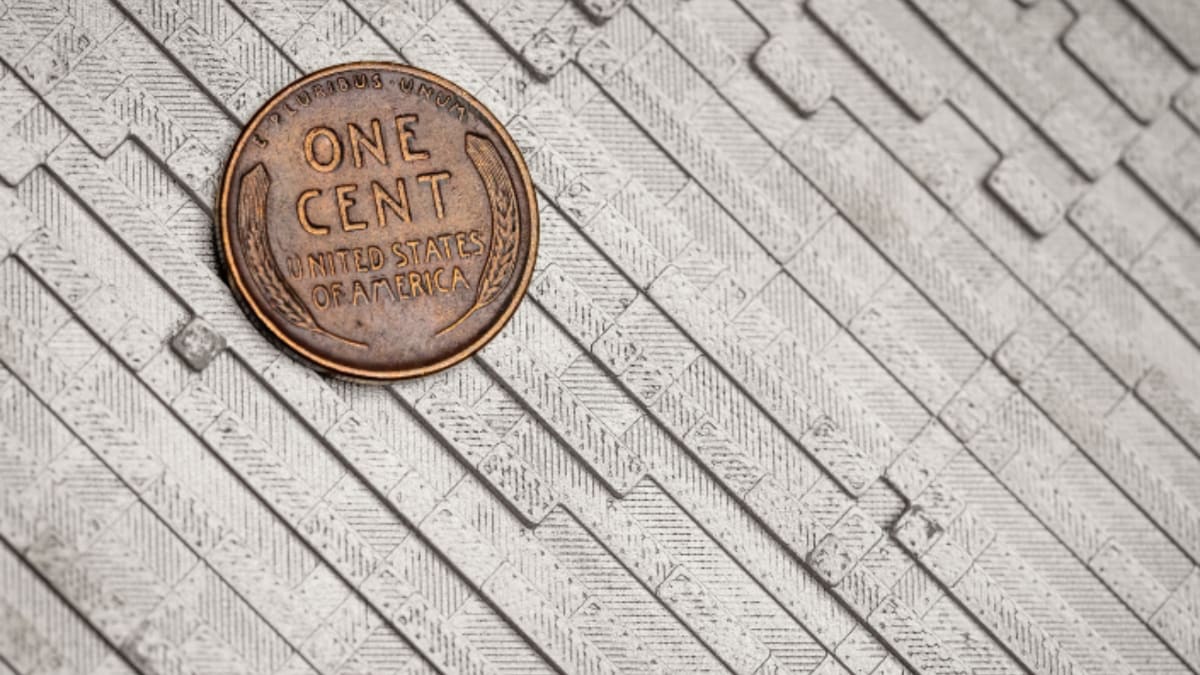
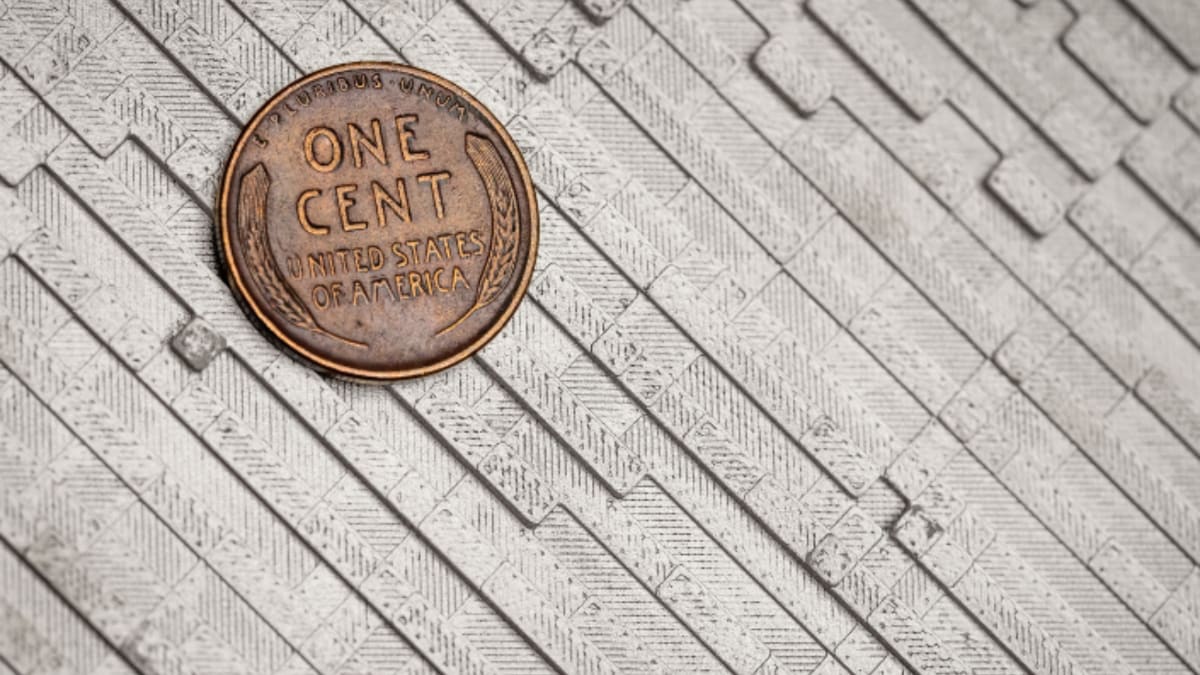
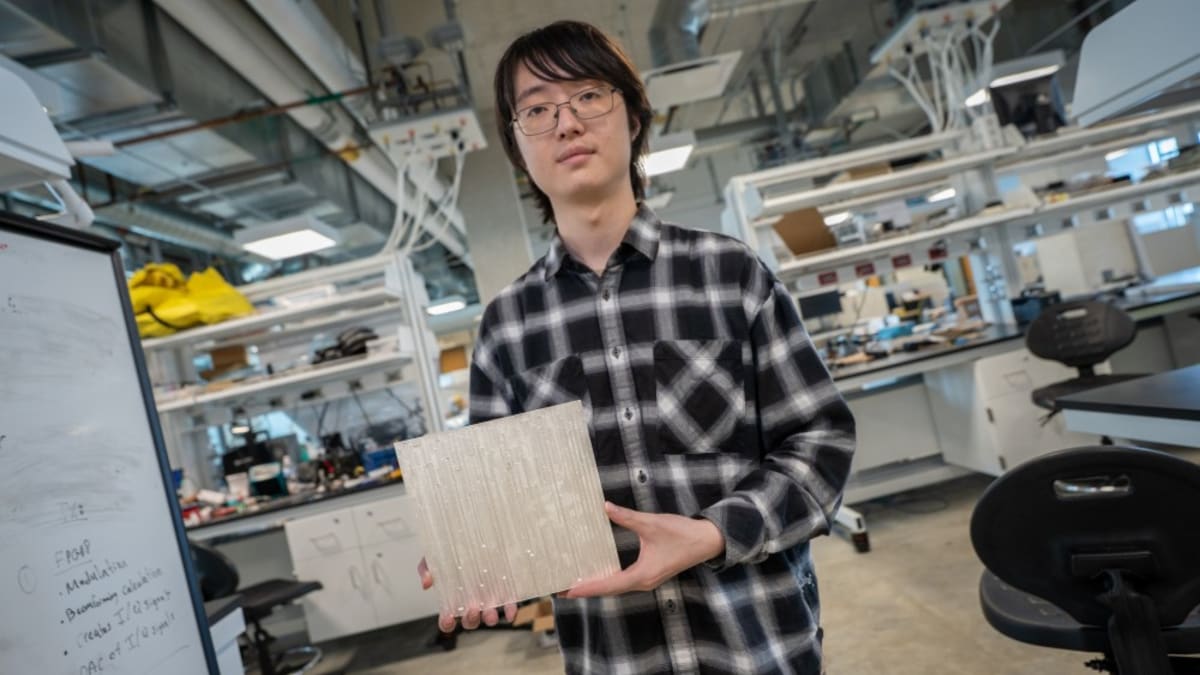
Engineers at UC San Diego created inexpensive 3D-printed tiles that guide millimeter-wave signals around obstacles instead of trying to push through them. Each 6-by-6-inch square costs about $2 to make and works without any power, wiring, or software updates.
The breakthrough tackles 6G's Achilles heel. The technology promises theoretical speeds of 1 terabit per second, roughly 3,000 times faster than average 5G. But those ultra-fast millimeter waves have wavelengths so short they bounce off walls, furniture, and even people.
That's completely different from the lower-frequency signals used by Wi-Fi and current cellular networks, which pass through obstacles easily. Without a fix, 6G coverage indoors would be spotty at best.
The tiles work like traffic directors for invisible signals. Thousands of tiny engineered features smaller than the wavelengths themselves are packed into each tile, passively redirecting signals in specific directions. Once mounted on walls or ceilings, they need absolutely nothing else.
The design draws inspiration from how small streams merge into rivers, but in reverse. Some tiles relay signals in long chains across rooms, while others fan coverage outward to where people actually are.
The Ripple Effect
In tests across five real-world indoor spaces, including cluttered offices and awkwardly shaped rooms, the tiles nearly doubled average data speeds and more than doubled coverage area. The system performed just as well as the current best solution, called active reconfigurable intelligent surfaces, which require power and cost thousands of dollars per panel.
The tiles also work beautifully for people on the move. Wireless access points already scan for the best signal path many times per second. With tiles covering a room from multiple angles, there's almost always a strong reflected path available, no matter where someone stands.
Even better, the system slots into existing networks with zero new hardware or software required. The researchers published their findings in the Association for Computing Machinery journal and presented at the ACM SIGCOMM 2026 conference in Denver.
The team has filed a provisional patent and is actively seeking industry partners to bring the tiles to market. When 6G networks roll out in the 2030s, these simple plastic squares could be the unsung heroes making lightning-fast connectivity available everywhere.
More Images

Based on reporting by Live Science
This story was written by BrightWire based on verified news reports.
Spread the positivity!
Share this good news with someone who needs it