$2.5 Billion Pledge Aims to Save Congo Basin Rainforest
World leaders just committed $2.5 billion to protect the Congo Basin, the planet's second-largest rainforest that millions depend on for survival. The groundbreaking plan includes direct funding for Indigenous communities and innovative financing beyond traditional donors.
World leaders are backing a bold new plan to save one of Earth's most vital forests, and this time they're doing it differently.
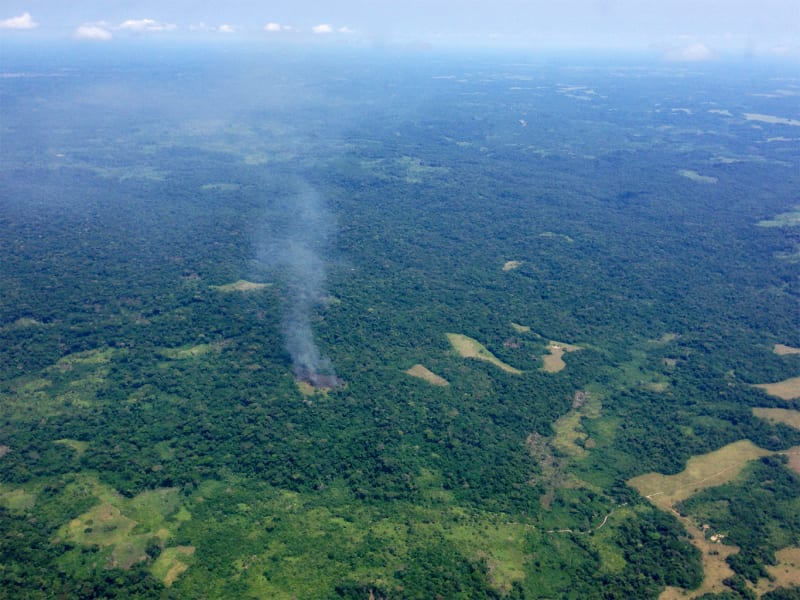
The Belém Call to Action, announced at last November's U.N. climate conference, commits $2.5 billion to halt and reverse deforestation in the Congo Basin by 2030. The massive rainforest stretches across Central Africa, storing enormous amounts of carbon and sustaining millions of people.
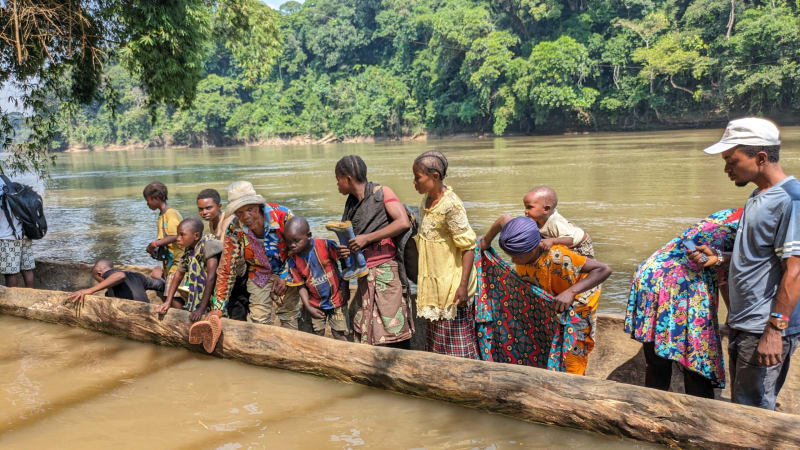
Copince Ngoma has witnessed the changes firsthand. The member of the Bakouele Indigenous community in the Democratic Republic of Congo remembers when his village forests teemed with wildlife and clean water. Now unsustainable mining has forced hunters to travel 12 miles just to find game.
High-level policymakers gathered in January to discuss how to make this pledge succeed where others have failed. Their answer centers on the people who know these forests best.
"There is an interdependence between biological diversity and cultural diversity, and Indigenous peoples contribute significantly to maintaining the Congo Basin forests," said Joseph Itongwa, who coordinates the Network of Indigenous and Local Community Peoples for the Sustainable Management of Central African Forest Ecosystems. He emphasized that communities need direct access to funding, not just promises filtered through bureaucracies.
The plan breaks new ground by moving beyond traditional donors from wealthy nations. Simon Hopkins from the Central African Forest Initiative explained that expanding contributors to include multilateral organizations and Global South countries will help scale up conservation effectively.
The Tropical Forest Forever Facility is already showing this approach works by allocating 20% of its funds directly to Indigenous peoples and local communities. Organizers want the Congo Basin commitment to follow this model.
Why This Inspires
This pledge recognizes what conservation experts have known for years: the best forest protectors are the people who live there. By putting funding directly into community hands and expanding who can contribute, the Belém Call to Action addresses the chronic underfunding that has plagued Congo Basin conservation for decades.
The timing matters urgently. Recent research shows tropical forests in the Amazon and Southeast Asia may soon release more carbon than they absorb, potentially making the Congo Basin the last major land-based tropical carbon sink on Earth.
Policymakers acknowledge past failures and are building in safeguards like traceable financing channels, strong legal frameworks and genuine engagement with civil society. Communities aren't just beneficiaries of this plan; they're central partners in protecting forests while building sustainable livelihoods.
The commitment faces real challenges, from bureaucratic hurdles to aligning community priorities with donor agendas. But the willingness to innovate and learn from mistakes offers genuine hope for the millions who depend on these forests and the planet that needs them thriving.
More Images


Based on reporting by Mongabay
This story was written by BrightWire based on verified news reports.
Spread the positivity!
Share this good news with someone who needs it