$290M Deal Speeds Hurricane Helene Recovery in North Carolina
Western North Carolina just got the largest federal-state forest partnership in U.S. history to recover from Hurricane Helene's devastating damage. The 10-year, $290 million agreement will clear debris, repair trails, and restore wildlife habitats while creating jobs across the region.
The U.S. Forest Service and North Carolina Wildlife Resources Commission just launched a $290 million partnership to help Western North Carolina recover from Hurricane Helene, marking the largest Good Neighbor Agreement in Forest Service history.
The 10-year plan gives the state commission power to tackle recovery work across the Pisgah and Nantahala national forests. Teams will remove thousands of fallen trees, repair damaged roads and recreation areas, fight invasive species, restore watersheds, and rebuild wildlife habitats.
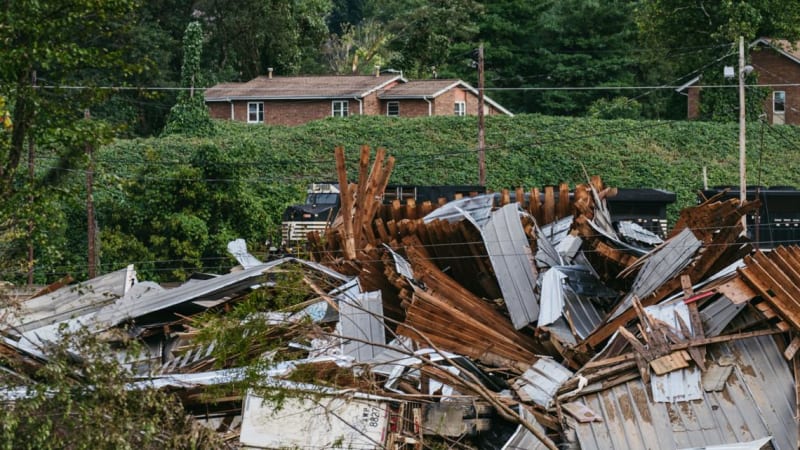
Hurricane Helene left behind tens of thousands of acres of damaged forest when it tore through the region. The storm toppled massive amounts of timber, blocked roads, damaged trails, and created dangerous wildfire fuel loads that threatened communities.
Forest Service Chief Tom Schultz said restoring access to these beloved forests means restoring both local economies and the outdoor recreation that defines the region. Hikers, campers, and nature lovers have been waiting to return to trails and campgrounds that have been closed since the hurricane.
Wildlife Resources Commission Executive Director Kyle Briggs explained that Helene's damage was so extensive that only federal and state cooperation could tackle it. The partnership brings together Forest Service resources with North Carolina's local expertise and faster decision-making.
The Ripple Effect
This agreement does more than clear fallen trees. It creates jobs for local workers who know these forests best, pumping $290 million into communities still recovering from the storm.
The Good Neighbor Authority that makes this possible started in 2001 when Congress realized state agencies could sometimes manage federal lands more efficiently. The 2018 Farm Bill expanded the program, and now North Carolina is showing how powerful these partnerships can be.
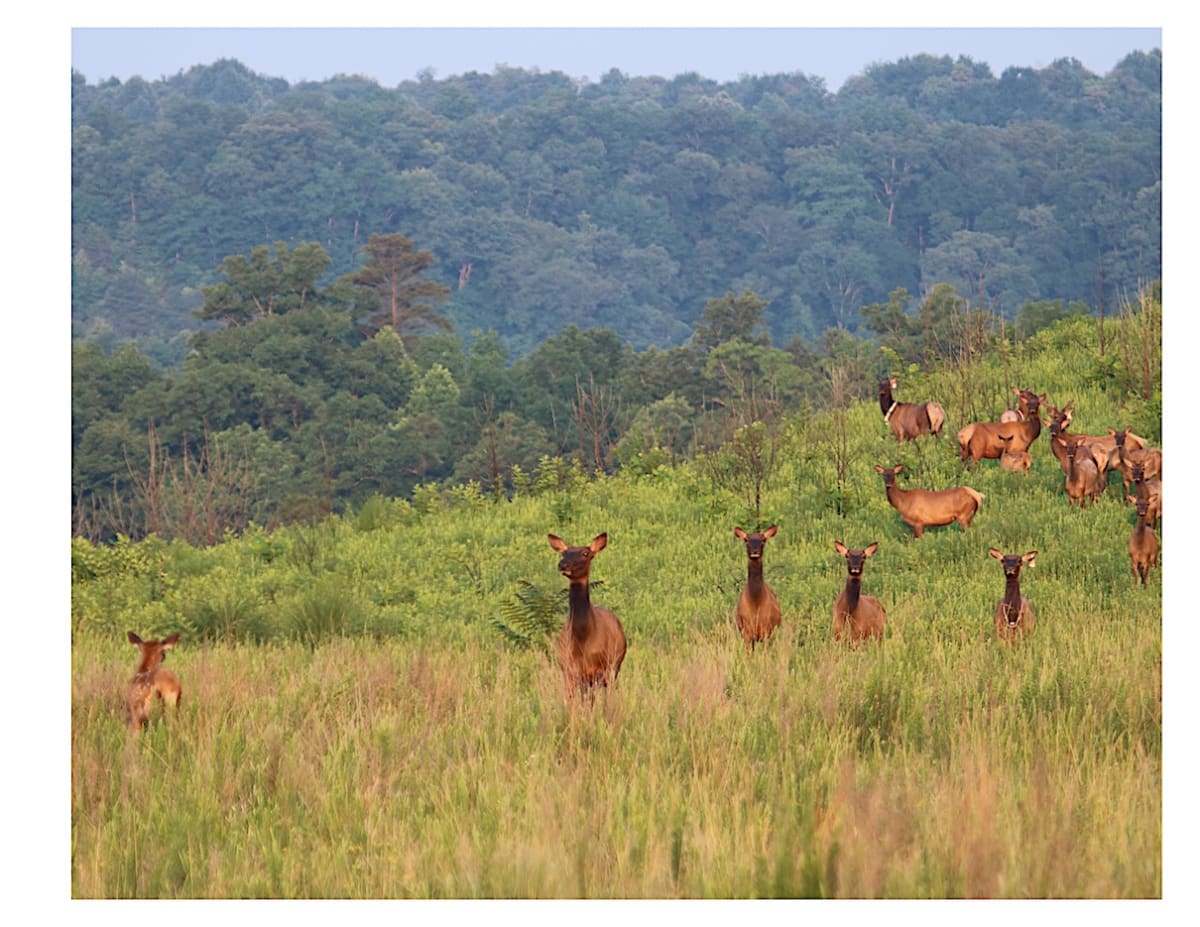
Restored forests mean healthier habitats for black bears, elk, trout, and countless other species that call these mountains home. Cleared trails mean families can return to favorite camping spots and hikers can explore the waterfalls and views that draw millions of visitors each year.
The work begins immediately and will continue for a decade, ensuring long-term recovery rather than quick fixes. Local contractors and conservation workers will have steady employment restoring the forests that define Western North Carolina's identity and economy.
Western North Carolina's forests are coming back stronger, thanks to the biggest federal-state forest partnership ever created.
More Images




Based on reporting by Google News - Wildlife Recovery
This story was written by BrightWire based on verified news reports.
Spread the positivity!
Share this good news with someone who needs it