$50 Billion Investment Revives Rural Healthcare Access
A new $50 billion program is bringing quality healthcare closer to home for rural Americans, helping small towns keep families and attract businesses. All 50 states received grants to modernize facilities, expand services, and strengthen the healthcare workforce.
Small towns across America just got a powerful tool to reverse decades of population decline and economic struggle.
The Rural Health Transformation Program launched in January with $50 billion in federal funding distributed to all 50 states. The initiative targets a problem that has plagued rural communities for years: families moving away because reliable medical care is too far from home.
Rural hospitals and clinics often rank among the largest employers in their regions. When they close or shrink services, entire communities lose jobs, consumer spending drops, and businesses struggle to find workers willing to stay.
The program invests in three key areas: recruiting and training healthcare workers, upgrading outdated facilities and technology, and supporting innovative care delivery models. That includes both in-person services and telemedicine options that can reach patients in remote areas.
For small business owners in rural America, the changes could be transformative. Many entrepreneurs report losing talented employees to cities where healthcare access is better. Parents move for pediatric specialists. Retirees relocate closer to hospitals. Young professionals choose urban jobs over rural opportunities.
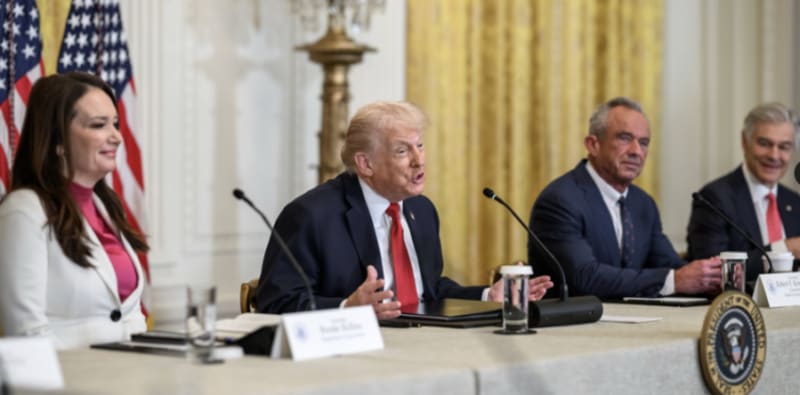
Karen Kerrigan, President of the Small Business & Entrepreneurship Council, attended the White House launch event on January 16. She met dozens of doctors, nurses, and healthcare leaders working to bring modern care to underserved communities.
The Ripple Effect
When healthcare improves, entire local economies strengthen. Employees miss fewer work hours traveling long distances for medical appointments. Businesses can recruit workers who previously wouldn't consider rural locations. Families choose to stay instead of moving for better access to care.
Research shows that healthcare access functions as an economic anchor, generating wages and downstream spending that supports other local businesses. The program aims to fill critical gaps in rural ecosystems, making these communities viable places to live, work, and invest again.
State and local leaders now face the work of deploying these resources effectively. Healthcare providers are already developing plans to expand services, and small business owners are watching with hope that this investment will help them compete for talent and grow their operations.
For the first time in years, rural America has a genuine shot at rebuilding the healthcare infrastructure that holds communities together.
More Images


Based on reporting by Google News - Economic Growth
This story was written by BrightWire based on verified news reports.
Spread the positivity!
Share this good news with someone who needs it