$650M Solar Investment to Power 1 Million African Homes
WeLight is investing $650 million to bring electricity to remote African communities, aiming to connect one million homes by 2030. Nigeria and the Democratic Republic of Congo will receive the majority of funding to help close a gap affecting 170 million people.
More than 560 million people across sub-Saharan Africa live without electricity, but one company is betting big on changing that reality.
WeLight, Africa's largest solar mini-grid developer, announced plans to invest $650 million across five African countries over the next six years. The investment aims to grow the company's customer base tenfold and reach one million connections by 2030.
Nigeria and the Democratic Republic of Congo will receive $450 million of the total funding. These two countries alone account for 170 million people living without power, representing two of the world's largest electricity access gaps.
The remaining $200 million will strengthen operations in Madagascar, Mali and a fifth country yet to be announced. CEO Romain de Villeneuve said the company wants to move even faster than planned.
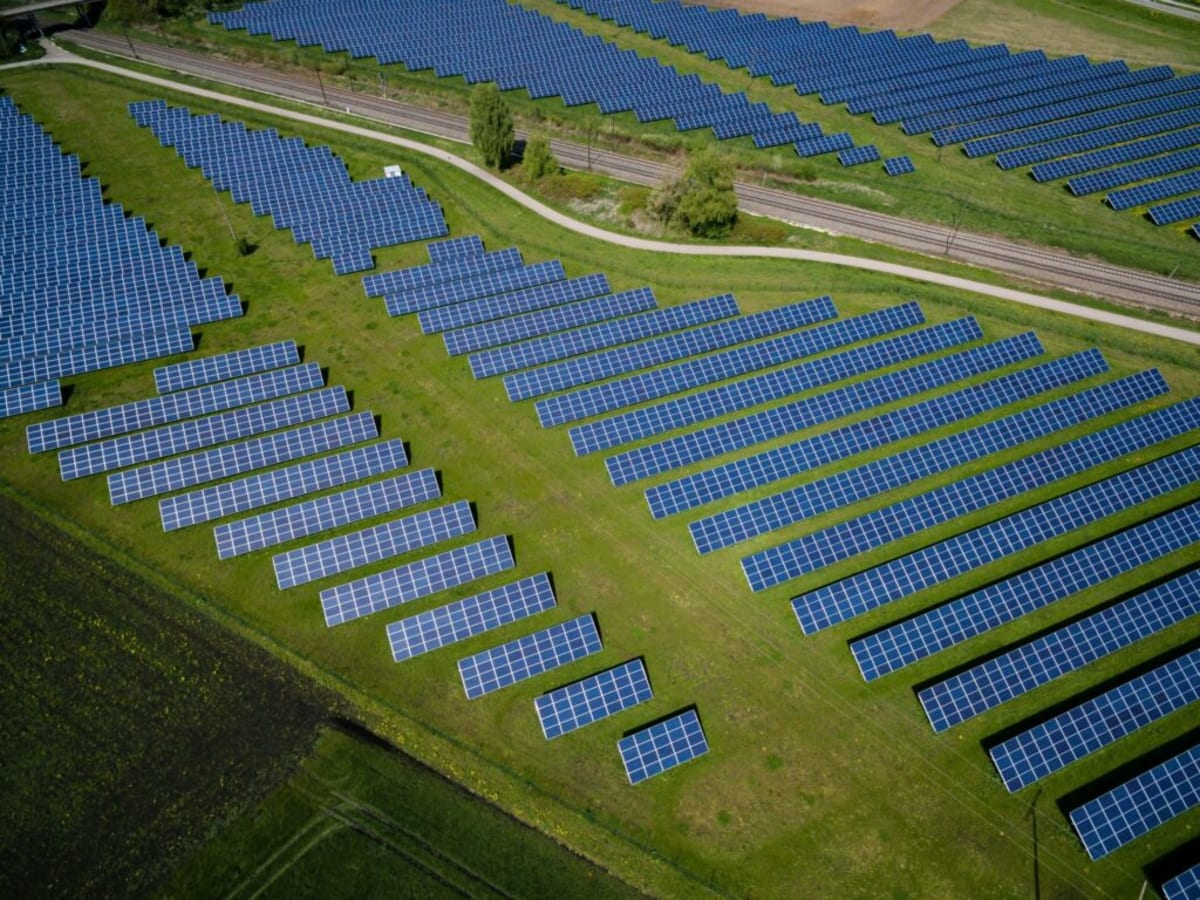
Mini-grids combine solar panels, battery storage and local distribution networks to reach communities beyond national power grids. These systems serve homes, schools, health facilities and small businesses in remote areas where traditional grid extension remains slow and expensive.
The expansion received a major boost last month when the International Finance Corporation became a WeLight shareholder. The company joins founding investors AXIAN Group, Sagemcom and Norfund in backing the ambitious rollout.
The Ripple Effect
Expanding electricity access reaches far beyond turning on lights. Rural electrification supports new businesses, improves healthcare delivery and expands digital connectivity in underserved areas.
About half the investment will come from dedicated renewable energy programs, including the World Bank-backed Distributed Access through Renewable Energy Scale-up program in Nigeria and the Mwinda Fund in the DRC. The remaining funding comes from equity and concessional debt.
De Villeneuve acknowledged the scale of the challenge. "Private money cannot finance everything," he said, highlighting the need for blended public and private capital.
International development institutions are increasingly channeling financing toward distributed renewable energy as a faster route to electrification than grid extension alone. Mini-grid developers have grown rapidly across Africa in the past decade, though funding has often lagged behind the enormous need.
One million connections by 2030 represents real progress toward closing Africa's electricity gap, one community at a time.
Based on reporting by Google: clean energy investment
This story was written by BrightWire based on verified news reports.
Spread the positivity!
Share this good news with someone who needs it