$750K Gift Unlocks Geothermal Energy That Could Power Earth
Oregon State University just received $750,000 to study superhot rock geothermal energy that could generate eight times more electricity than the world currently uses. Scientists are recreating conditions from miles underground to unlock clean energy that never runs out.
Scientists just got a major boost in their quest to tap into an underground energy source so powerful it could transform how we power the planet.
Quaise Energy donated $750,000 to Oregon State University to study superhot rock geothermal energy, a clean resource sitting just miles beneath our feet. If successfully developed, this technology could supply 63 terawatts of carbon-free power by tapping just 1% of available resources.
That's more than eight times all the electricity humans currently use worldwide.
The challenge is that this energy exists two to 12 miles underground, where temperatures reach 704 degrees Fahrenheit. At those depths, water transforms into a supercritical state, a dense steam-like phase that can carry up to five times more energy than regular hot water.
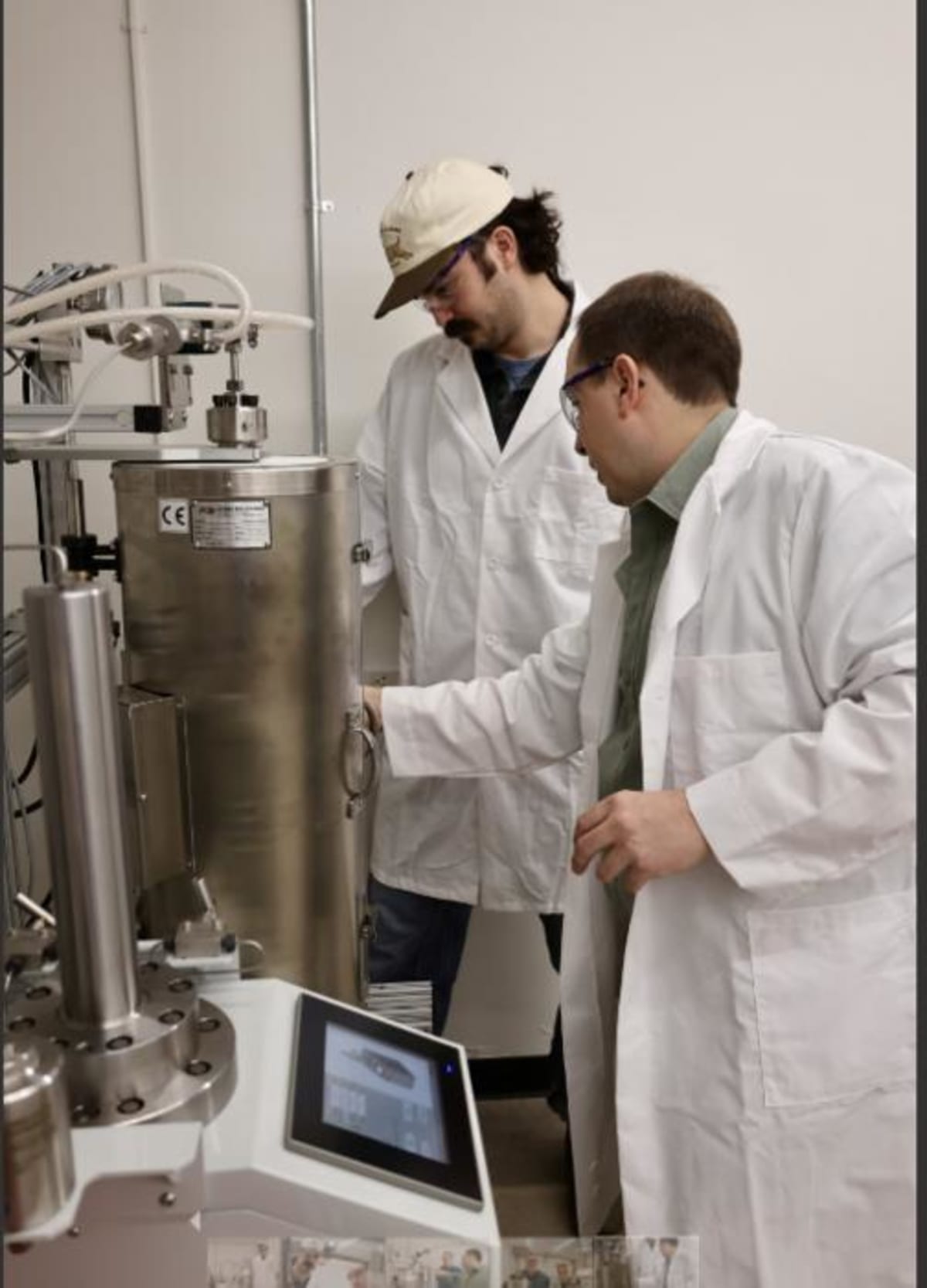
Professor Brian Tattitch leads OSU's Experimental Deep Geothermal Energy lab, where researchers built a custom reactor that recreates these extreme conditions. The equipment withstands temperatures up to 932 degrees Fahrenheit and pressures 500 times stronger than what we experience at Earth's surface.
"We're developing a flow-through reactor that allows us to move fluid through the same kinds of rock under superhot conditions while letting us look at how the systems change in real time," Tattitch explains.
The research tackles real problems that could make or break this technology. Minerals like quartz could crystallize and block the pathways where fluid needs to flow, essentially clogging the system like a drain.
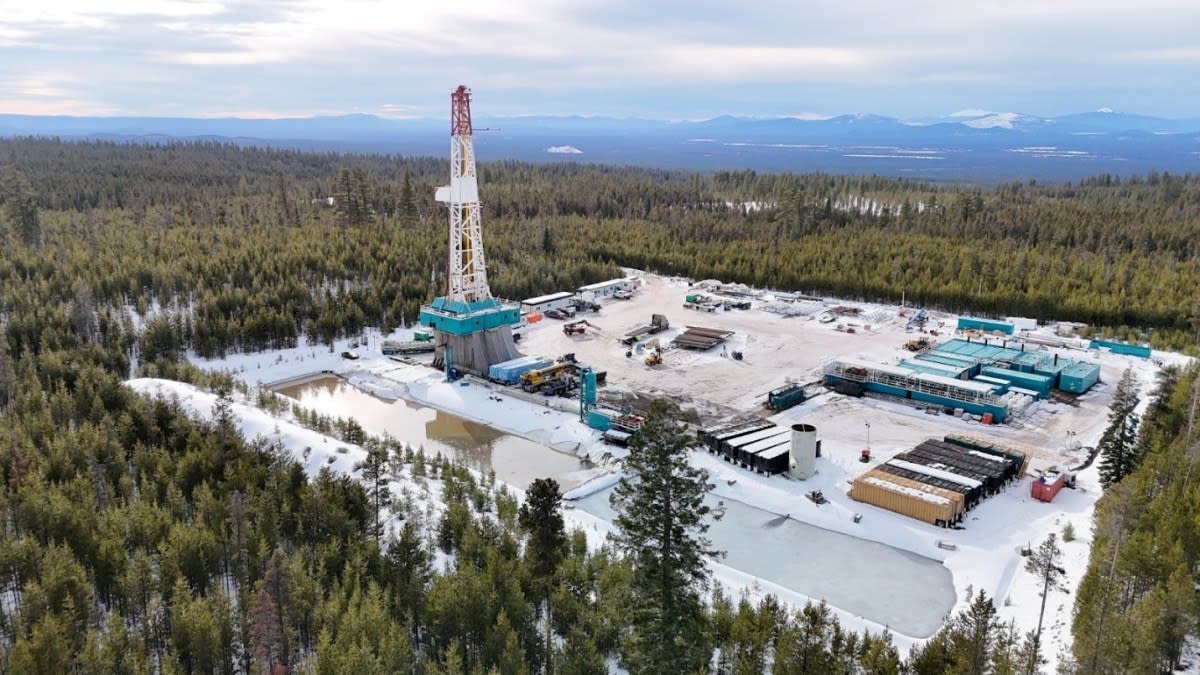
Meanwhile, Quaise Energy is pioneering new drilling technology to reach these depths. The MIT startup just drilled 118 meters straight down into Texas granite, setting a record. Their 2026 goal is to extend that distance by more than eight times to one kilometer.
The Ripple Effect
This research creates opportunities far beyond clean energy. Undergraduate and graduate students are gaining hands-on experience with technology that could define their entire careers.
"Right now, superhot rock is a frontier," says Tattitch. "Those students will go on to have careers in the field when it becomes a functional method for generating significant power."
The work also reduces financial risk for future geothermal projects. Geoffrey Garrison, Quaise's Vice President of Operations, notes that early access to this data will help design wells and reservoirs that actually last in these extreme conditions.
Unlike solar and wind, geothermal energy works 24/7 regardless of weather. It produces no carbon emissions and requires relatively little land compared to other renewable sources.
A clean energy revolution might be closer than we think, and it's happening in a university lab in Oregon.
More Images
Based on reporting by Google News - Clean Energy
This story was written by BrightWire based on verified news reports.
Spread the positivity!
Share this good news with someone who needs it