Dominican Republic Makes Rooftop Solar Easier for All
The Dominican Republic just slashed approval times and boosted payments for homeowners who want to go solar. The new rules could help renewable energy reach 30% of the nation's power by 2030.
Getting solar panels on your roof in the Dominican Republic just became a whole lot easier.
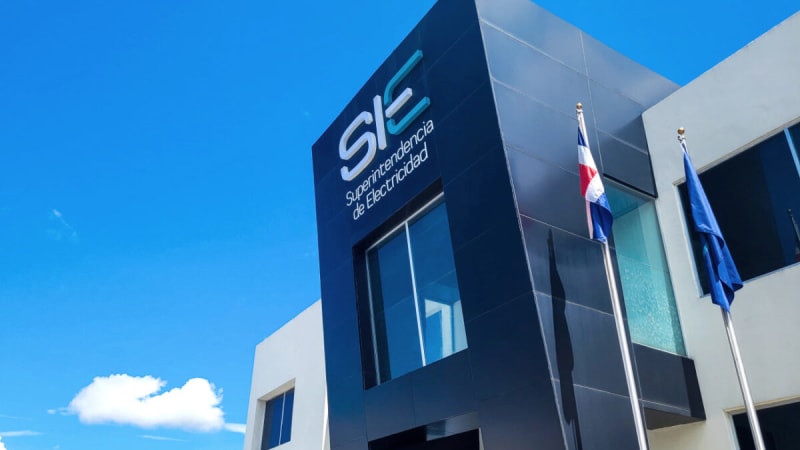
The country's electricity authority released new regulations that cut red tape, speed up approvals, and pay homeowners more for the clean energy they generate. The changes take effect at the end of May and represent one of the Caribbean's most progressive solar policies.
The biggest win? Approval times drop from four months to just 45 days maximum. If officials don't respond within that window, applications automatically get approved. That simple change could unlock thousands of solar installations that previously got stuck in bureaucratic limbo.
Homeowners also get a better deal for the surplus energy they send back to the grid. Compensation jumps from 75% to 100% of their annual energy contribution. Electric companies must now install the necessary bidirectional meters for free, and they have to reimburse customers who already bought their own.
The rules tackle a major bottleneck that frustrated communities for years. Previous regulations capped solar installations at 15% per circuit, blocking many neighborhoods from going solar even when residents wanted it. That limit disappears if studies show the local grid can handle it safely.
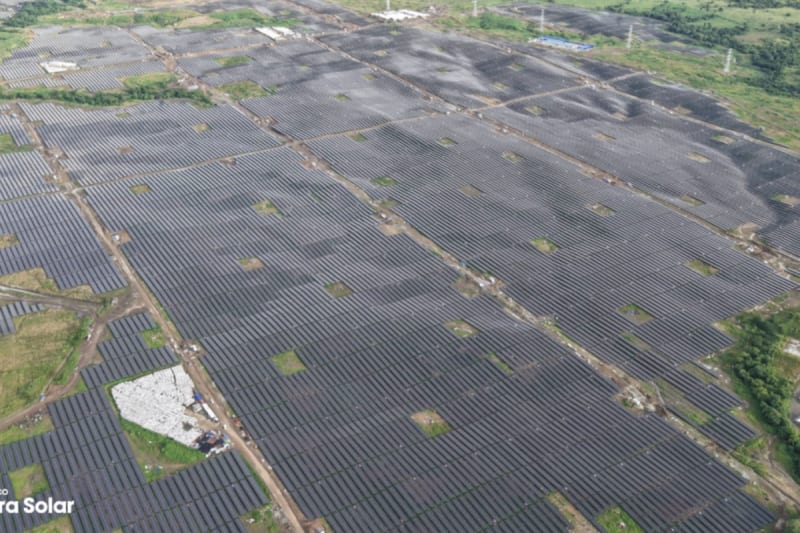
Officials designed the update to keep pace with the country's clean energy goals. Renewable sources are on track to provide roughly 30% of Dominican electricity by 2030, and these prosumer friendly rules help make that target realistic.
The digital shift matters too. Electric companies have 30 days to launch online monitoring platforms, letting homeowners track their energy production and consumption in real time. The entire application process moves online, making solar accessible to more people across the country's urban and rural areas.
The Ripple Effect
When one Caribbean nation modernizes its solar policy, neighboring islands take notice. The Dominican Republic's approach balances grid stability with homeowner rights, creating a model that other developing nations can adapt.
The regulations introduce a small network usage fee for new small projects to help maintain the electrical infrastructure everyone depends on. It's a practical compromise that keeps the system financially healthy while encouraging clean energy adoption.
Every home that goes solar reduces the country's dependence on imported fossil fuels and lowers electricity costs over time. As more Dominicans become energy producers instead of just consumers, they gain more control over their monthly bills and their environmental impact.
The Caribbean faces some of the world's steepest climate challenges, making this shift toward renewable energy both practical and urgent.
More Images
Based on reporting by PV Magazine
This story was written by BrightWire based on verified news reports.
Spread the positivity!
Share this good news with someone who needs it