Donors Raise $1 Billion in 2 Days for Global Nonprofits
Thirty-five major donor families just committed over $1 billion in two days to fund ambitious projects tackling homelessness, health care, and disease research. The Audacious Project brought them together to fund work that typically takes nonprofits years to raise money for.
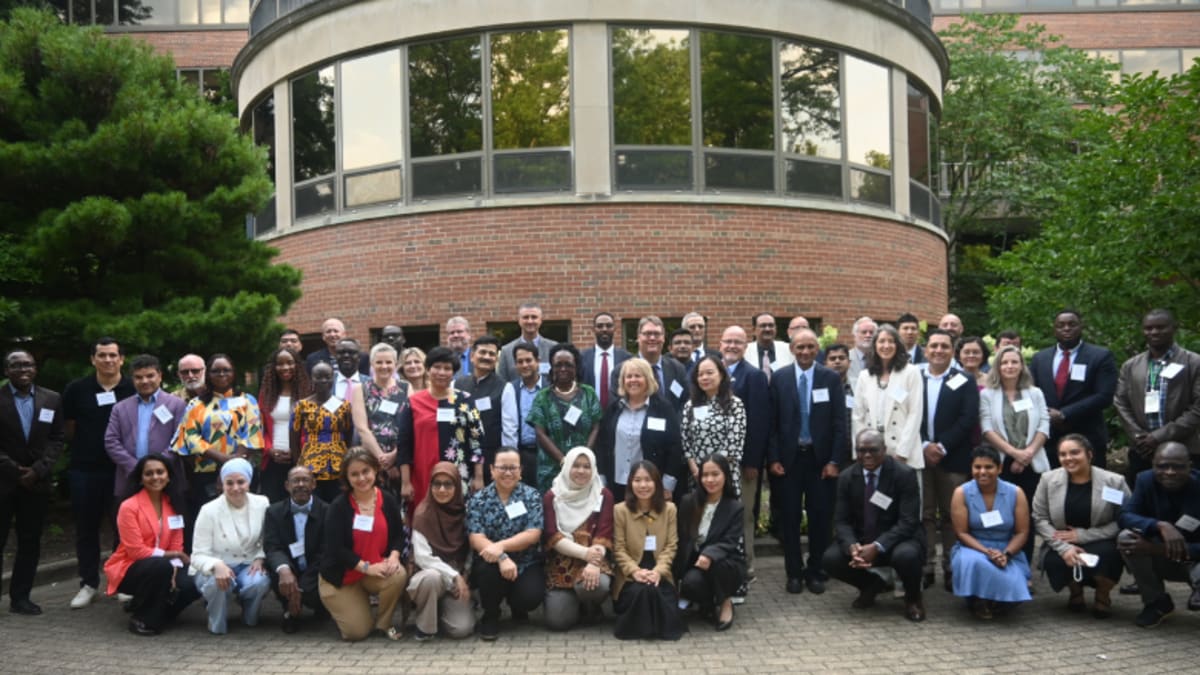
Imagine trying to fundraise $60 million for your nonprofit and being told you could get it all in a single weekend. That's exactly what happened to more than a dozen organizations when 35 major donor families gathered in California last October.
The Audacious Project, housed at TED, brought these philanthropists together and facilitated $1.03 billion in commitments over just two days. The funding will support ambitious, multi-year initiatives that tackle some of the world's toughest challenges.
"Nowhere that I know of can you raise a billion dollars in two days," said Connie Ballmer, cofounder of Ballmer Group. "Do you know how long that takes organizations to do that kind of fundraising?"
The winning nonprofits span diverse missions. Destination: Home, based in San Jose, will expand homeless prevention services to multiple U.S. cities by identifying at-risk families and giving them money and support before they lose housing. The Arc Institute in California received funding to build a virtual model of a cell that could help scientists identify treatments for Alzheimer's and other complex diseases.
In South Africa, Tiko will expand services for teenage girls, including contraception, HIV treatment, and responses to sexual violence. It was their third application to Audacious, showing the persistence needed to secure this kind of transformative funding.
The process is rigorous. Organizations spend over a year working with Audacious and consulting firm Bridgespan Group to sharpen their pitches. Finalists record something like a TED Talk to introduce their projects. Only when donors meet in person do they decide how much to give each group.
"Going through this process was probably one of the most rigorous things we've ever done," said Jennifer Loving, CEO of Destination: Home. "I can say with total confidence that it made us smarter."
For the first time this year, some organizations received second commitments. Last Mile Health, which initially received funding in 2018, grew from training 2,000 community health workers in Africa to 23,000. Their new $20 million grant will train more workers and help governments fund their own public health systems, especially crucial after recent U.S. foreign aid cuts.
The Ripple Effect
The collaborative model is changing how philanthropy works. Fifty-five major donor families have now participated across multiple funding rounds, with each required to commit at least $10 million. Many give more, inspired by watching others step up in the room.
Tegan Acton, who cofounded Wildcard Giving, said she values seeing solutions developed by people closest to the problems. Some donors arrive with binders full of notes and marked-up appendices, while others watch the video pitches and follow their instincts.
The approach means organizations can think bigger than typical grant cycles allow. Instead of expanding through new offices, Destination: Home will partner with local groups, bring them funding, and participate in research to assess real impact.
This model creates something rare in philanthropy: sustained momentum that doesn't cliff after the initial excitement fades.
Based on reporting by Fast Company
This story was written by BrightWire based on verified news reports.
Spread the positivity!
Share this good news with someone who needs it