Door-to-Door Moms Rebuild Vaccination Rates in Nigeria
In rural Nigeria, mothers are walking door to door to help families understand vaccines and overcome barriers to immunization. Their efforts are helping more children get life-saving shots, but funding challenges threaten the progress.
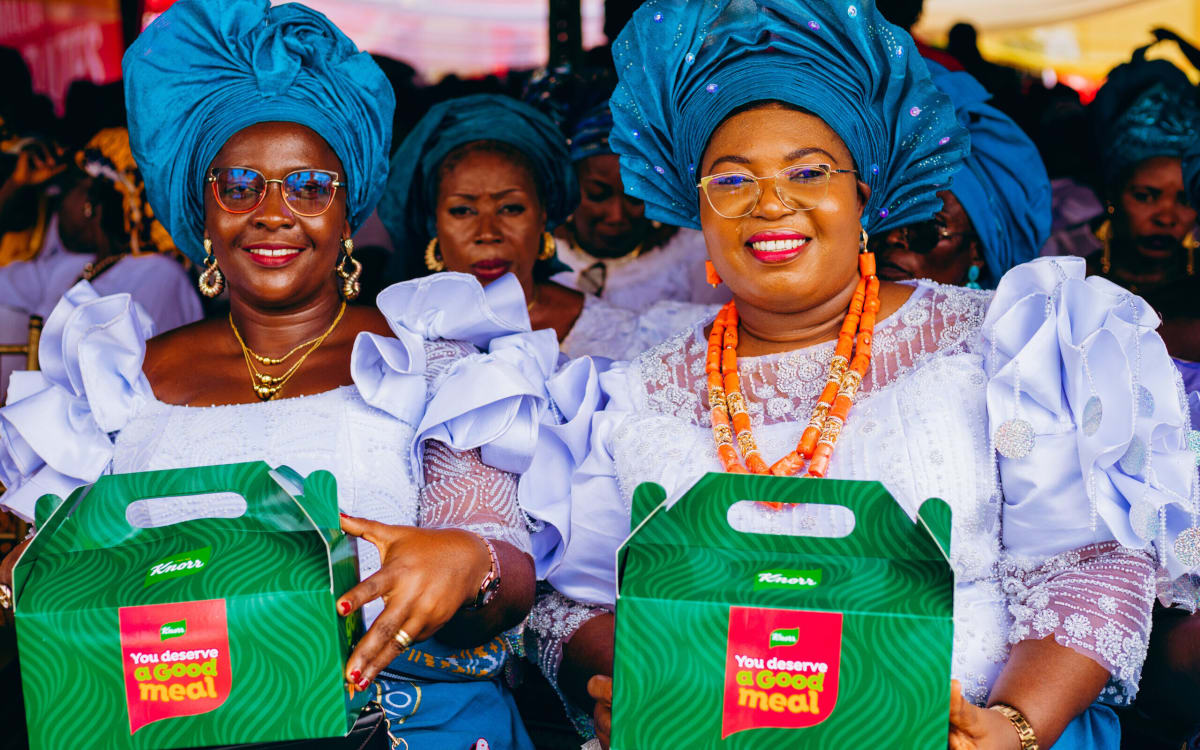
Rashida Abdullahi adjusts her veil and steps into another compound in rural Kebbi State, Nigeria, on a mission that changed her own life. Three times a week, she visits mothers to talk about vaccines, answer their questions, and help them navigate family decisions about immunizing their children.
Her work is deeply personal. In 2020, her husband refused to vaccinate their third child, who later became seriously ill and needed hospital care. When Rashida noticed that a neighbor's vaccinated child stayed healthy, something clicked. Community mobilizers came to her home with a simple flipbook explaining each vaccine, and her husband agreed to immunize their daughter.
Now Rashida is one of those mobilizers. She's one of thousands of Volunteer Community Mobilizers across Nigeria who go house to house, building trust and connecting families to health clinics. In a country where only 36% of children receive all recommended vaccines and 2.2 million get none at all, these conversations matter.
The approach tackles real barriers. Distance to clinics, transport costs, and time away from work keep many families from returning for follow-up doses. In many households, fathers or elders make the final decision, and vaccine rumors spread quickly. VCMs meet families where they are, literally at their doorsteps.
"If the mother agrees and the father refuses, I don't argue," Rashida explains. "I involve the community leader so we can discuss concerns calmly." Sometimes it takes more than one visit, but patience is paying off.
Traditional birth attendants now help notify health facilities when babies are born at home so newborns can be registered for vaccines. Mama-to-Mama groups organize women for peer learning and reminders. Health facilities that once sat empty now fill up on immunization days.
The Ripple Effect
The program created unexpected benefits beyond vaccination rates. Mama-to-Mama groups started contribution schemes where women pool weekly funds and take turns collecting to start small businesses. One woman used her share to rear cattle, eventually selling a cow for ₦500,000 (about $320 USD). The income gave women more confidence and a stronger voice in household decisions about their children's health.
Mothers started attending more antenatal care appointments. Community leaders began stepping in to help fathers understand vaccines. The shifts show how health interventions can strengthen women's agency in their communities.
But sustainability remains fragile. Mobilizers receive ₦20,000 monthly (about $13 USD), barely covering transport and time costs. When funding was cut in January 2025, many women reduced their visits because they couldn't afford to keep volunteering. Rashida, who has worked across three communities since 2020, explains that without support for transport and lost trading time, the work becomes impossible for mothers managing their own households.
Health officials are now trying to introduce the contribution system to mobilizers too, searching for ways to sustain the progress without external funding.
These mothers have proven that patient conversations can rebuild trust in vaccines, one doorstep at a time.
Based on reporting by AllAfrica - Health
This story was written by BrightWire based on verified news reports.
Spread the positivity!
Share this good news with someone who needs it