DR Congo Closes In on Ebola as Cases Drop 88%
The Democratic Republic of Congo is making real headway against a deadly Ebola outbreak, with suspected cases dropping from over 1,000 to just 116 in one week. Eight people have already recovered, proving survival is possible with quick treatment.
Health officials in the Democratic Republic of Congo are finally gaining ground against an Ebola outbreak that had a dangerous head start just weeks ago.
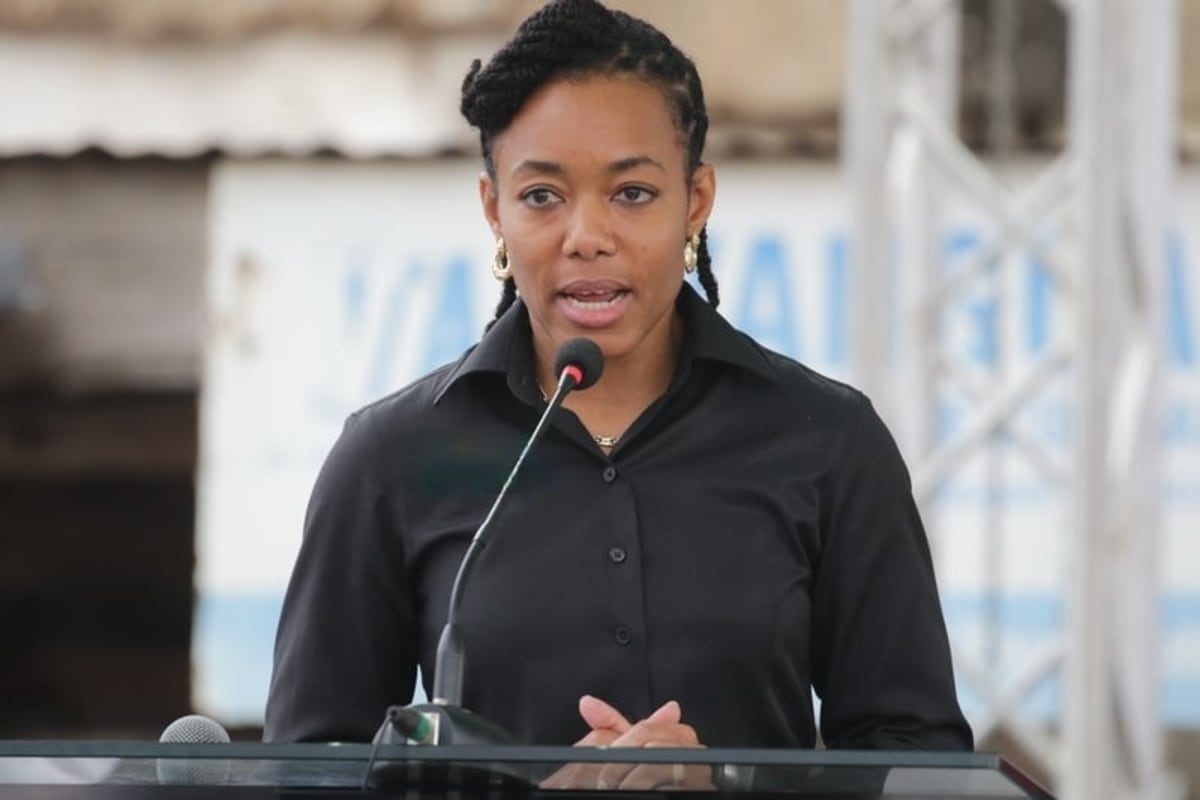
The World Health Organization's chief Tedros Adhanom Ghebreyesus returned from the DRC this week with encouraging news. Suspected cases plummeted 88% in just one week, dropping from over 1,000 to 116 as medical teams cleared through the testing backlog.
"What I saw gave me hope," Tedros told journalists in Geneva. "The outbreak had a big head start, and we're still behind, but under the leadership of the Government of DRC, we are catching up."
The outbreak hit the eastern province of Ituri particularly hard, spreading to neighboring North and South Kivu provinces and even crossing into Uganda. The rare Bundibugyo strain has confirmed 344 cases and caused 60 deaths so far.
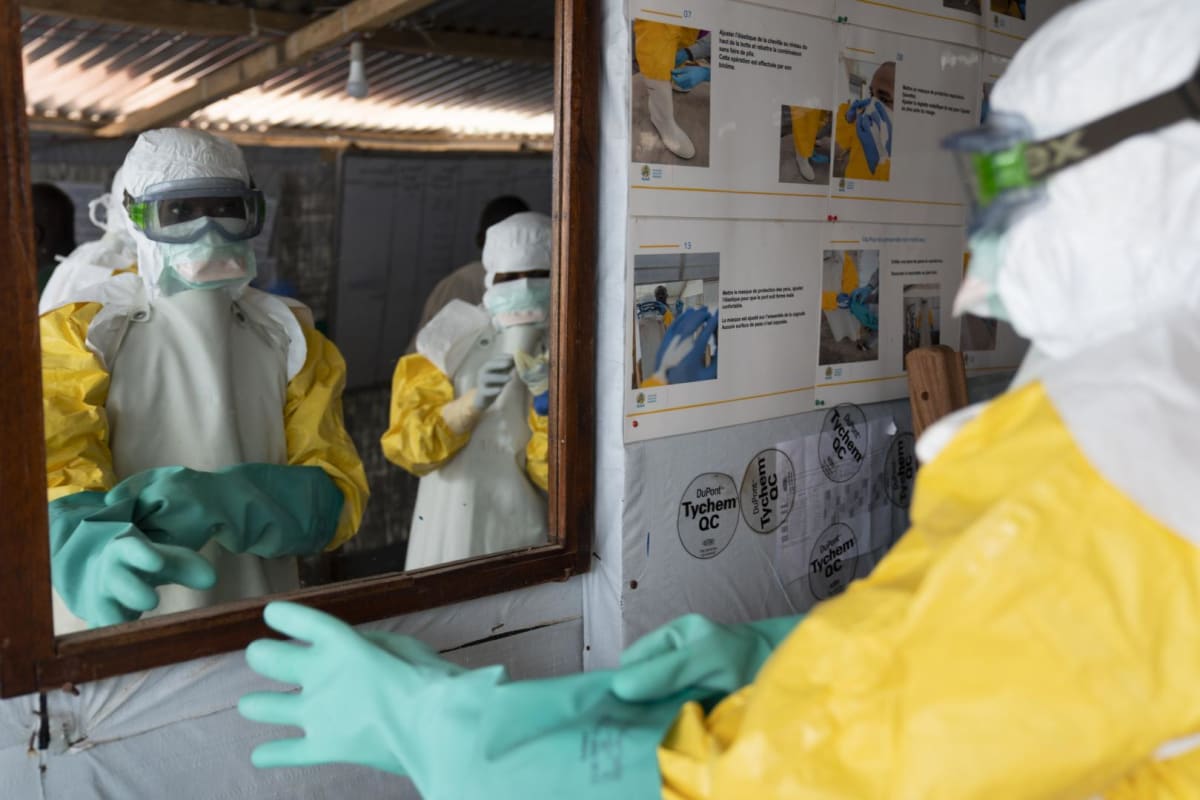
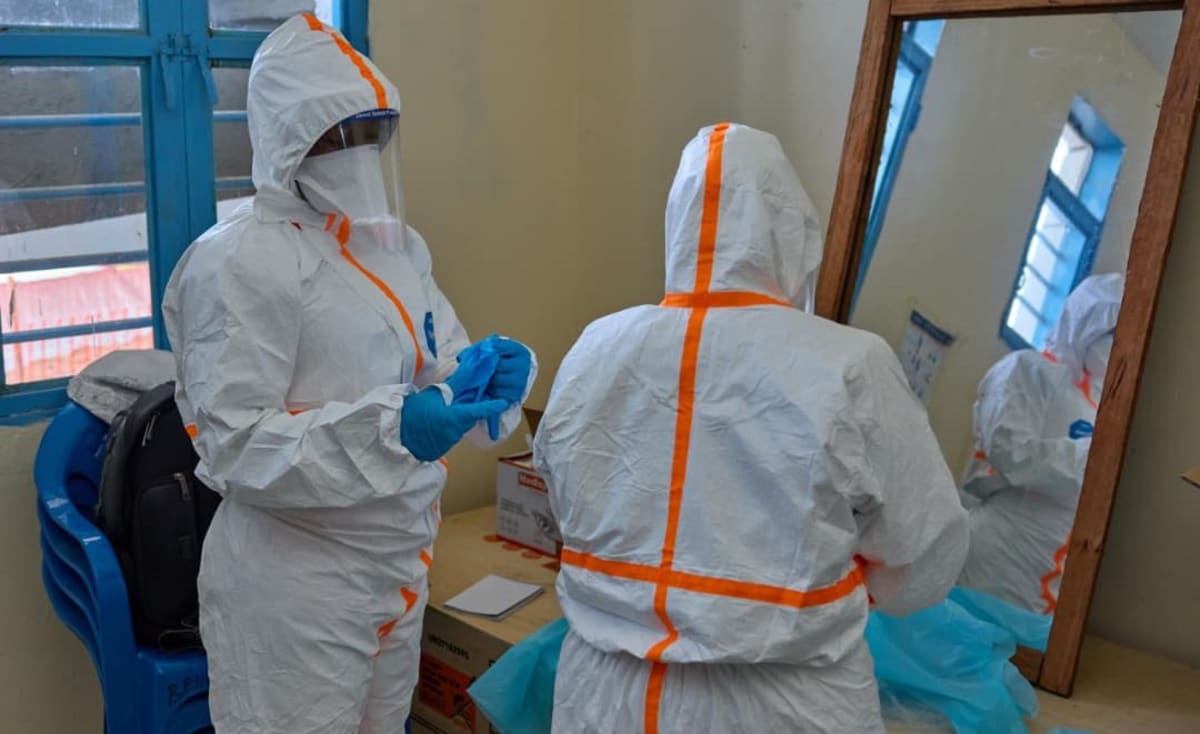
Three treatment centers now operate in Bunia, Ituri's capital, with 80 beds ready for patients. Five more regional treatment units have opened across affected areas, with additional facilities coming soon.
The progress comes despite massive challenges. Armed groups control parts of the outbreak zone, making contact tracing difficult. Healthcare workers struggle with insecurity, displaced populations, and other health threats like malaria competing for resources.
The Bright Side
Eight people have beaten Ebola and recovered, six in the DRC and two in Uganda. Their survival proves a crucial point: getting to a health facility quickly can mean the difference between life and death.
The DRC government is leading the response with determination, drawing on experience from 16 previous Ebola outbreaks. Treatment centers are expanding rapidly, and international partners are rushing to support clinical trials for vaccines and treatments.
Contact tracing remains the biggest hurdle. The follow-up rate sits at 45% but needs to reach over 90% to truly control spread. Medical teams are working to build trust with communities where some leaders still doubt Ebola exists.
WHO is pushing countries to lift blanket travel bans that disrupt supply chains, recommending airport screening instead. The global risk remains low while regional teams focus on containing spread.
Tedros emphasized that ending this outbreak is just the beginning. "If the people of Ituri survive Ebola only to die from malaria or malnutrition, we have not really helped them," he said, promising long-term support for healthcare infrastructure.
The dramatic drop in suspected cases shows that coordination, leadership, and community partnership can turn the tide against even the deadliest diseases.
Based on reporting by AllAfrica - Headlines
This story was written by BrightWire based on verified news reports.
Spread the positivity!
Share this good news with someone who needs it