DRC and M23 Rebels Agree to Protect Civilians in Peace Push
After years of conflict in eastern Congo, the government and M23 rebels just committed to protecting civilians and allowing aid through. The breakthrough came after five days of peace talks in Switzerland.
Millions of people caught in the crossfire of Congo's conflict just got a lifeline of hope.
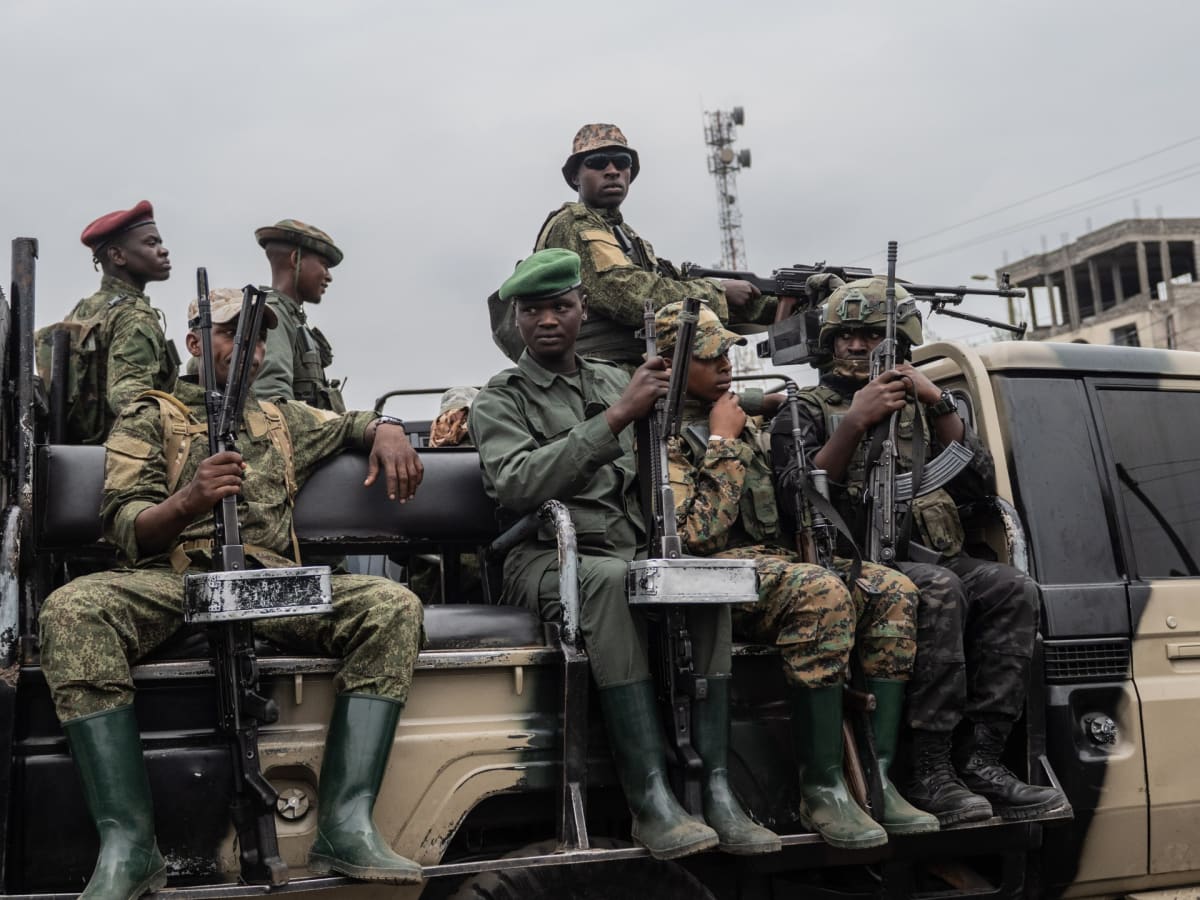
The Democratic Republic of the Congo government and M23 rebel group signed an agreement Saturday to protect civilians and allow humanitarian aid deliveries in the war-torn eastern region. The commitment came after five days of intense negotiations in Montreux, Switzerland, bringing fresh momentum to ending a conflict that has devastated communities since 2021.
"The parties agreed to refrain from any action that would undermine the principled delivery of humanitarian assistance," read the joint statement released by the US Department of State. Both sides also pledged to stop targeting civilians and ensure medical care reaches the wounded and sick.
The agreement includes concrete steps forward. Within 10 days, both parties will release prisoners as a confidence-building measure. They also signed a memorandum establishing a ceasefire monitoring system that will track compliance and report violations in real time.
The conflict has ravaged eastern Congo for over 30 years, but intensified in 2021 when M23 rebels, backed by Rwanda, began seizing territory. Despite a US-brokered peace deal signed in December, fighting has continued, most recently spreading to the South Kivu highlands.
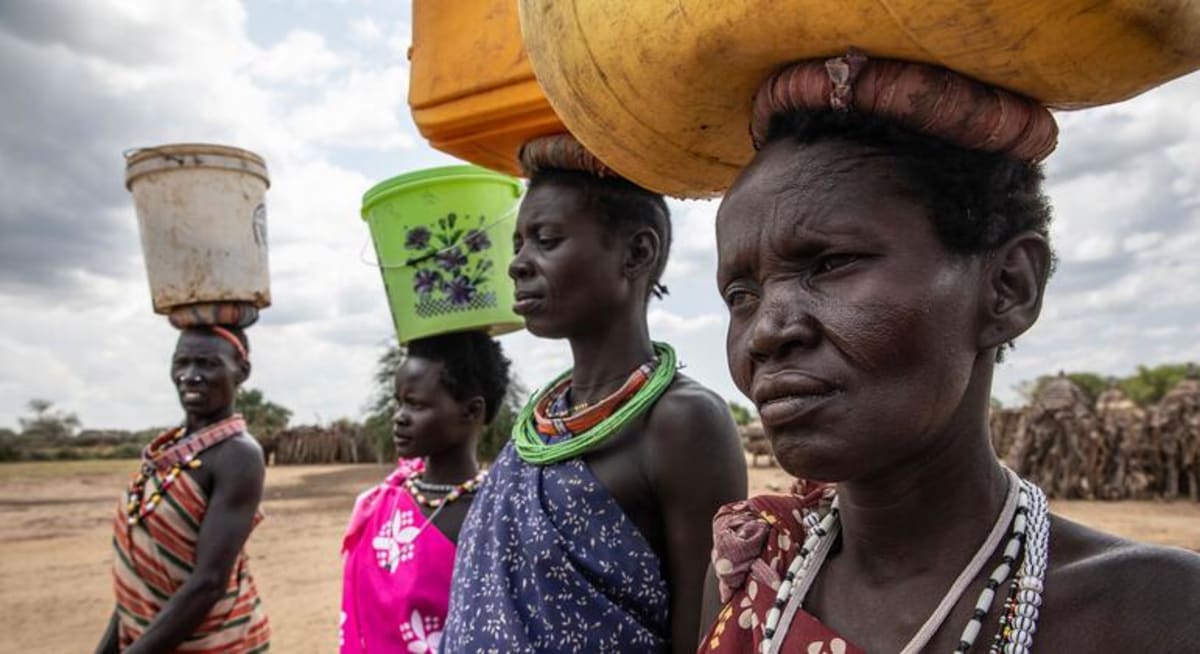
The human cost has been staggering. Civilians have faced blocked aid deliveries and been prevented from fleeing violence, according to Human Rights Watch. "Civilians in South Kivu's highlands are facing a dire humanitarian crisis and live in fear of abuses by all parties," said Clementine de Montjoye, a senior researcher at the organization.
The Ripple Effect
This agreement could transform life for countless families trapped by violence. When aid flows freely, children get nutrition. When medical care reaches the wounded, lives are saved. When prisoners return home, families reunite.
The talks brought together heavy hitters committed to lasting peace. Representatives from Qatar, the United States, Switzerland, the African Union Commission, and Togo worked alongside both parties to hammer out the details.
The monitoring mechanism represents something crucial that previous peace deals lacked: accountability. Independent observers will verify compliance, making it harder for either side to break promises without consequences.
For communities who have known nothing but war for three decades, this agreement offers something precious and fragile: hope that tomorrow might be safer than today.
Based on reporting by Al Jazeera English
This story was written by BrightWire based on verified news reports.
Spread the positivity!
Share this good news with someone who needs it