%2Ffile%2Fattachments%2Forphans%2F809786_505140.jpg)
DRC Community Workers Battle Ebola Door-to-Door
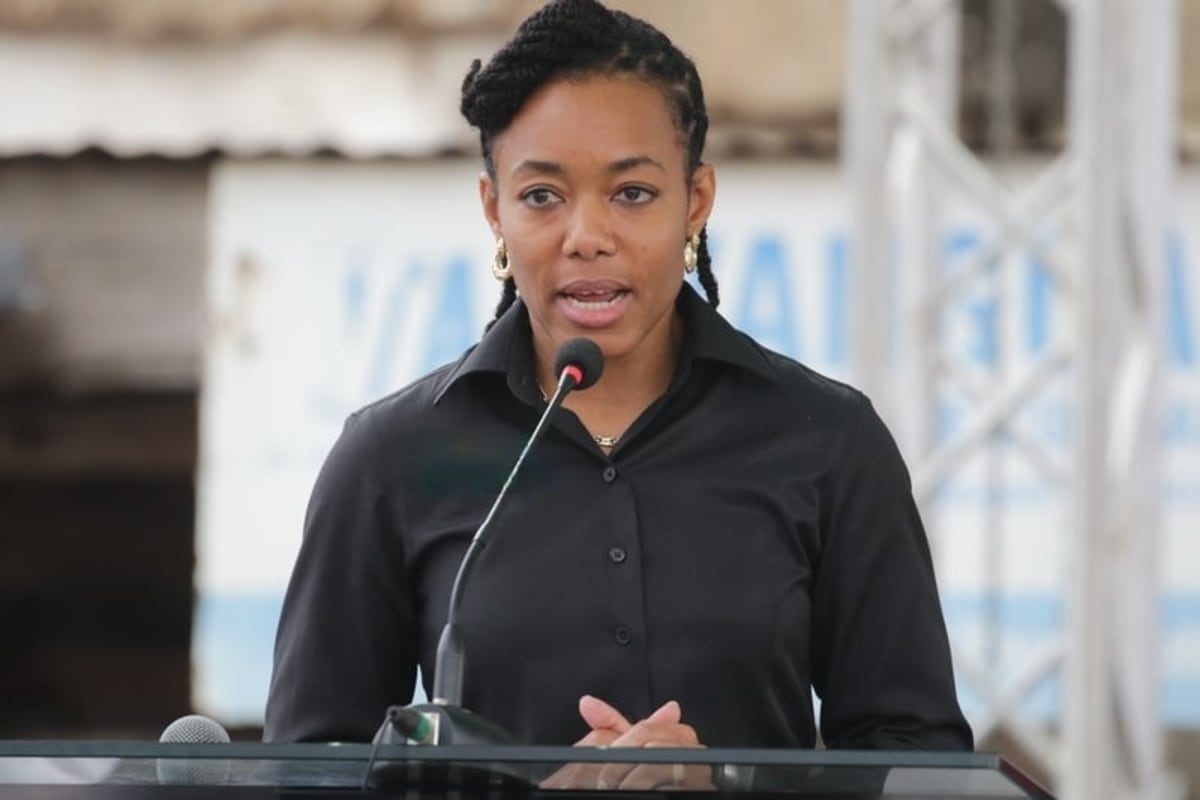
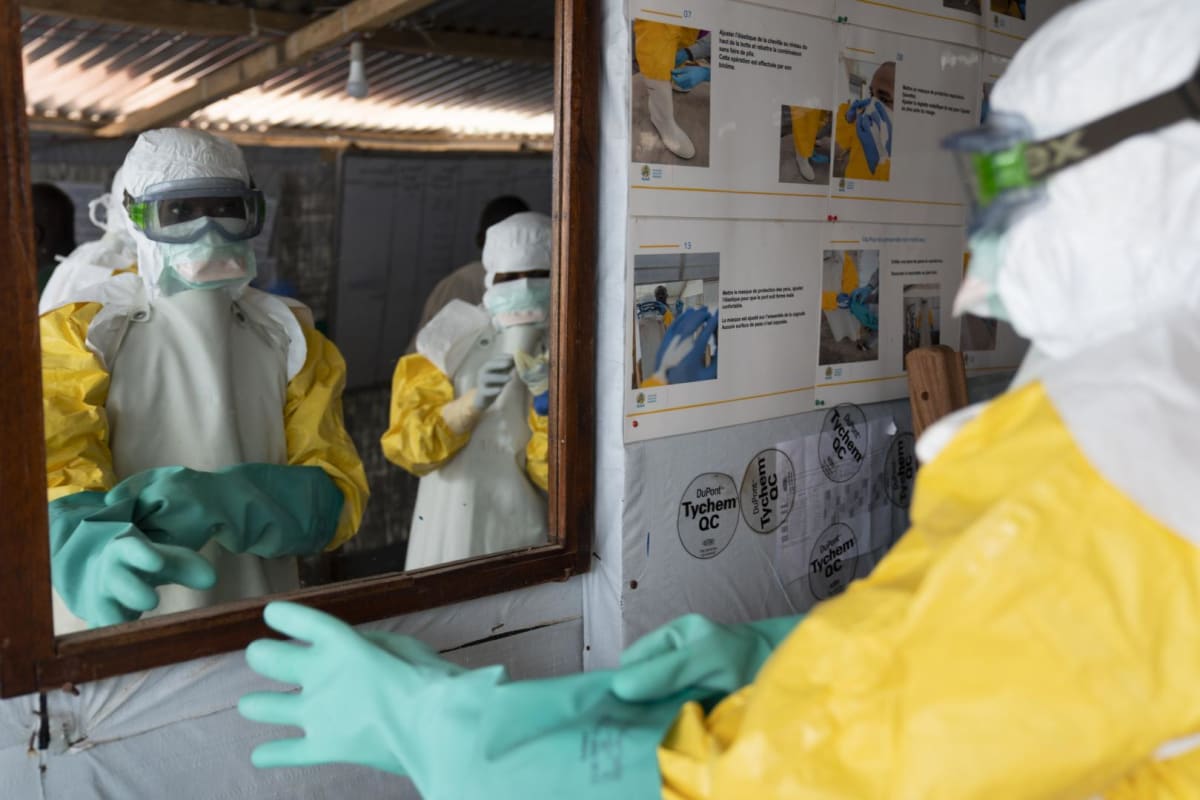
In northeastern Congo, hundreds of local health workers are fighting the deadly Ebola outbreak one conversation at a time, armed with megaphones and courage instead of vaccines. Their work is proving that trust can be just as powerful as medicine in stopping a deadly virus.
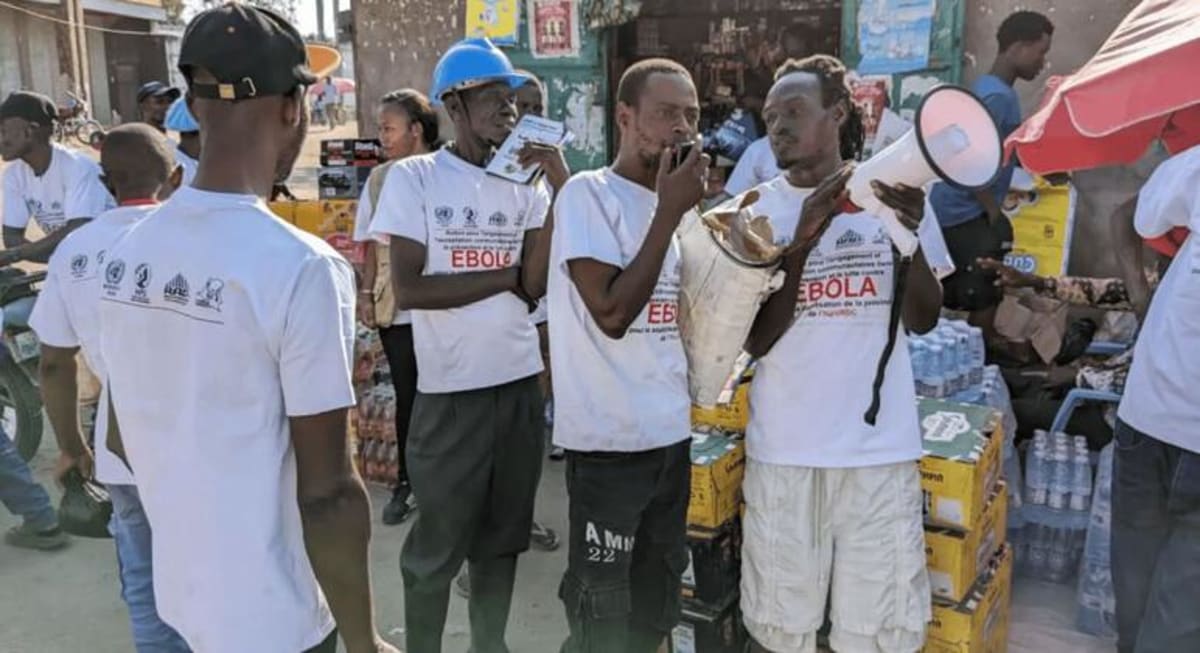
Aristote Banga wakes before sunrise most mornings, grabbing his megaphone before heading into the streets of Bunia, a city of five million in northeastern Democratic Republic of Congo. His mission is simple but critical: convince his neighbors that Ebola is real and treatment can save lives.
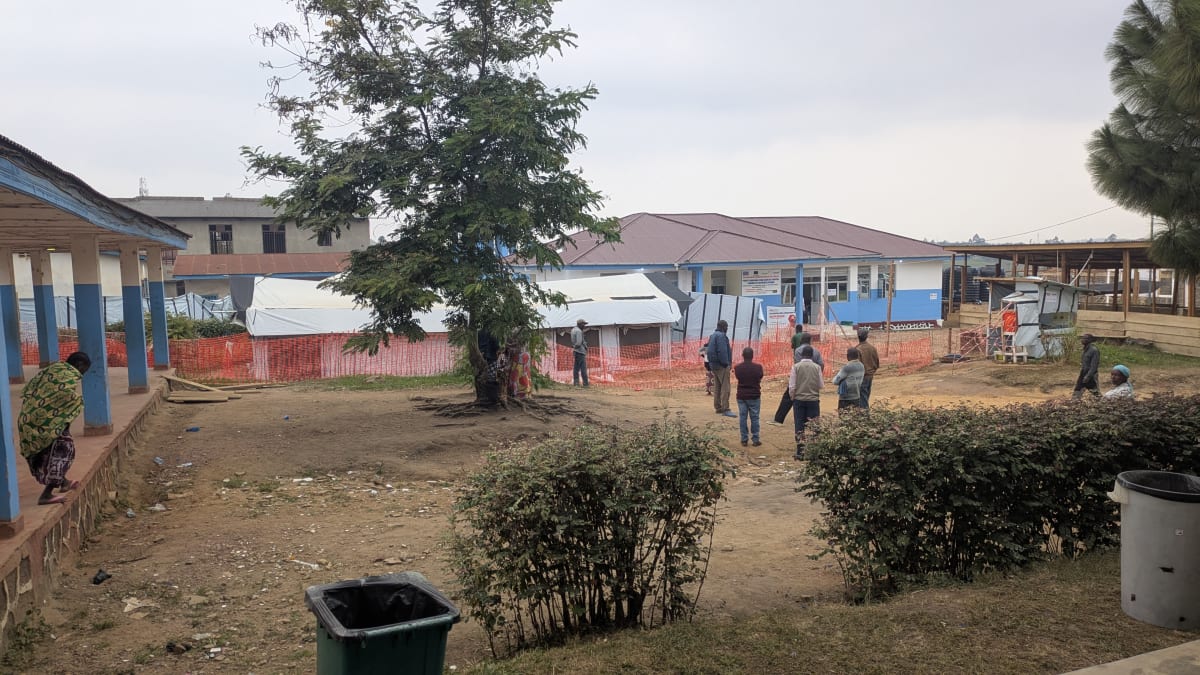
Since the World Health Organization declared an international health emergency in May 2026, this new strain of Ebola has infected over 1,400 people in the DRC, killing nearly 440. But unlike previous outbreaks, there's no vaccine for the Bundibugyo strain spreading through Ituri province.
That makes Aristote and hundreds of community health workers like him the front line of defense. They walk house to house, visit markets and places of worship, explaining how the virus spreads and why getting sick relatives to treatment centers quickly saves lives.
The hardest part isn't the long hours or early mornings. It's fighting the rumors that spread faster than the virus itself.
"Some people ask us whether Ebola really exists," Aristote explains. "Others believe that once a patient is taken to a treatment center, they never come back." Many residents think the whole outbreak is invented to attract international funding.
Religious leaders have joined the fight. Sheikh Shukrani Byaruma, an imam in Ituri province, now receives special training from health authorities to share accurate information with his community. His voice carries weight where government officials might face suspicion.
"Our mission is to show the faithful that Ebola is a very real disease," Shukrani says. He encourages people to visit health facilities quickly if they develop symptoms and avoid contact with the sick or deceased.
The Ripple Effect
The success of these local workers extends far beyond individual conversations. By working through existing community structures rather than creating parallel emergency systems, health officials are building trust that will outlast this outbreak.
Nearly 210 people have already recovered from this Ebola strain, proof that early treatment works. Each recovery story becomes a powerful tool for community workers like Aristote, helping them counter fear with hope and rumors with facts.
"People need to understand that Ebola exists and everyone must play their part to stop this epidemic," Aristote says. Despite the resistance, he remains determined to reach every door, every market stall, every gathering place where lives can be saved through truth and trust.
His persistence reminds us that sometimes the most powerful medicine comes not in a syringe, but through the courage of neighbors who refuse to give up on each other.
More Images
%2Ffile%2Fattachments%2Forphans%2F807993_159953.jpg)
%2Ffile%2Fattachments%2Forphans%2F809803_556087.jpg)
%2Ffile%2Fattachments%2Forphans%2F809802_741033.jpg)
Based on reporting by Daily Maverick
This story was written by BrightWire based on verified news reports.
Spread the positivity!
Share this good news with someone who needs it