Drone Tags Rare Whale, Reveals New Migration Highway
Scientists in Indonesia used a drone to tag an endangered pygmy blue whale for the first time, revealing a previously unknown migration path between Indonesia and Australia. The breakthrough method is safer for whales and could transform how we protect these ocean giants.
📺 Watch the full story above
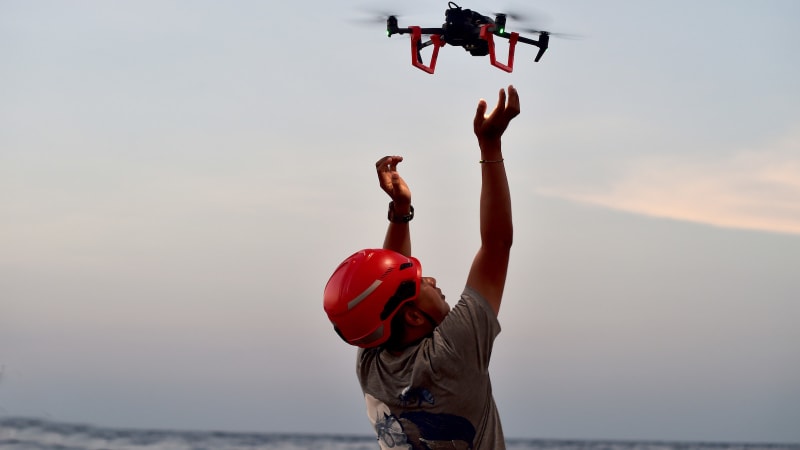
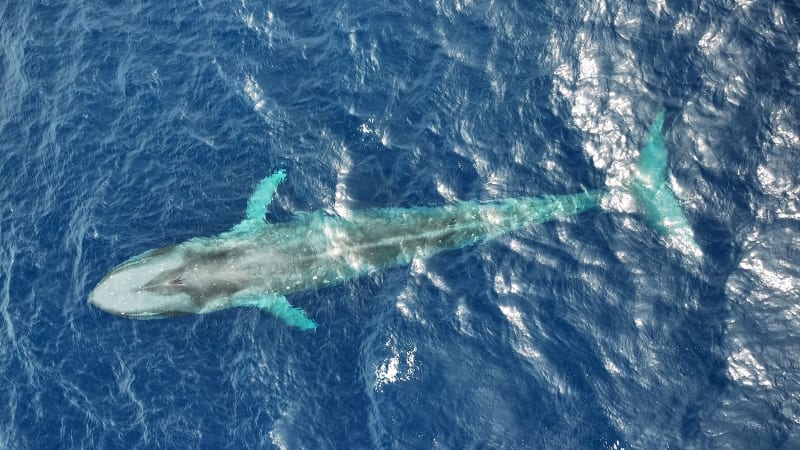
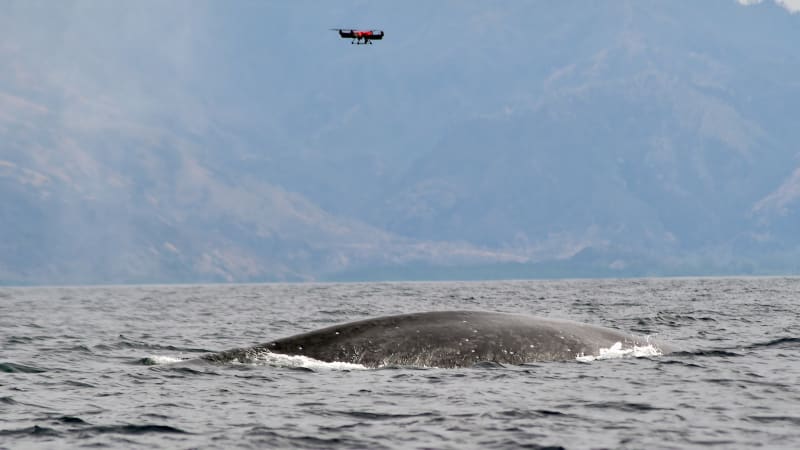
After nine failed attempts and six hours of tracking, Indonesian scientists finally landed a satellite tag on an endangered pygmy blue whale using a drone hovering 1,000 feet above the ocean. What happened next rewrote the map of how these mysterious giants travel the seas.
The tag revealed something stunning: a previously undocumented migration route between Indonesia and the west coast of Australia. For years, scientists knew pygmy blue whales made this journey, but the exact path remained a mystery until October 2025.
A team of 20 researchers from Konservasi Indonesia and partner organizations spent two weeks in the Lesser Sunda seascape, part of the Coral Triangle. They were testing whether drones could do what small boats with long poles or air guns had barely managed before: safely attach tracking tags to the world's largest animals.
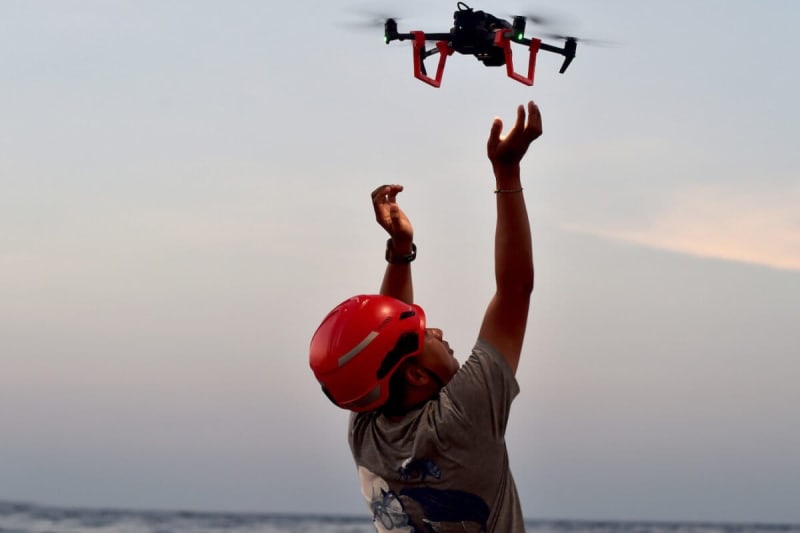
The drone tagging method keeps researchers up to 1,000 feet away instead of just 33 feet. One expert compared the tag's attachment to a bee sting for the whale, far less stressful than traditional methods requiring close boat approaches.
But landing the tag wasn't easy. For two days, the team saw only seabirds. On day three, they found the whales but faced a brutal challenge: 20 minutes of battery life, unpredictable wind, and a moving target the size of a school bus.
Oceanologist Mochamad Iqbal Herwata explained the precision required. "After the blow, we have a two-second chance to release the trigger before the whale goes below the water."
Each tag costs $5,500, and the team only had four. The pressure was intense as tags splashed into empty water, attempt after attempt.
On October 13, attempt number ten succeeded. The celebration was instant and the data invaluable.
The Ripple Effect
The tag's 10 days of data showed the whale swimming through busy shipping lanes and seaweed farms, highlighting collision risks that conservationists can now address. In December 2025, Indonesia created a new 325,000 hectare marine protected area in the West Wetar region, covering part of this critical migration corridor.
The breakthrough extends beyond one whale. A team from neighboring Timor-Leste will now use the same drone protocol in their waters, expanding protection efforts across borders.
Pygmy blue whales face ship strikes, ocean noise pollution, and rising sea temperatures. Understanding their migration paths means shipping lanes can be adjusted and protected zones can be placed where they matter most.
Cetologist Putu Liza Mustika, who joined the expedition, noted the tradeoff: drone tags are gentler but detach sooner than air gun tags. Still, she confirmed the drone method is "much less intrusive."
The success proves that protecting ocean giants doesn't require disturbing them, just patient scientists, precise technology, and the determination to try ten times.
More Images

Based on reporting by Mongabay
This story was written by BrightWire based on verified news reports.
Spread the positivity!
Share this good news with someone who needs it