Drones Deliver Medicine to Remote Nigerian Communities
Cross River State in Nigeria is using drone technology to bring lifesaving medicines and vaccines to hundreds of remote communities cut off by rivers and mountains. The innovative program has already slashed delivery times and reduced counterfeit drug circulation.
Reaching a sick child in a remote mountain village used to take hours by road in Cross River State, Nigeria. Now it takes minutes by air.
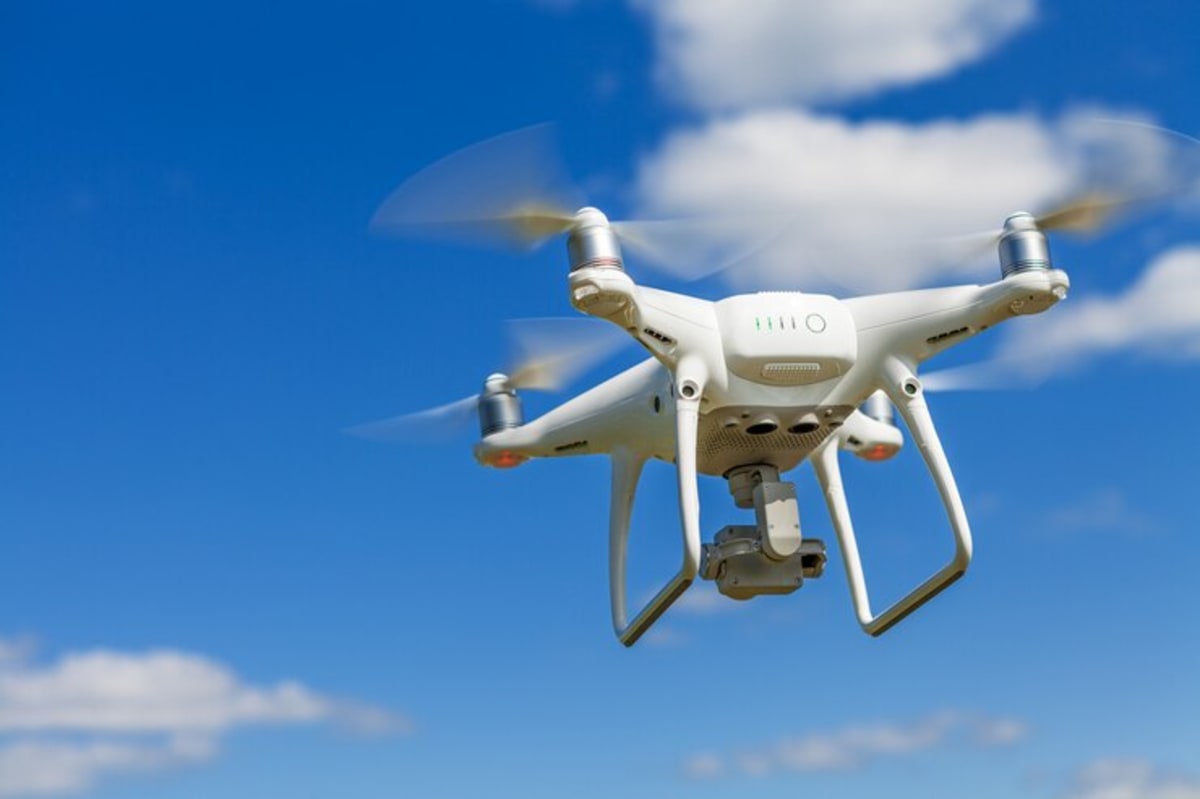
The state has partnered with drone delivery company Zipline to transform how medicines reach its most isolated communities. Over 300 health facilities across riverine areas and mountainous terrain now receive essential supplies by drone, bypassing roads that flood or simply don't exist.
Health Commissioner Henry Ayuk says the program has revolutionized healthcare access in places that once waited days for critical supplies. Vaccines stay cold during quick flights. Emergency medicines arrive before conditions worsen. Remote clinics no longer run out of essential drugs.
The drones have solved more than just distance problems. They've dramatically cut medicine waste since supplies arrive exactly when needed instead of sitting unused. Even better, the direct delivery system has helped eliminate counterfeit medications that once flooded remote areas, making treatments safer and more reliable.
Cross River joins Kaduna and Bayelsa states in using Zipline's technology, creating a growing network of aerial health infrastructure across Nigeria. The innovation particularly helps expand immunization coverage, reaching children in villages that traditional health workers struggled to access regularly.
The Ripple Effect
The drone program launched alongside broader healthcare improvements across Cross River's 18 local government areas. The state is upgrading 100 primary healthcare centers, with many renovations already complete and others nearing completion.
Governor Bassey Otu's administration has also created dedicated facilities specifically for elderly residents over 65, children under five, and pregnant women. Three local government areas already have these specialized clinics operating, with plans to expand them statewide so vulnerable populations get focused medical attention.
The healthcare push includes stronger disease prevention efforts too. Public health education campaigns and rapid surveillance systems have reduced outbreak frequency across communities. When cases do appear, authorities respond quickly with containment measures informed by better monitoring.
For communities that once felt forgotten, the whir of delivery drones overhead signals something powerful: their health matters just as much as anyone in the capital city, and technology is finally making that equality real.
More Images



Based on reporting by Premium Times Nigeria
This story was written by BrightWire based on verified news reports.
Spread the positivity!
Share this good news with someone who needs it