Drug-Free Sprinter Wins 'Enhanced Games' Against Doped Athletes
Olympic medalist Fred Kerley beat performance-enhanced competitors without using drugs at the controversial Enhanced Games. His victory sends a powerful message about hard work in an era obsessed with shortcuts.
Olympic medalist Fred Kerley just proved that hard work beats shortcuts, even when those shortcuts are literally performance-enhancing drugs.
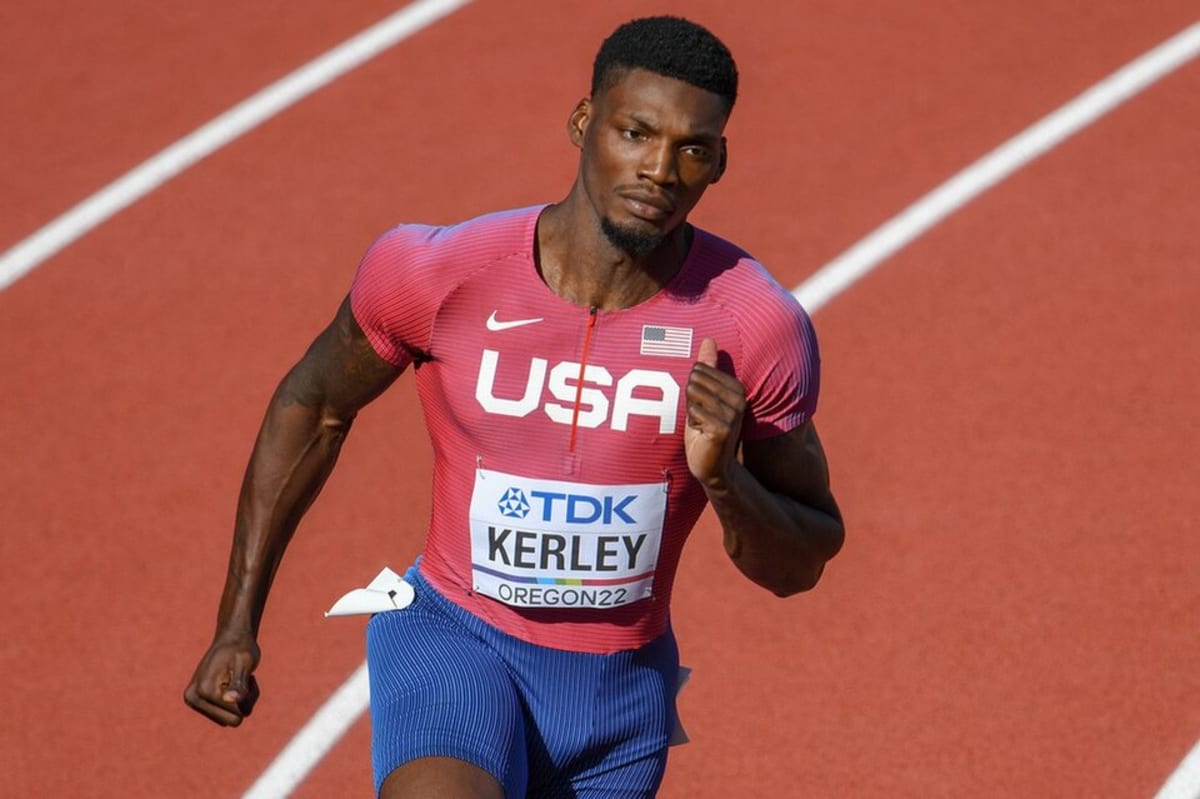
The sprinter won the men's 100-meter dash at the controversial "Enhanced Games" in Las Vegas without using any performance enhancers. He beat several athletes who had chosen to compete while using drugs that would normally get them banned from competition.
The Enhanced Games launched in May 2025 with a bold promise: athletes could use any performance-enhancing drugs they wanted, and the world would witness history-shattering records. Organizers secured major funding from CEOs and investors who wanted to test the limits of human performance without anti-doping restrictions.
World athletics organizations weren't having it. The World Anti-Doping Agency called the concept "dangerous and irresponsible," and World Aquatics banned any participant from future sanctioned competitions.
The results were underwhelming. Organizers predicted multiple world records would fall across swimming, weightlifting, and sprinting events. Only one record was technically broken (men's 50-meter freestyle), and it came with an asterisk because the swimmer wore an illegal super-buoyant suit.
Kerley saw an opportunity to make a statement. The Team USA sprinter chose to compete completely clean against enhanced athletes, and he dominated the field.
"I don't need [drugs]," Kerley said before the race. "God gave me fast feet for a reason. I'm here to showcase my talent. You still have to work. Drugs aren't going to give you an advantage if you're not putting the work in."
He backed up his words with a decisive victory. After crossing the finish line, Kerley had some choice words for his chemically-enhanced competitors: "They gotta do better than that. They need to train a little harder."
The women's 100-meter sprint told the same story. Tristan Evelyn, a 24-year-old sprinter from Barbados, also competed drug-free and won her race handily.
Why This Inspires
Kerley's victory cuts through the noise in a world obsessed with finding easier paths. AI promises to do our creative work with a single click. Apps eliminate every bit of friction from daily life. The constant message is that shortcuts are smart and effort is outdated.
But Kerley proved something essential: greatness still requires work. His enhanced competitors had chemical advantages and still couldn't match an athlete who dedicated himself to relentless training and preparation.
The Enhanced Games promised viewers the absolute limits of human achievement. Instead, they got suspended athletes, retired runners, and mid-tier professionals who thought drugs could replace dedication.
Hard work won the day, proving some truths never change no matter how much we try to hack our way around them.
More Images


Based on reporting by Upworthy
This story was written by BrightWire based on verified news reports.
Spread the positivity!
Share this good news with someone who needs it