Dubai Museum to House Genetic Samples from 10,000 Species
A biotechnology company is building the world's first public genetic vault inside Dubai's Museum of the Future, storing samples from thousands of endangered species. The facility will prioritize the planet's 100 most threatened animals and serve as a backup plan for life on Earth.
Scientists are building a modern Noah's Ark in the heart of Dubai, and this time it's designed to save genetic blueprints instead of animals themselves.
Colossal Biosciences announced plans to break ground on the Colossal BioVault, a massive cryopreservation facility that will eventually store frozen samples from up to 10,000 species. The nine-figure project will be housed inside Dubai's Museum of the Future, making it the first facility where the public can watch real-time conservation work happening behind glass.
The timing couldn't be more critical. More than one million species currently face extinction, and scientists estimate that animals are disappearing at a rate 100 to 1,000 times faster than the natural background rate throughout Earth's history.
The vault will initially focus on the world's 100 most imperiled species. Researchers will collect and freeze genetic material that could someday help restore populations or even bring back lost species entirely.
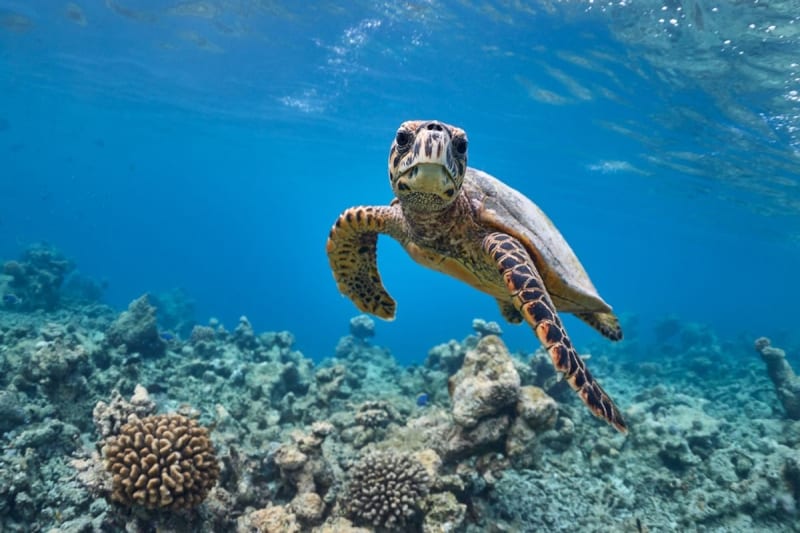
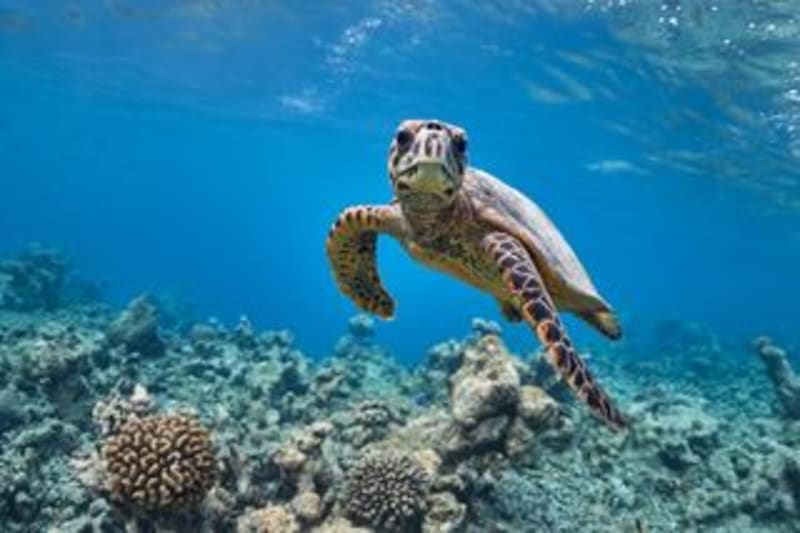
One urgent case hits close to home for the UAE facility. Hawksbill sea turtles nest along Persian Gulf beaches, but climate change is threatening their survival in an unexpected way. When turtle eggs incubate above 88.8 degrees Fahrenheit, all the hatchlings emerge as females. Rising temperatures could eventually create all-female populations with no hope of natural reproduction.
A 2026 study of 17 hawksbills from Iranian nesting islands found alarmingly low genetic diversity. The researchers warned that losing even one nesting site could wipe out an entire genetic lineage forever.
The Ripple Effect
The Dubai vault represents just the beginning of a global network. Colossal plans to establish additional BioVaults across multiple countries, creating a distributed backup system for Earth's genetic diversity.
Similar efforts are already underway elsewhere. Conservation nonprofit Revive & Restore partnered with the U.S. Fish and Wildlife Service in 2023 to biobank endangered American species. They've already cryopreserved samples from Mexican wolves, Sonoran pronghorns, Florida bonneted bats, and Preble's meadow jumping mice.
The Dubai facility breaks new ground by inviting citizen scientists to witness the work firsthand. Museum visitors will watch researchers collect, process, and freeze genetic material in what Colossal calls a "living laboratory."
What makes this moment special isn't just the technology but the global commitment it represents: a promise that we're not giving up on the species we share this planet with.
More Images

Based on reporting by Google: species saved endangered
This story was written by BrightWire based on verified news reports.
Spread the positivity!
Share this good news with someone who needs it