Dubai Opens $99M DNA Vault for 10,000 Endangered Species
A futuristic vault in Dubai's Museum of the Future will freeze DNA from Earth's most endangered animals, creating a backup plan for life as extinction rates accelerate. The project starts with 100 critically endangered species and will eventually house samples from over 10,000 species.
Scientists just opened a high-tech Noah's Ark in one of the world's most futuristic buildings, and it could be our best backup plan for saving life on Earth.
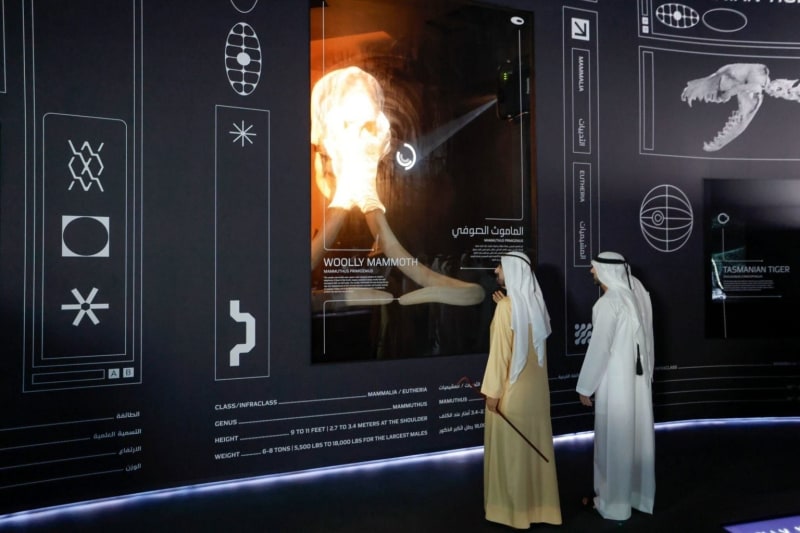
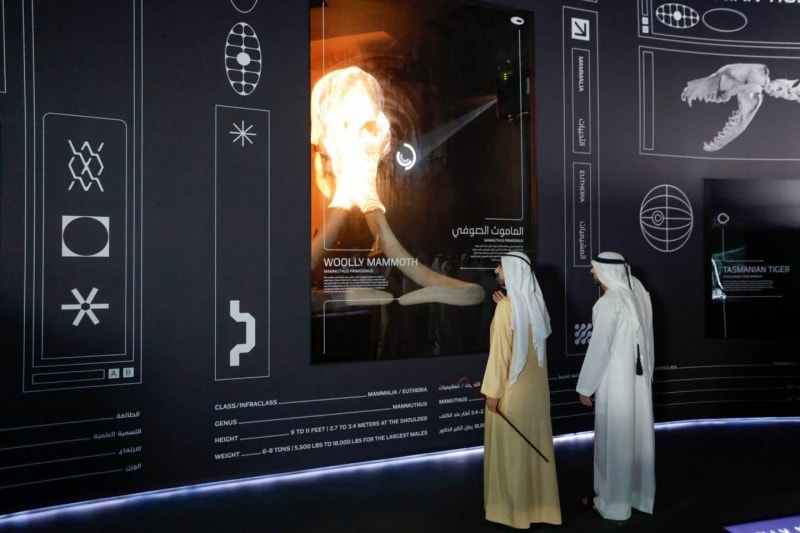
The Colossal BioVault launched this week inside Dubai's Museum of the Future, combining cutting-edge robotics and artificial intelligence with cryogenic freezers to preserve DNA from endangered species. The facility received $99 million from the United Arab Emirates to kickstart what will become a global network of genetic vaults.
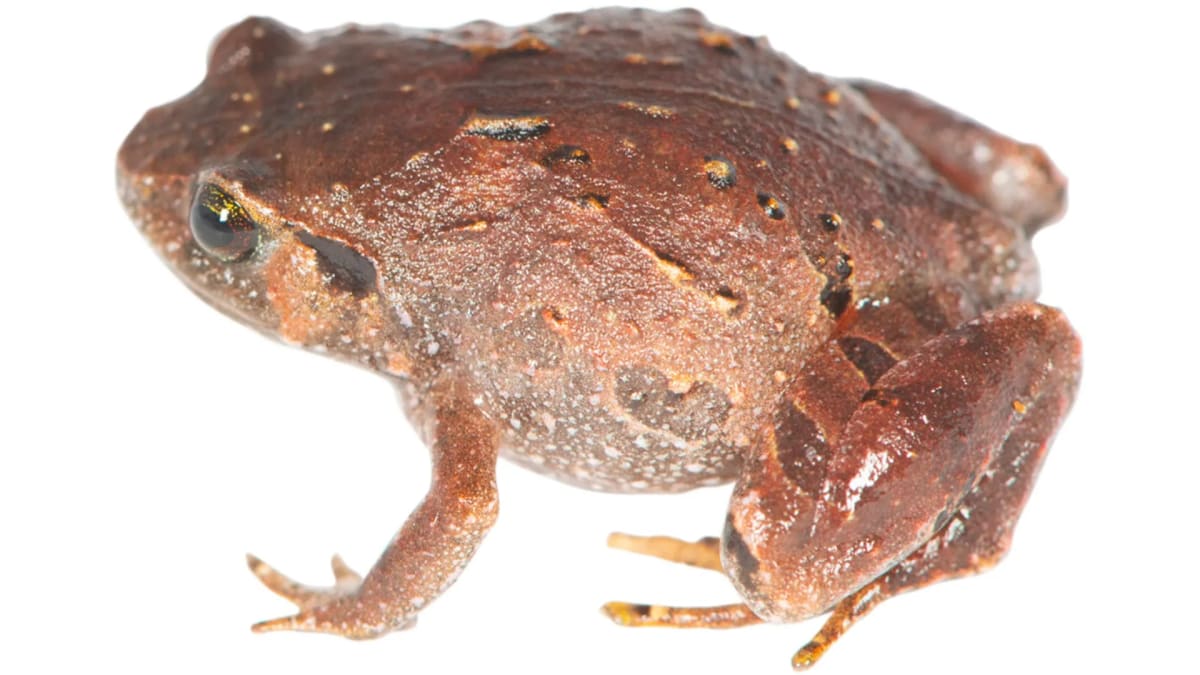
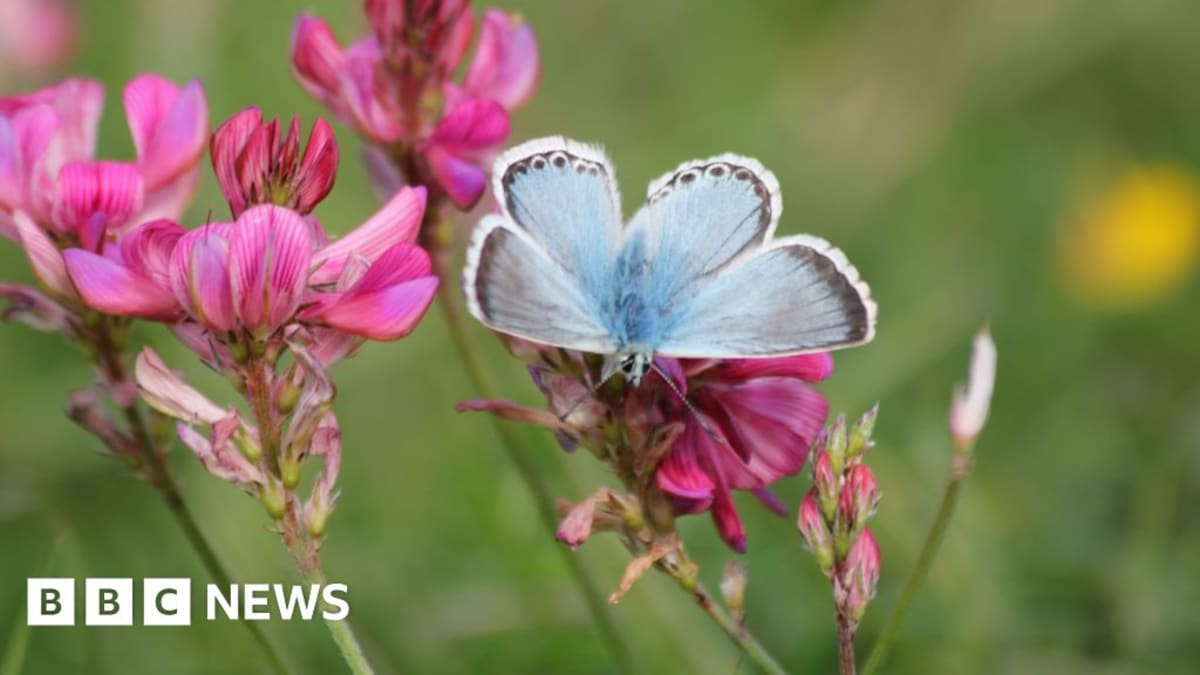
The project couldn't come at a more critical time. Scientists warn that nearly half of Earth's species could vanish by 2050 due to habitat loss, climate change, and human activity. Current conservation efforts simply can't keep pace with how fast animals are disappearing.
The vault will start by collecting and freezing DNA samples from 100 of the world's most critically endangered species. Over time, that collection will grow to more than one million samples representing over 10,000 different species. Each species will have multiple samples preserved to maintain genetic diversity, giving future scientists the best possible material for conservation breeding programs.
Ben Lamm, CEO of Colossal Biosciences, says the need is urgent. "We're losing species at an alarming rate, and the world is in urgent need of a distributed network of global BioVaults as a true backup plan for life on Earth," he explained.
What makes this project special is its open science approach. All genetic data collected will be made publicly available to researchers worldwide. Most biobanks today operate in isolation with limited funding, but the Dubai vault aims to spark global collaboration on biodiversity research.
Visitors to the Museum of the Future can watch scientists work in real time as they receive tissue samples, sequence DNA, and freeze cell lines at ultra-cold temperatures. This transparency turns conservation into a public experience, letting people witness exactly how science protects Earth's incredible variety of life.
The Ripple Effect
The vault represents far more than frozen samples in a high-tech facility. It's creating a new model for how the world protects biodiversity through international cooperation and shared data.
The UAE's investment of $159 million total (including $60 million directly into Colossal Biosciences) shows how emerging nations are stepping up as environmental leaders. That funding brought Colossal's total raised to $615 million, proving that extinction prevention is attracting serious resources.
The Museum of the Future's executive director, Majed Al Mansoori, sees the project as proof that science and technology can address humanity's biggest challenges. The first year will focus on extensive fieldwork to collect samples and establish protocols that other vaults worldwide can follow.
By making genetic preservation visible and collaborative, the BioVault is turning conservation from a behind-the-scenes effort into a global movement anyone can understand and support.
This modern Noah's Ark gives us something precious: hope backed by science that future generations won't inherit an empty planet.
More Images


Based on reporting by Google: species saved endangered
This story was written by BrightWire based on verified news reports.
Spread the positivity!
Share this good news with someone who needs it