Duke MBA Students Choose AI Over Teamwork, Then Learn Better
When AI tools arrived, over half of Duke MBA students ditched their teams to work solo. Their professor found a smarter way to use technology that actually strengthened collaboration.
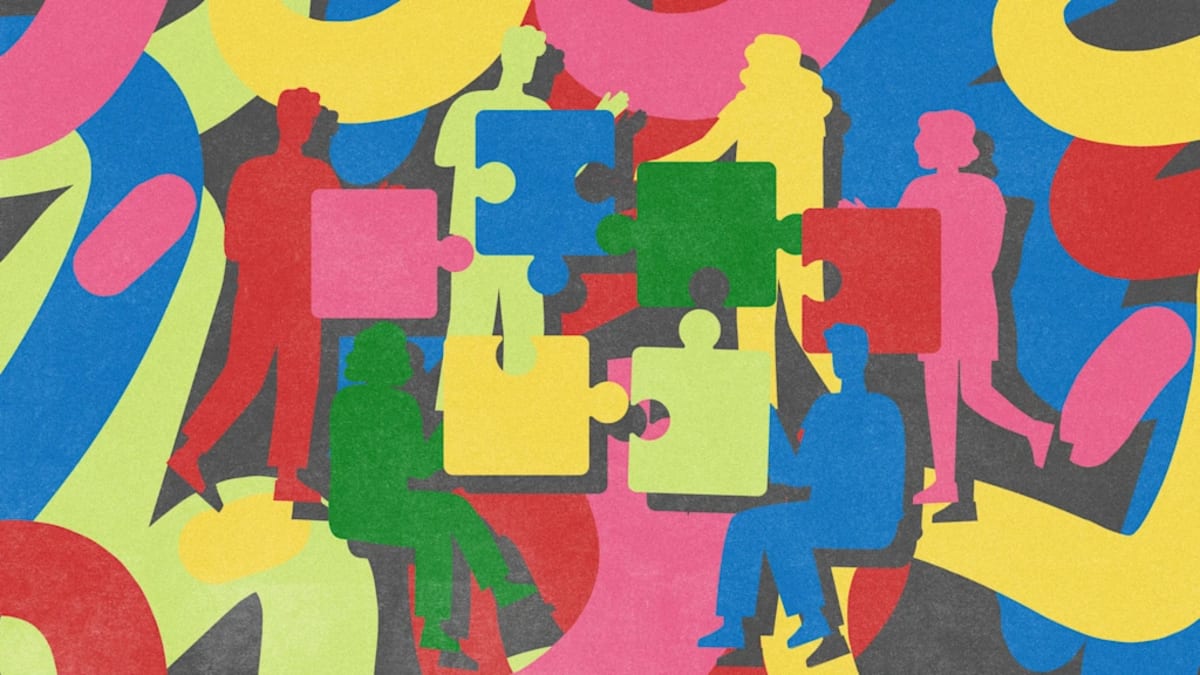
Teamwork was dying at Duke University, and artificial intelligence was the culprit. Professor Scott Dyreng watched as more than half his MBA students abandoned their project teams to work alone after getting access to AI tools.
Before AI entered the classroom, only 5% of students chose to break up their teams for final projects. The technology gave everyone the confidence to go it alone, but it came at a cost.
Dyreng discovered that AI was disrupting essential teamwork skills like negotiating, compromising, and reaching agreements. Students could crank out work faster individually, but they were losing something valuable in the process.
Instead of banning the technology, Dyreng flipped the script. He started using AI strategically to analyze meetings, summarize discussions, and track participation. The tools didn't replace human interaction—they enhanced it.
The results surprised everyone. AI became a bridge instead of a barrier. Students communicated more, not less, when the technology supported their collaboration rather than replacing it.
The lesson extends far beyond the classroom. At companies like Jotform, leaders are using AI to build stronger teams by analyzing communication patterns and identifying individual strengths. Meeting analysis reveals who leads on specific topics. Communication trends show who excels at different project stages.
When someone struggles with deadlines, AI can suggest personalized learning solutions that fit their schedule. The technology spots gaps and helps fill them without replacing human judgment.
The Ripple Effect
This approach is changing how organizations think about talent and teamwork. The old belief that stacking a team with star performers guarantees success is fading. Companies are learning that how people work together matters as much as who's on the team.
Cross-functional teams work best when each person brings distinct expertise and the group maintains natural balance. AI tools can help leaders understand these dynamics and shift roles as projects evolve.
The real power comes from using technology to lean into people's strengths while addressing weaknesses. AI can gather insights that help the right person lead each project based on the work at hand, not just their title or seniority.
Smart leaders are asking a different question now. It's not whether to use AI, but how to use it in ways that bring people closer together instead of pushing them apart.
Based on reporting by Fast Company
This story was written by BrightWire based on verified news reports.
Spread the positivity!
Share this good news with someone who needs it