Duke Nasal Swab Detects Alzheimer's Before Memory Loss
A simple nasal swab test developed at Duke can now detect Alzheimer's disease before symptoms appear, identifying cases with 81% accuracy. The quick procedure could finally allow doctors to start treatment years before memory loss begins.
Imagine catching Alzheimer's disease before a single memory fades, when treatment could actually prevent symptoms from ever appearing.
Duke Health researchers just made that possibility real. They developed a nasal swab test that detects biological warning signs of Alzheimer's years before cognitive decline starts, offering hope to millions of families watching loved ones slip away.
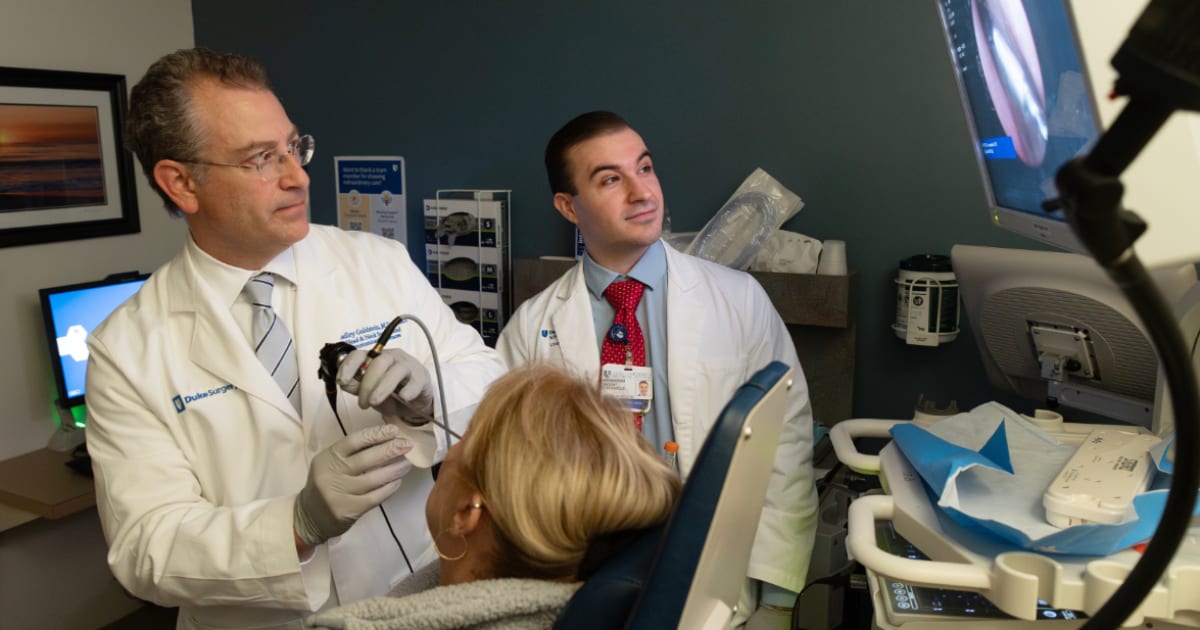
The procedure takes just minutes in an outpatient setting. After a quick numbing spray, doctors collect cells from high inside the nasal cavity, where smell-related nerve cells connect directly to the brain. Those cells tell a story through their active genes, revealing early changes in nerve and immune function that signal Alzheimer's brewing.
The results are remarkable. The test correctly identified Alzheimer's cases about 81% of the time, including people who showed biological markers but had zero symptoms yet.
"If we can diagnose people early enough, we might be able to start therapies that prevent them from ever developing clinical Alzheimer's," said Dr. Bradley Goldstein, the study's lead researcher and surgeon-scientist at Duke University School of Medicine.
Current Alzheimer's diagnosis typically happens only after memory problems become obvious. By then, significant brain damage has already occurred. This nasal swab flips that timeline completely.
Mary Umstead joined the study in honor of her sister Mariah, who received an early-onset Alzheimer's diagnosis at 57, but only after symptoms had already progressed. "I would never want any family to have to go through that kind of loss that we went through with Mariah," Mary said.
Why This Inspires
This breakthrough represents more than just scientific progress. It's about giving families time back, offering hope where there was only helplessness. Every year researchers gain in early detection means more years families keep their loved ones fully present.
The research team plans to expand testing to larger groups and explore whether the swab can track how patients respond to treatment over time. Duke has already filed a patent to speed development of the technology.
The work received funding from the National Institutes of Health, turning taxpayer dollars into real hope for the 6.7 million Americans living with Alzheimer's and the countless more worried about their future.
One simple swab could change everything about how we fight this disease.
Based on reporting by Google News - Researchers Find
This story was written by BrightWire based on verified news reports.
Spread the positivity!
Share this good news with someone who needs it