Duke Team Moves Closer to First Arthritis Joint Repair Drug
Scientists at Duke Health have reached a major milestone in developing a treatment that could help 32 million Americans with osteoarthritis actually repair their damaged joints instead of just managing pain. The experimental therapy restored joint tissue to near-normal levels in animal studies and could reach human trials within two years.
For millions of Americans living with osteoarthritis, the choices have been grim: live with chronic pain, get repeated injections, or eventually replace the joint through surgery.
Now, a team led by Duke Health researchers has achieved a breakthrough that could change everything. They've successfully completed the first phase of developing treatments that help the body repair damaged joints at the source, not just mask the symptoms.
The project involves scientists from Duke, UCLA, Boston Children's Hospital, and Harvard University. Together, they're developing three experimental treatments designed to wake up the body's natural repair processes in cartilage and bone, the tissues that break down in osteoarthritis.
In animal studies, the results exceeded expectations. The carefully designed drug combinations restored joint tissue to near-normal levels and significantly reduced pain markers for extended periods after treatment.
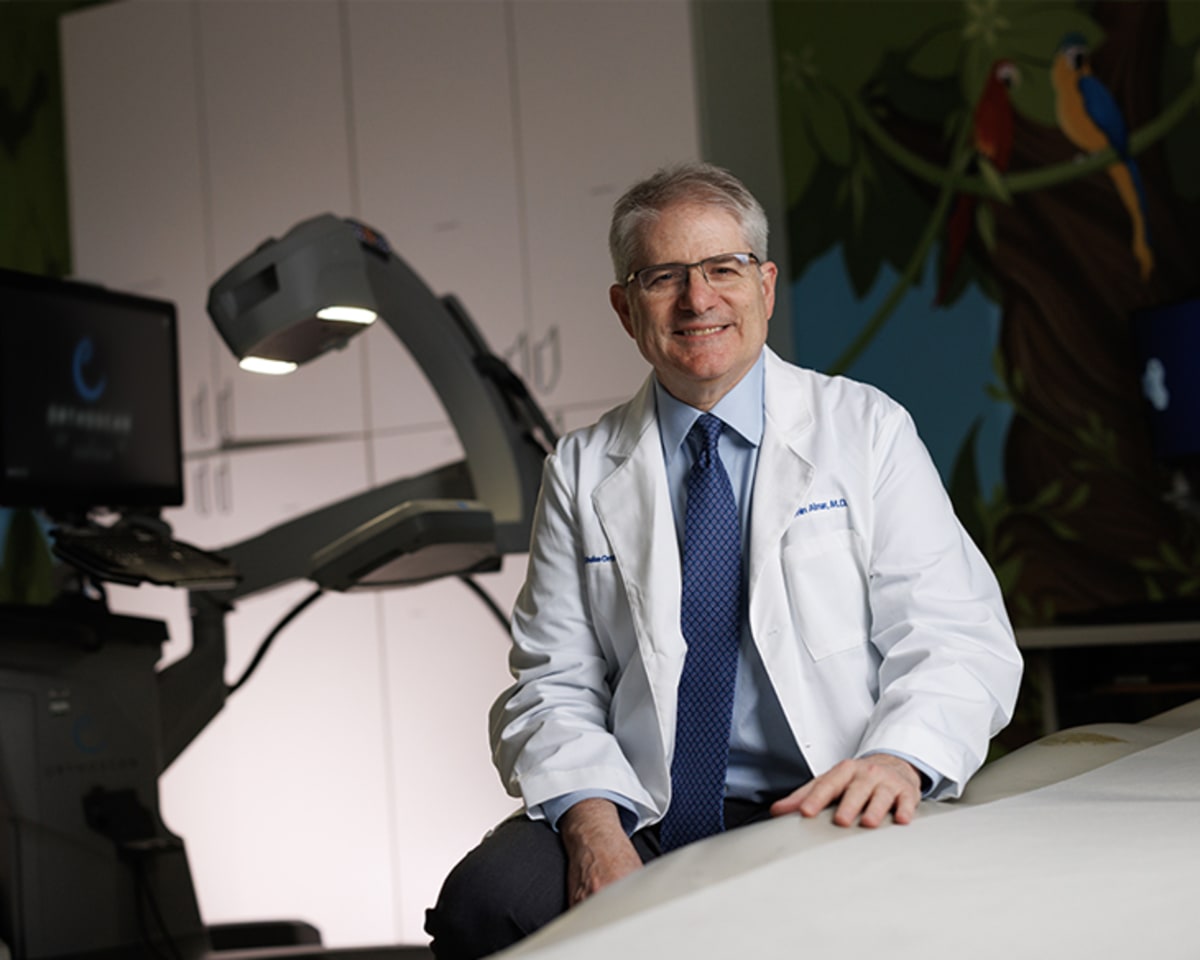
"This milestone brings us closer to a future where we can treat the root cause of osteoarthritis, not just the symptoms," said Dr. Benjamin Alman, who leads the project and chairs Duke's Department of Orthopaedic Surgery. "Our long-term goal is to help people stay active, independent, and mobile for longer."
The team started with $13 million in federal funding through ARPA-H's NITRO program in 2024. After meeting all their preclinical goals, they've now been selected to move forward with up to $12.5 million in additional funding to prepare for first-in-human clinical trials.
The impact could be massive. Knee osteoarthritis alone affects at least 17 million Americans ages 45 and older. It's the leading reason for total knee replacement surgery, with nearly 800,000 procedures performed yearly in the United States.
The Ripple Effect
Success here would mean more than just avoided surgeries. People could stay active in their communities longer. Families wouldn't need to become caregivers as soon. Healthcare costs could drop dramatically when joint replacement becomes a last resort instead of an inevitability.
Dr. Thomas Kremen, the project's clinical lead at UCLA, acknowledged the ambitious goals. "But we have made incredible progress so far," he said. "With the right team, resources, and shared dedication, we can successfully develop this technology into a viable treatment."
The next phase focuses on advanced safety testing, dosing studies, and preparing the application for FDA review. If everything proceeds as planned, the team expects to begin first-in-human trials within 18 to 24 months.
Patent applications have been filed, and the researchers plan to form a spinout company to move the treatment toward commercialization.
For 32 million Americans who wake up with joint pain every day, hope just got a little closer to reality.
Based on reporting by Google News - New Treatment
This story was written by BrightWire based on verified news reports.
Spread the positivity!
Share this good news with someone who needs it

%2Fhttps%3A%2F%2Ftf-cmsv2-smithsonianmag-media.s3.amazonaws.com%2Ffiler_public%2F8f%2F51%2F8f519049-2d05-4f9a-8858-f58ed880bd57%2Fgettyimages-1432941680.jpg)