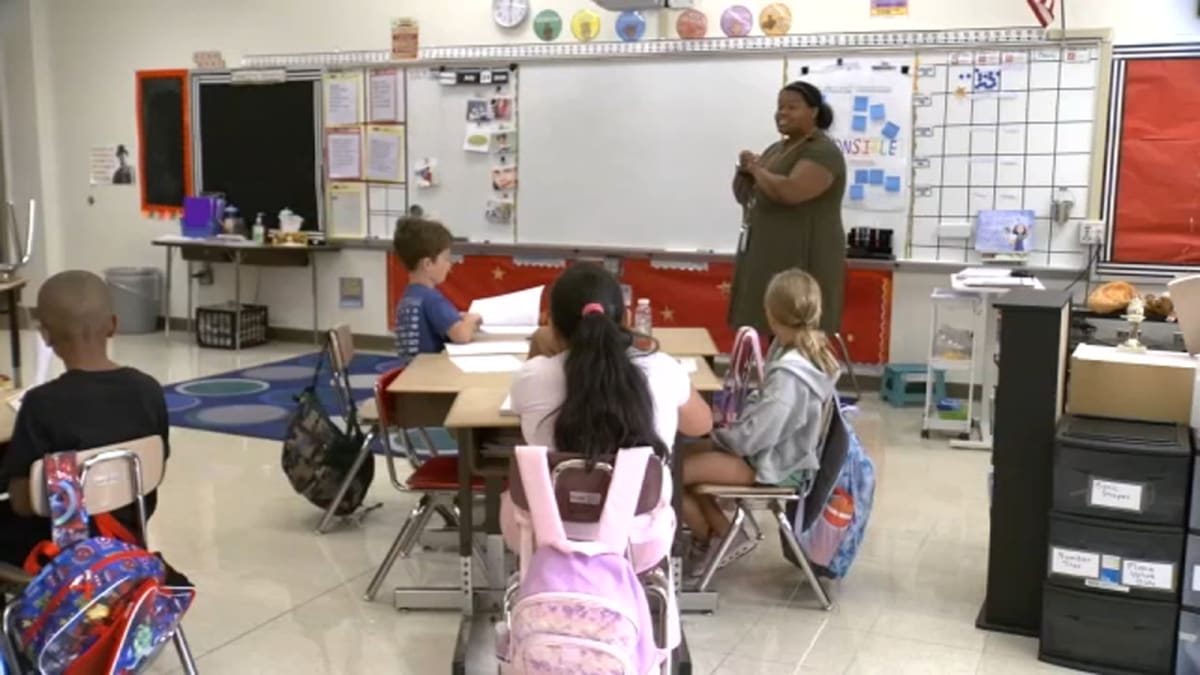
Durham School Cuts Summer, Sees Students Excel Year-Round
One North Carolina elementary school is proving that shorter summers and more frequent breaks might be the key to keeping kids learning. Students return from five-week breaks with their knowledge intact, and teachers say the results speak for themselves.
Students at Easley Elementary School in Durham get just five weeks of summer vacation, and their teachers couldn't be happier about it.
The school's year-round calendar is turning heads as national test scores continue to worry parents and educators across the country. Instead of one long summer break, Easley students get several shorter breaks throughout the year, and the approach seems to be working.
Third-grade teacher Ava Howell notices the difference every fall. Her students return to class remembering what they learned, not forgetting it over endless summer weeks. "It's a lot less reviewing content and going back over what they previously learned," Howell said.
The shorter gaps between lessons help students build on what they know instead of starting from scratch each year. Howell says kids have more time to wrestle with new concepts and really understand them before taking a break.
Teachers benefit too. Easley's calendar includes three-week breaks in fall, winter, and spring. Second-grade teacher George Bruns says these regular pauses help educators recharge without burning out. "It's a time for them to recharge and get their mojo back, and they take off from there," he explained.
The schedule also creates unexpected opportunities. Bruns talks regularly with first and third-grade teachers during breaks, sharing what works and troubleshooting challenges. This collaboration helps ensure students are ready as they move between grades.
The Bright Side
The results are showing up where it counts. Easley Elementary earned a B on the state report card, meeting growth goals in math and exceeding expectations in reading. These wins matter even more as schools nationwide struggle to bring test scores back to pre-pandemic levels.
Principal Dr. Jennifer Hauser sees the progress as proof that rethinking the school calendar can work. "We are moving the needle as a school and as a district. I feel good about that. I think it's a point of pride for DPS," she said.
The benefits reach everyone in the building. Hauser points out that what's good for students turns out to be good for teachers and administrators too. When educators feel refreshed and supported, students win.
Durham Public Schools is showing that sometimes the best innovation isn't adding more, but spreading what we already have more evenly throughout the year.
Based on reporting by Google News - Student Achievement
This story was written by BrightWire based on verified news reports.
Spread the positivity!
Share this good news with someone who needs it