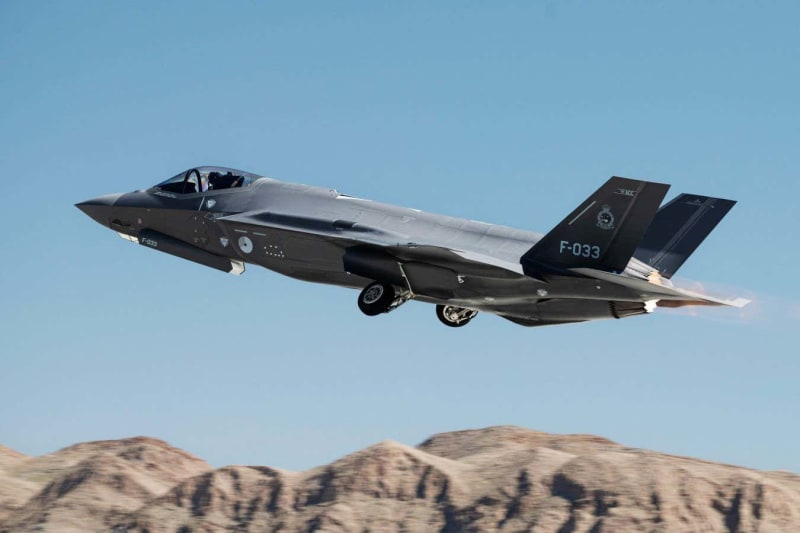
Dutch Air Force Uses Brain-Reading AI to Train Pilots
Fighter pilots in the Netherlands are learning to fly with AI technology that reads their brainwaves and adjusts training difficulty in real time. The system creates personalized training that keeps pilots challenged without overwhelming them.
The Royal Netherlands Air Force is testing groundbreaking technology that reads pilots' thoughts while they train in virtual reality simulators.
Here's how it works: trainees wear sensors that monitor their brainwaves as they practice complex flying maneuvers. An AI system analyzes this brain activity to detect when a pilot is coasting comfortably or feeling overwhelmed.
When the AI notices a pilot finding tasks too easy, it automatically increases the difficulty. If someone's getting stressed, it dials things back to keep them in the learning sweet spot.
This adaptive approach solves a major problem in pilot training. Traditional simulator programs follow rigid, one-size-fits-all scripts that can't respond to individual needs in the moment. Some pilots breeze through while others struggle, and neither group gets optimal training.
The Dutch experiments revealed something interesting. Pilots strongly preferred the brain-reading system over standard training programs. They felt more engaged and appreciated how the difficulty matched their abilities.
However, the technology hasn't yet proven to make pilots measurably better at flying. Performance improvements were similar between the adaptive AI system and traditional methods.
Why This Inspires
This technology represents a shift toward personalized learning in high-stakes fields. The same principles could transform education and training across medicine, emergency response, and other demanding professions.
Virtual reality training is already replacing expensive and risky real-world practice flights. Adding brain-reading capabilities makes these simulations even smarter, creating experiences tailored to each person's learning curve.
The research shows promise for making training more enjoyable and keeping people motivated. Even without clear performance gains yet, keeping trainees engaged matters enormously for retention and long-term skill development.
As the technology improves, it could help identify when people need extra support or are ready for greater challenges faster than human instructors can detect. That means more efficient training and potentially safer skies.
The future of learning to fly might just be reading minds.
Based on reporting by Google News - Netherlands Technology
This story was written by BrightWire based on verified news reports.
Spread the positivity!
Share this good news with someone who needs it