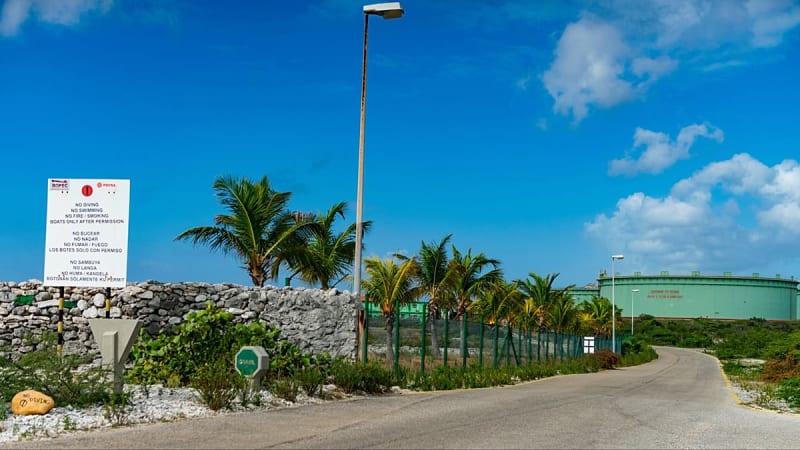
Dutch Court Orders Climate Protection for Caribbean Island
A court has ordered the Netherlands to protect 20,000 Bonaire residents from rising seas and extreme weather, ruling the government discriminated by not acting sooner. The historic decision could inspire similar climate cases worldwide.
Twenty thousand people living on a tiny Caribbean island just won a major victory that could change how governments protect citizens from climate change.
The Hague District Court ordered the Dutch government to create a plan protecting Bonaire residents from rising seas and worsening storms. The judges ruled that Netherlands authorities discriminated against the island's inhabitants by failing to take timely action against climate threats.
"The island already suffers from flooding due to tropical storms and extreme rainfall," Judge Jerzy Luiten told the packed courtroom. Conservative forecasts predict parts of Bonaire will be underwater by 2050.
Eight Bonaire residents brought the case with support from Greenpeace. They argued their government wasn't doing enough to shield them from rising temperatures and sea levels, even though they're Dutch citizens.
"The judges heard us," said resident Jackie Bernabela. "We are no longer second-class citizens."
Bonaire became a special Dutch municipality in 2010, making its residents full Dutch citizens. Despite this status, the court found the government treated them unequally by not extending the same climate protections offered to people living in the Netherlands.
The Ripple Effect
This ruling comes from the same court that decided the groundbreaking Urgenda case over a decade ago. That 2019 decision forced the Dutch government to cut greenhouse gas emissions and sparked similar legal challenges worldwide.
The recent Urgenda ruling influenced major decisions from both the European Court of Human Rights and the International Court of Justice. Both courts found that failing to combat climate change violates international law.
The Bonaire decision could now set another precedent. Communities facing climate threats worldwide may use this case to push their governments toward stronger protective measures.
The court rejected government arguments that existing climate efforts were sufficient. Judges noted that the Netherlands' target to reduce emissions 55 percent by 2030 isn't binding and likely won't be met.
The timing is notable. Rob Jetten, nicknamed "climate pusher" for his work reducing fossil fuel reliance, is expected to lead the Netherlands' new government. His administration will now need to strengthen climate measures following this ruling.
Sea levels have risen an average of 4.3 centimeters globally in the decade leading to 2023, with some Pacific areas rising even higher. The world has warmed 1.3 degrees Celsius since preindustrial times due to fossil fuel burning.
For Bonaire's residents, this victory means their voices finally carry the same weight as citizens living thousands of miles away in the Netherlands.
More Images


Based on reporting by Euronews
This story was written by BrightWire based on verified news reports.
Spread the positivity!
Share this good news with someone who needs it


%2Ffile%2Fattachments%2Forphans%2FWhatsAppImage2026-08-19at1527412_771386.jpeg)