
Dutch Court Rules for Bonaire Climate Protection Rights
A court in The Hague ruled that the Netherlands discriminated against people in Bonaire by failing to protect them from climate change impacts. The government now must create an adaptation plan and cut emissions more aggressively.
A groundbreaking court ruling just gave hope to one of the world's most climate-vulnerable communities by declaring their government can't ignore them any longer.
On Wednesday, a court in The Hague found that the Dutch government discriminated against residents of Bonaire, a Caribbean island under Dutch control. The ruling orders the Netherlands to develop a concrete climate adaptation plan for the island and set tougher national emission targets.
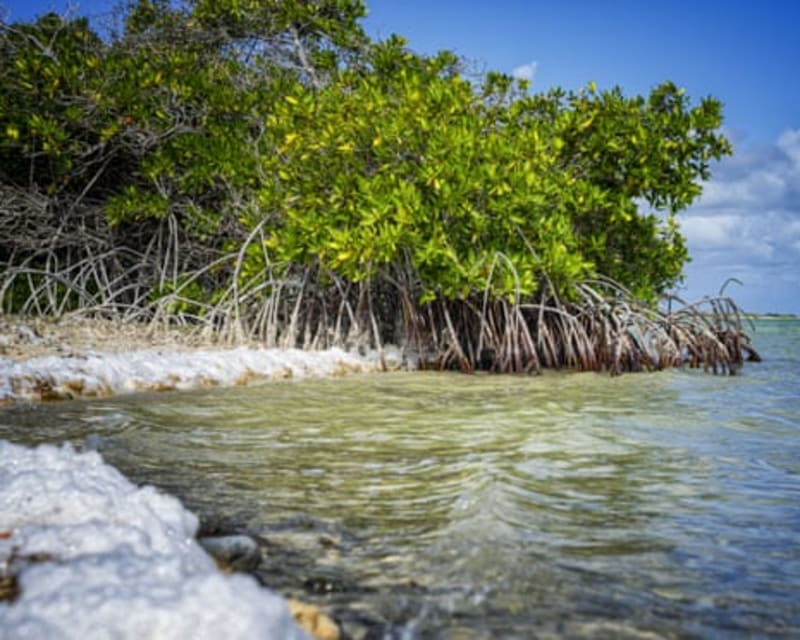
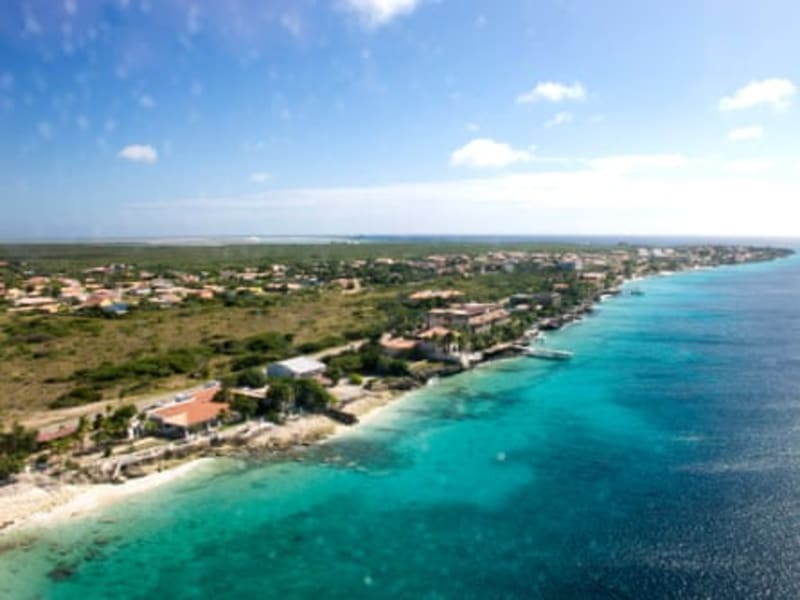
Bonaire faces severe risks from rising seas, extreme heat, and intensifying storms. The island became a Dutch special municipality in 2010, but its local authorities lack the resources and expertise to tackle climate threats alone.
The court found that these risks have been clear for decades, yet no coherent plan exists to address them. Meanwhile, the European part of the Netherlands receives far more climate protection support.
"They really listened to us," said Jackie Bernabela, one of the original claimants who shared how climate change already affects her daily life. "Not only us, but all the other Caribbean islands in the world."
The ruling concluded that the Netherlands violated two articles of the European Convention on Human Rights: the right to respect for private and family life and the prohibition against discrimination. The government must now set a national carbon budget aligned with limiting global heating to 1.5 degrees Celsius above preindustrial levels.
Greenpeace Nederland brought the lawsuit alongside Bonaire residents in early 2024. The court admitted Greenpeace's organizational claim, leading to this historic victory.
The Ripple Effect
This decision echoes a landmark 2019 ruling from the same court that forced the Dutch government to cut emissions by 25 percent. That judgment inspired climate litigation worldwide, empowering communities from Peru to the Philippines to demand climate action through their courts.
The ruling relied on recent advisory opinions from the International Court of Justice and the Inter-American Court of Human Rights, both confirming that states have clear legal duties to address climate change and help communities adapt. These growing legal precedents strengthen the foundation for future climate justice cases globally.
"This is an incredible victory for the people in Bonaire," said Eefje de Kroon, a climate justice expert at Greenpeace Nederlands. The court established not only that discrimination occurred but that the Dutch government must do much more to protect vulnerable citizens.
Bernabela emphasized the painful reality behind the ruling. "The Netherlands are engineers number one in the world, especially in water management, but they have no plan for us," she said.
The Netherlands has six months to comply with setting new carbon budgets and must create transparent, legally binding interim emission targets. Dutch Climate Minister Sophie Hermans called it a "ruling of significance" and said officials would carefully review the decision.
This victory shows that courts worldwide increasingly recognize climate protection as a fundamental human right that governments cannot selectively apply.
More Images


Based on reporting by Guardian Environment
This story was written by BrightWire based on verified news reports.
Spread the positivity!
Share this good news with someone who needs it

%2Ffile%2Fattachments%2Forphans%2FED_618526_241432.jpg)