Dutch 'Crop Gym' Tests Plants for Climate Resilience
Scientists in the Netherlands are putting crops through high-tech fitness tests to find out which plants can handle tomorrow's unpredictable weather. Meanwhile, beavers are making a stunning comeback across Europe after nearly vanishing 100 years ago.
The Netherlands has built what amounts to a gym for vegetables, and it could help feed 10 billion people on a hotter planet.
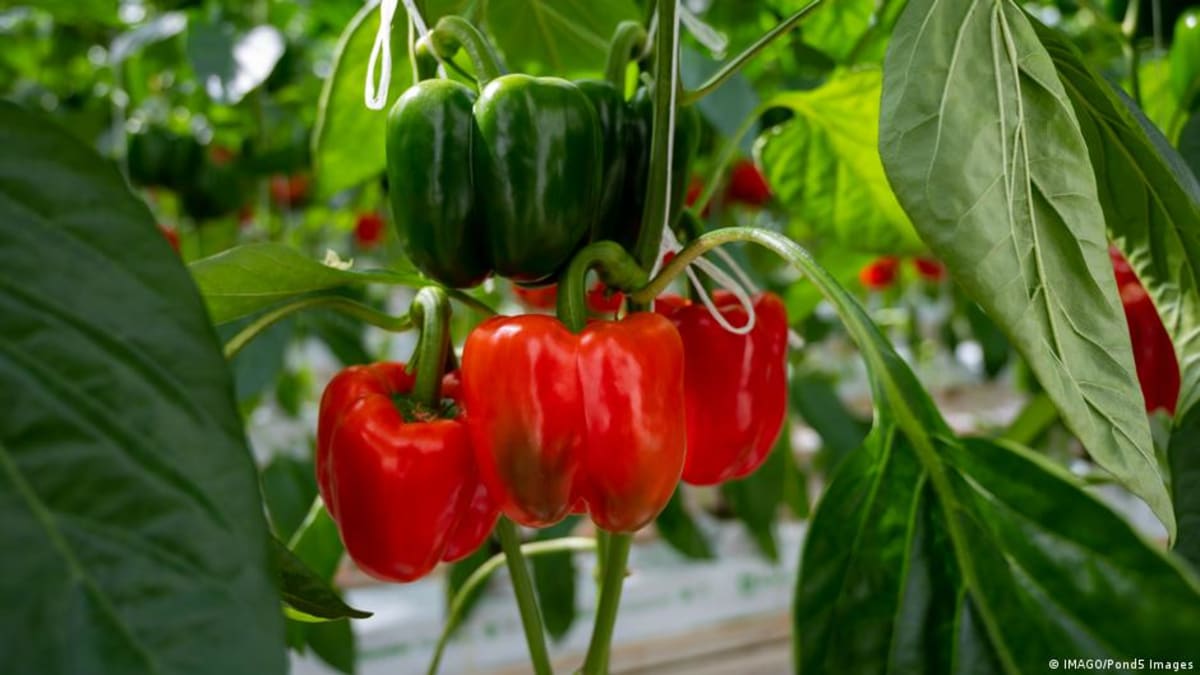
Inside cutting-edge greenhouses, scientists are stress-testing crops using advanced tech and mountains of data. They're searching for plants tough enough to thrive with less water, less land, and wildly unpredictable weather patterns.
The Dutch already know a thing or two about efficient farming. Despite being tiny compared to the United States, the Netherlands ranks as the world's second largest agricultural exporter. Their secret? Precision farming that squeezes maximum output from minimal space.
Now they're taking it further by identifying which crops will stay resilient as climate change reshapes growing conditions worldwide. The research could transform how we grow food in an era of extreme weather.
Elsewhere in Europe, another climate solution is arriving on four legs and a flat tail. Beavers have roared back from near extinction, growing from just 1,500 animals in 1900 to 1.5 million today across the continent.
These furry engineers build dams that naturally combat flooding, drought, and wildfire. Their constructions filter water pollutants, recharge underground aquifers, and restore damaged wetlands and rivers from Spain all the way to Russia.
In northern Germany, the city of Kiel is rethinking infrastructure after October 2023 brought the worst storm surge in over 150 years. Officials are now planning cool city corridors, green building facades, and soccer fields designed to flood seasonally.
Even tourism is joining the climate fight. Destinations in Egypt are recruiting visitors as citizen scientists, asking them to photograph sea turtles. The unique facial markings help researchers track individual turtles and protect injured ones by redirecting boat traffic.
The Ripple Effect
These stories share a common thread. From Dutch greenhouses to beaver wetlands, solutions are emerging that work with nature instead of against it.
The beaver comeback alone shows what's possible when we give ecosystems room to heal. Their dams create benefits that ripple outward, protecting communities downstream while restoring habitat for countless other species.
The Dutch crop research tackles an even bigger question: how do we feed everyone as the planet changes? By finding resilient varieties now, scientists are buying insurance for future harvests.
Together, these efforts prove that climate adaptation doesn't require choosing between human needs and healthy ecosystems. The smartest solutions deliver both.
Based on reporting by DW News
This story was written by BrightWire based on verified news reports.
Spread the positivity!
Share this good news with someone who needs it