Dutch Firm Feeds 700,000 Across Africa With Smart Farming
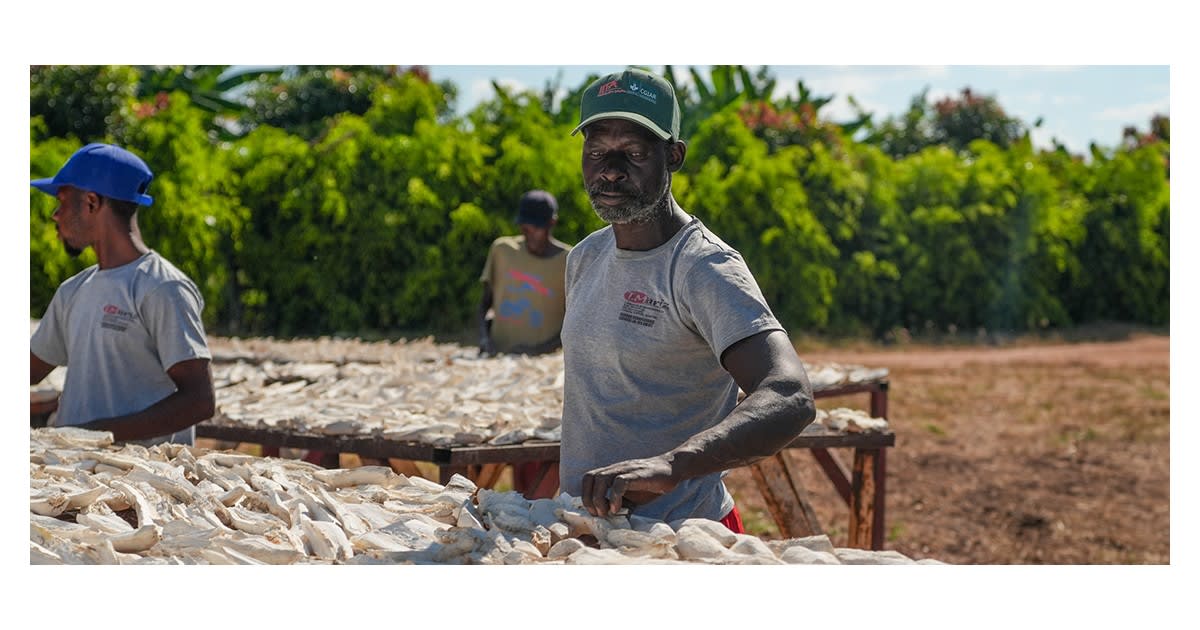
A Dutch horticultural company helped African farmers grow enough vegetables to feed 700,000 people for a year while saving 153 million liters of water. Holland Greentech's 2025 report shows how climate-smart farming tools are transforming food production across 14 African nations.
When 15,000 farmers across Africa received new seeds, irrigation systems, and training last year, they didn't just improve their own harvests. They grew enough fresh vegetables to feed 700,000 people for an entire year.
Holland Greentech, a Dutch company operating in 14 African countries, just released its 2025 Green Growth Report showing the massive impact of sustainable farming practices. The company sold €3.3 million worth of climate-smart tools including precision drip irrigation, drought-resistant seeds, and natural pest control solutions.
The numbers tell a powerful story. Farmers developed 2,665 hectares of climate-smart vegetable gardens and saved 153 million liters of water through efficient irrigation. Nearly 15,000 farmers received hands-on training, along with 167 government agricultural officers who can now teach others.
The work created 9,089 jobs across Senegal, Ghana, Kenya, Tanzania, Zimbabwe, South Africa, and eight other nations. Each success story rippled outward, touching families and communities far beyond the individual farms.
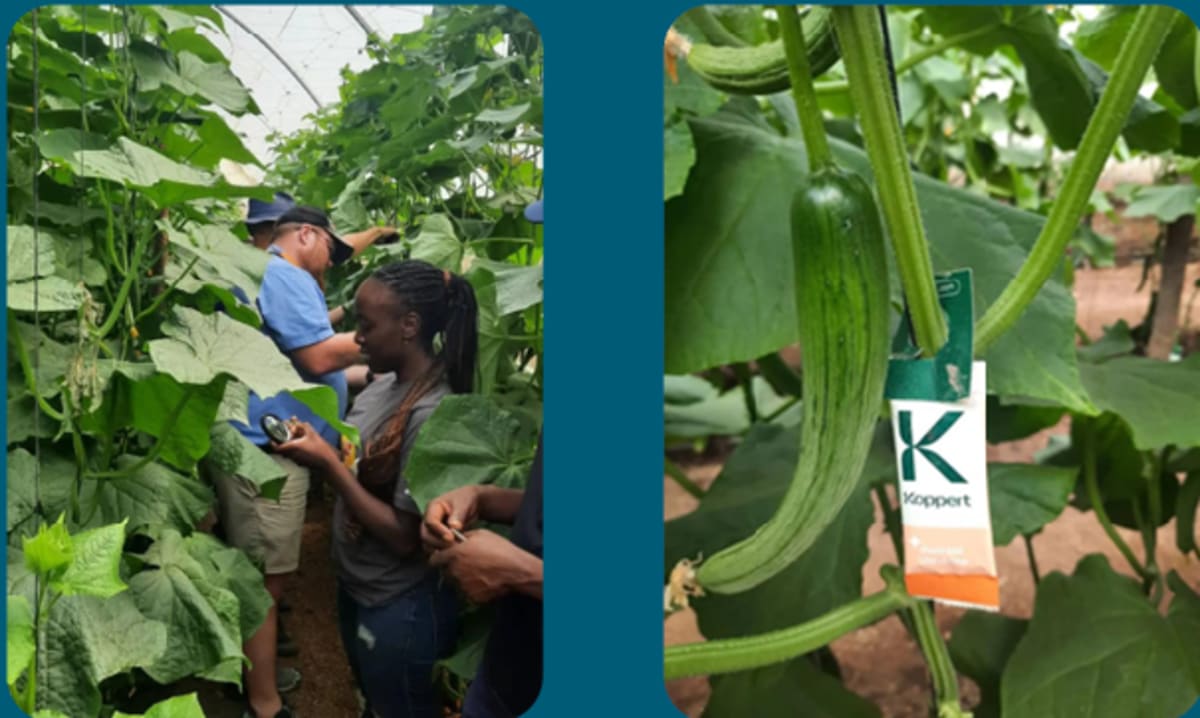
In Burkina Faso, a program using neem oil for natural pest control now provides seasonal income to local women and young people who collect the raw materials. A Zambian cucumber farm eliminated chemical pesticides entirely over an eight-week growing cycle using biological controls instead.
Ghana's post-harvest loss reduction project trained instructors and students at five agricultural colleges. These future farmers are learning to grow more food while wasting less, skills they'll carry throughout their careers.
"This report tells the story of the people we work with every day who are collectively shaping a more sustainable and resilient horticultural sector," said Eline Talmor, the company's Chief Sustainability Officer. She emphasized they're just getting started.
The Ripple Effect
When farmers save water, their neighbors have more access to clean water for drinking and sanitation. When one farmer learns biological pest control, chemical runoff decreases in local streams and soil. When women earn income collecting neem materials, entire households gain financial stability.
The climate benefits extend globally too. Drip irrigation uses a fraction of the water traditional methods require, crucial as droughts become more frequent. Reducing chemical pesticides protects pollinators and soil health for generations.
Holland Greentech aims even higher for 2026, planning to develop 5,000 hectares of climate-smart gardens, train 20,000 farmers, and save 260 million liters of water as they expand operations across Tanzania, Kenya, Ghana, Zimbabwe, South Africa, and Mozambique.
The future of African agriculture is growing greener, one trained farmer at a time.
Based on reporting by Google: economic growth report
This story was written by BrightWire based on verified news reports.
Spread the positivity!
Share this good news with someone who needs it