Dutch Hairdressers Trained to Spot Abuse, Connect Victims
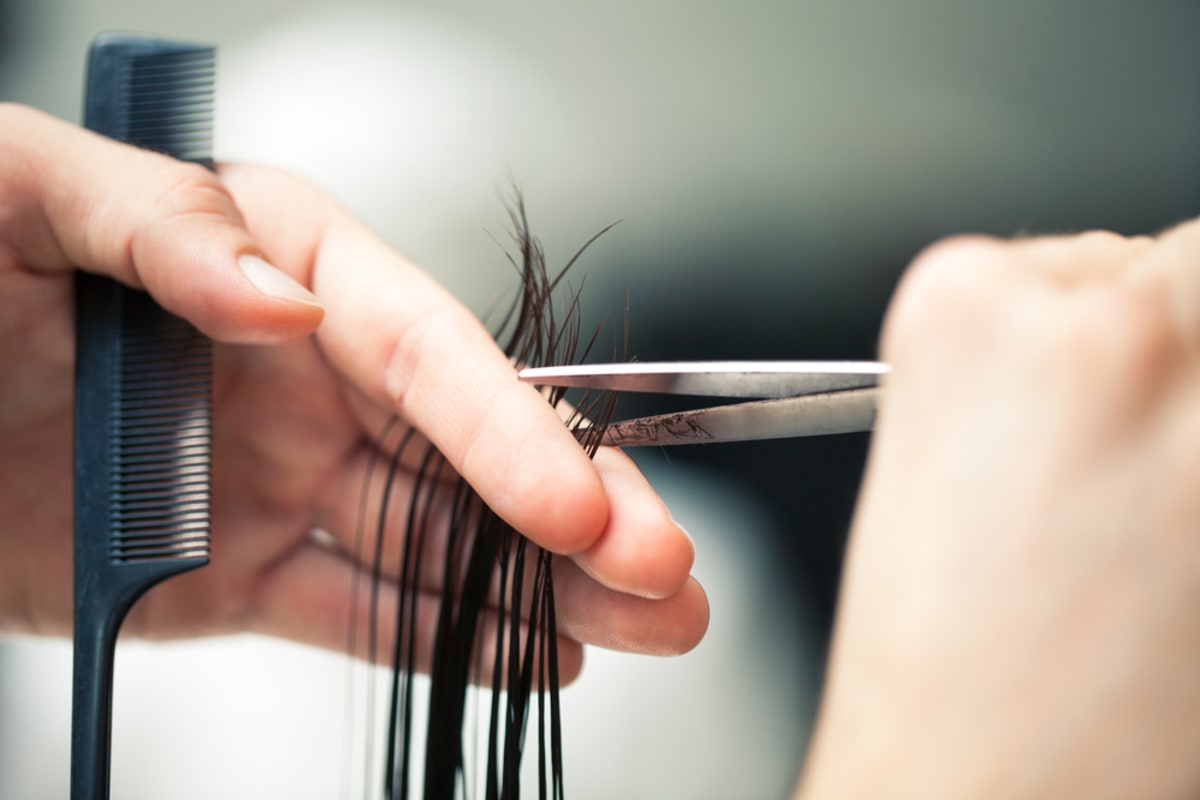
Rotterdam hairdressers are getting special training to recognize signs of domestic abuse and guide victims to help. The "listening chair" toolkit turns regular salon visits into potential lifelines for people trapped in dangerous situations.
Hairdressers in Rotterdam are becoming unexpected allies in the fight against domestic abuse, armed with new tools to help clients who may be suffering in silence.
A pilot program launched this week gives salon professionals conversation guides and resources to recognize warning signs and connect victims with support organizations. The initiative acknowledges what stylists have known for years: the salon chair is often where people open up about their lives.
Research from Radboud University found that one in three hairdressers already notice signs of abuse in their clients. The problem? They weren't sure what to do next.
Special commissioner Mariëtte Hamer, who launched the program alongside Rotterdam mayor Carola Schouten, points to a sobering statistic. It takes an average of 30 to 35 incidents of sexual violence before victims speak out about what's happening at home.
"Almost everyone visits the hairdresser's more or less regularly," Hamer said. "There is eye contact and conversations often become quite personal."
The toolkit includes cards listing potential indicators like sudden changes in personal care, dramatic hairstyle shifts, or casual mentions of controlling partners. It also provides conversation techniques and contact information for professional support services.
The Ripple Effect
The program recognizes hairdressers as trusted community figures who build relationships over time. Therèse van 't Westende-de Bijl, director of the hairdressers' umbrella organization Anko, says stylists have long understood their special role in clients' lives.
"Not just because of looks but because you build a relationship," she said. The toolkit finally gives them the tools to act on what they see and hear.
A second pilot is planned for Friesland, and organizers hope to expand the approach to nail stylists, physiotherapists, and other professionals who maintain regular personal contact with clients.
The program transforms ordinary appointments into opportunities for connection, proving that sometimes the most powerful interventions happen in the most everyday places.
Based on reporting by Dutch News
This story was written by BrightWire based on verified news reports.
Spread the positivity!
Share this good news with someone who needs it