Dutch Lab Tests Climate-Proof Crops to Feed 10 Billion
Scientists in the Netherlands are using high-tech greenhouses to develop crops that can survive extreme weather and feed a growing world population. Meanwhile, beavers are back in Europe after near extinction, naturally fighting floods and wildfires.
The world needs to feed 10 billion people with less farmland, shrinking water supplies, and weather nobody can predict anymore.
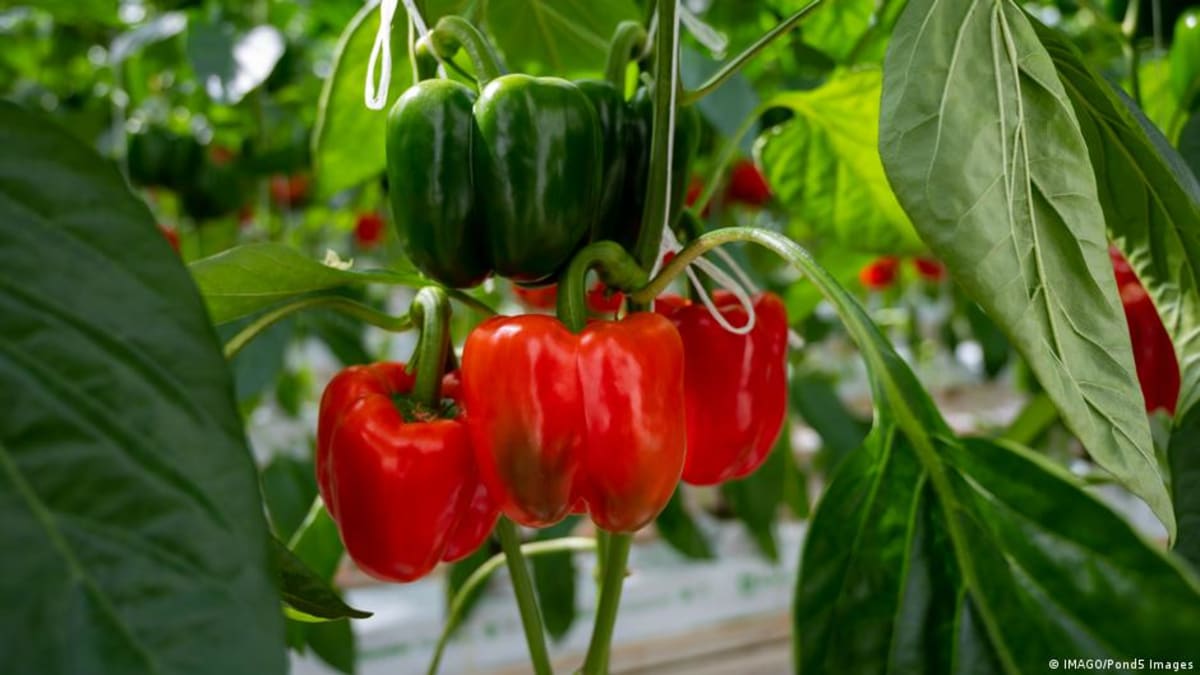
Scientists in the Netherlands think they've found part of the answer. In cutting-edge greenhouses across the country, researchers are testing which crops can handle whatever climate change throws at them. They're using advanced technology and massive amounts of data to breed resilient plants that thrive in drought, heat, and storms.
The Netherlands already punches way above its weight in farming. Despite its tiny size, it's the world's second largest agricultural exporter after the United States. The country has become the "Silicon Valley" of agriculture, mastering precision farming techniques that squeeze maximum yields from minimal space.
But the Dutch aren't stopping there. Their scientists are now racing to develop the next generation of crops before climate disruptions threaten global food security.
Across Europe, another solution is emerging from an unexpected source. Beavers nearly disappeared from the continent in the early 1900s after hunters decimated populations for fur, meat, and scent glands. Only about 1,500 Eurasian beavers survived.
Today, thanks to decades of rewilding efforts, 1.5 million beavers are back and hard at work. These natural engineers build dams that filter water pollution, reduce flooding, slow wildfires, fight droughts, and recharge underground water supplies. From Spain to Russia, beavers are repairing damaged wetlands and rivers without costing taxpayers a cent.
In Germany, the city of Kiel is also adapting to climate reality. After the worst storm surge in over 150 years destroyed dikes and marinas in October 2023, city officials got creative. They're now planning cool city corridors, green building facades, and even soccer fields that double as flood zones during extreme weather.
The Ripple Effect
These stories share a common thread: facing climate challenges head-on with practical solutions. Whether it's breeding tougher tomatoes, bringing back nature's builders, or redesigning cities for resilience, communities worldwide are choosing action over anxiety. The Netherlands proves that small countries can lead big innovations, while beaver populations show that nature bounces back when given the chance.
Innovation and nature are teaming up to build a world ready for whatever comes next.
Based on reporting by DW News
This story was written by BrightWire based on verified news reports.
Spread the positivity!
Share this good news with someone who needs it