Dutch Museum Brings Holocaust Victims Back to History
The Rijksmuseum is giving Holocaust victims their stories back through a powerful new exhibition featuring family archives donated by descendants. After nearly 80 years of being "erased from history," these personal objects ensure their memories will live on.
For nearly 80 years, Mirjam Polak-Rabbie existed only as a name in bureaucratic records after being murdered at Auschwitz in 1943. Now, thanks to her great-granddaughter's donation to Amsterdam's Rijksmuseum, her story will be told for generations to come.
The Dutch national museum has opened three new displays on its top floor that tell Holocaust stories through deeply personal objects. These aren't just historical artifacts. They're treasured family keepsakes that descendants chose to share with the world.
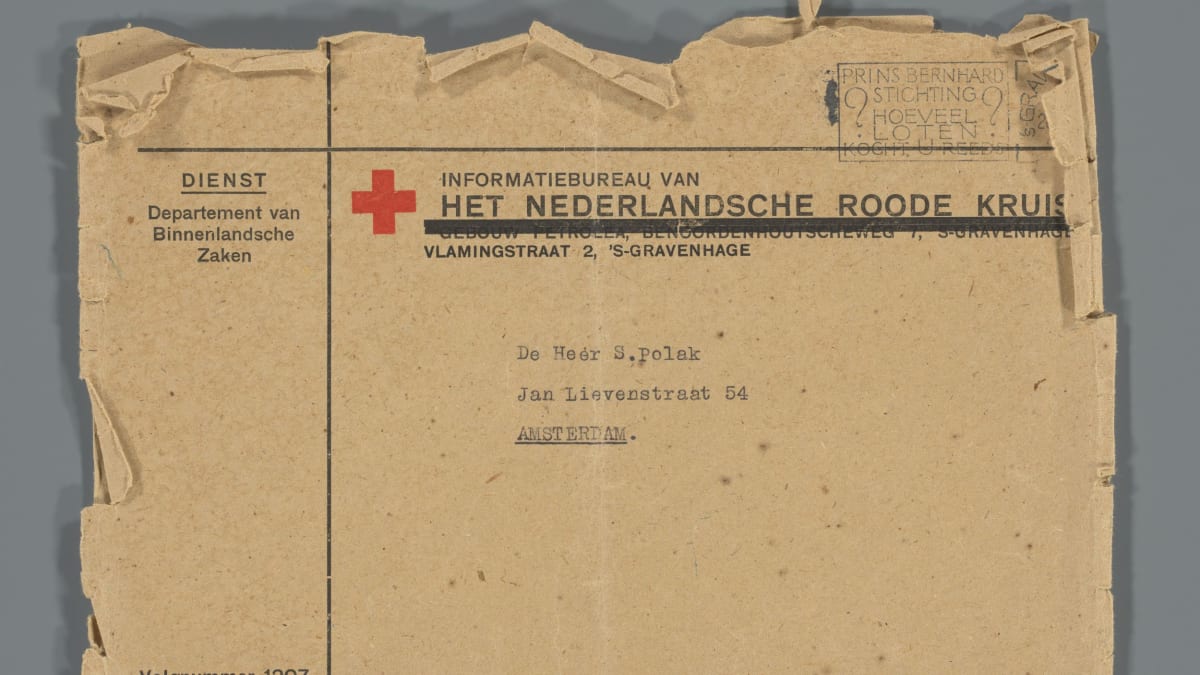
One glass case holds the expensive fake ID that helped Mirjam's son Samuel survive the war, constantly risking discovery while protecting his non-Jewish wife and children. Another displays the 1947 Red Cross letter formally announcing his mother's death, kept by the family for three generations. It was the only time his daughter Willy ever saw him cry.
In a nearby cabinet sits a concentration camp coat worn by Isabel Wachenheimer. She reclaimed her identity by sewing her own name into the collar, refusing to be just a number. She kept that coat for the rest of her life.
Deborah van Tiel, Mirjam's great-granddaughter who donated the family archive, sees the exhibition as more than memory. "As long as the Rijksmuseum exists, her story will continue to exist," she said.
Why This Inspires
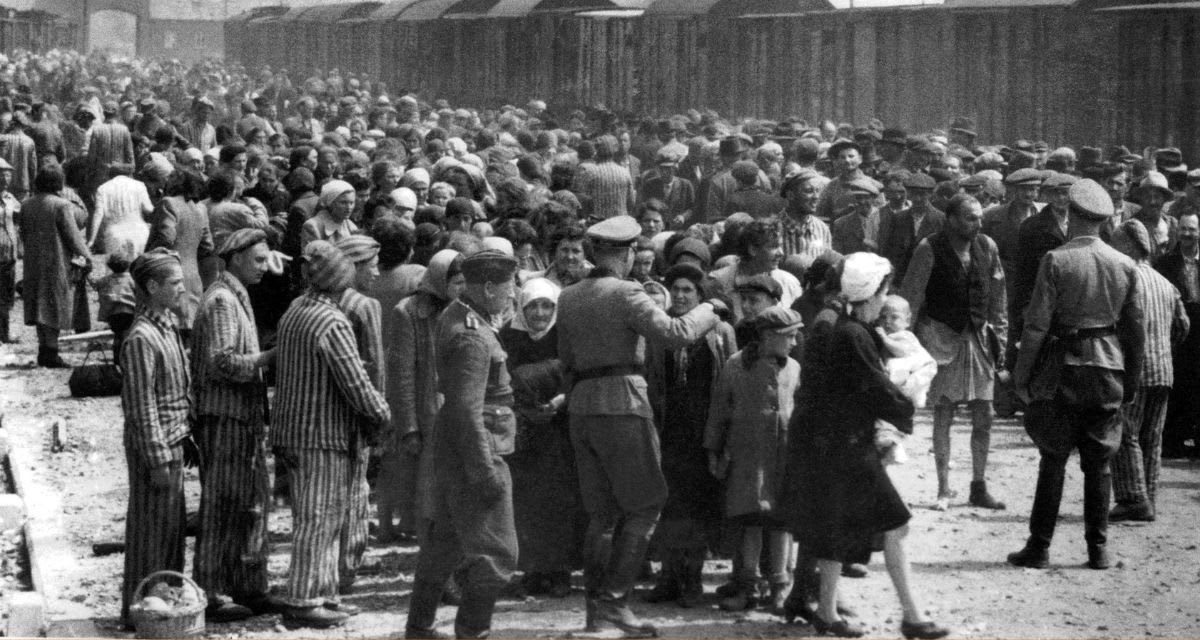
The museum's decision to focus on personal stories makes the unimaginable more human. More than 102,000 Jewish, Sinti and Roma people from the Netherlands were murdered during the Holocaust. Three-quarters of the Dutch Jewish population died, the highest rate in Western Europe.
Curator Mara Lagerweij explains that objects help transform abstract numbers into real people. "What we hope to achieve with telling these personal stories is to make it as human as possible," she said.
The timing matters too. For decades after liberation, Dutch society pushed everyone to "look forward" without recognizing the specific trauma Jewish survivors endured. This silence caused additional pain for people who had already lost everything.
Now the Rijksmuseum is actively addressing this history, including recognizing forced sales of Jewish property and working to return looted objects. The museum recently purchased silver salt cellars from the heirs of Emma Budge, a German-Jewish woman whose collection was taken during the war.
The exhibition also features a replica of the Stolperstein plaque placed outside Mirjam's last home. In 1939, she wrote in her granddaughter's friendship book: "Don't forget Grandma Mirjam." Her family has honored that wish in the most permanent way possible.
Based on reporting by Dutch News
This story was written by BrightWire based on verified news reports.
Spread the positivity!
Share this good news with someone who needs it