Dutch Nurses Cut Red Tape, Revolutionize Home Care for Aging
A nurse-founded organization in the Netherlands ditched bureaucracy and let small teams of nurses make their own decisions. The result? Better care, happier workers, and a model now spreading to 24 countries.
📺 Watch the full story above
When Dutch nurse Jos de Blok looked at home care in the 1990s, he saw a system drowning in paperwork where nurses spent more time filling forms than caring for patients.
By 2006, he'd had enough. De Blok co-founded Buurtzorg Nederland with a radical idea: what if we just let nurses be nurses?
Before Buurtzorg, Dutch home care had become a nightmare of efficiency metrics. Care was chopped into standardized "products" with specific time limits for each task. Nurses were frustrated, patients felt like items on an assembly line, and layers of managers who'd never worked frontline jobs made decisions that hurt both.
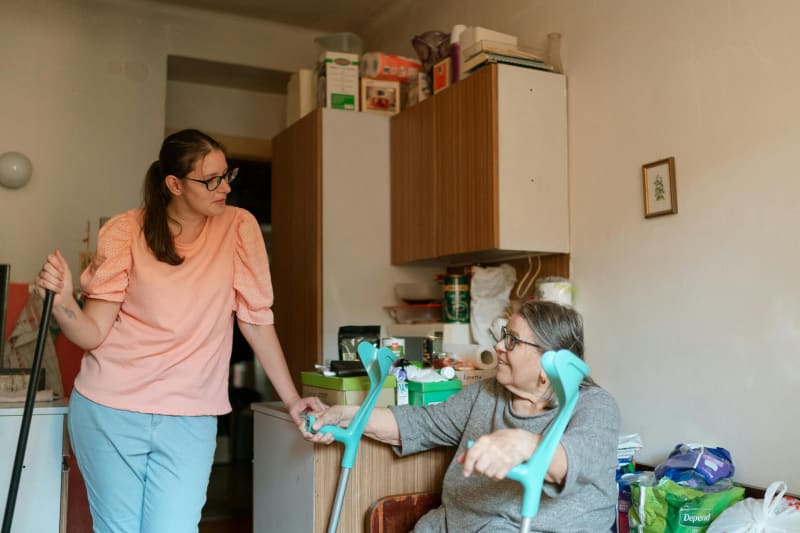
De Blok flipped the entire model. Instead of centralized control, he created small neighborhood teams of nurses who manage themselves. These teams take care of the whole person, not just isolated tasks checked off a list.
The approach worked beyond anyone's expectations. Today, Buurtzorg employs 14,000 professionals working in over 900 self-managing teams across the Netherlands. The organization runs on remarkably low overhead, with just a few dozen people in the back office while everyone else works directly with clients.
A new study published in the Journal of Business Ethics examined what makes Buurtzorg different. Researchers found the organization follows six principles of what they call "spiritual discernment," though it has nothing to do with religion. It's about constantly asking: does this truly help our clients and our purpose?
That question drives everything. Buurtzorg designed its own digital platform called BuurtzorgWeb that focuses only on information nurses actually need to deliver better care. Administrative tasks that existed just to satisfy managers got eliminated. Documentation was simplified to what matters for clients and continuity of care.
The result? Nurses spend their time caring instead of doing paperwork. Patients get consistent caregivers who know them as people. And the model costs less than traditional bureaucratic systems.
The Ripple Effect
The success hasn't stayed in the Netherlands. More than 24 countries are now implementing or testing the Buurtzorg model, including Sweden, Japan, and the United Kingdom. Healthcare systems worldwide are watching closely as aging populations demand better home care solutions.
The broader lesson reaches beyond healthcare. Buurtzorg proves that trusting frontline workers, cutting unnecessary bureaucracy, and focusing relentlessly on purpose can transform an entire industry. Other organizations facing similar bureaucratic bloat are taking notes.
Europe's aging population desperately needs home care that actually works, and Buurtzorg is showing the way forward by putting humanity before efficiency spreadsheets.
More Images


Based on reporting by Medical Xpress
This story was written by BrightWire based on verified news reports.
Spread the positivity!
Share this good news with someone who needs it