India's Seniors Choose Retirement Homes Over Tradition
Across India, elderly citizens are breaking a long-standing cultural taboo by choosing retirement communities, transforming what was once seen as abandonment into a lifestyle choice marked by independence and community. The sector is now worth $10-15 million and expected to grow to $30-50 billion in the next decade.
📺 Watch the full story above
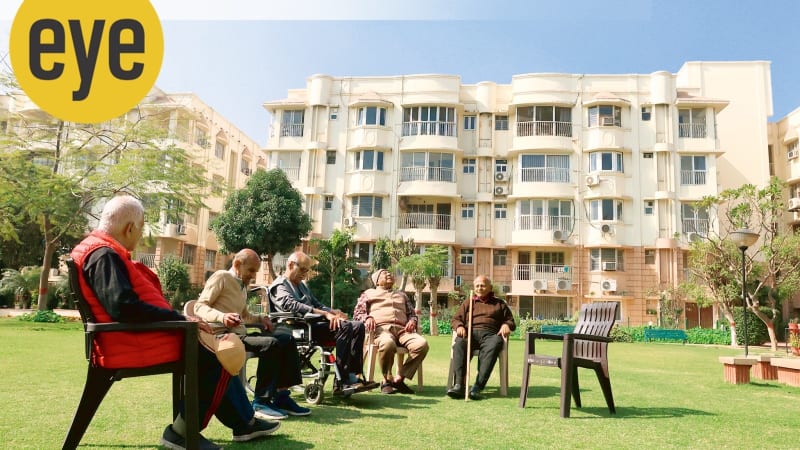
Colonel BL Sharma spent 30 years serving in the Indian Army, but at 72, he says he's living his "bachpan" or childhood again. He's one of thousands of Indian seniors choosing retirement communities over traditional multigenerational homes.
Sharma booked his spot at Ashiana Utsav in Bhiwadi, Rajasthan, three months before retiring in 2011. He sold his family home to move into a space where open lawns, daily discussions, and genuine friendships replaced military hierarchy.
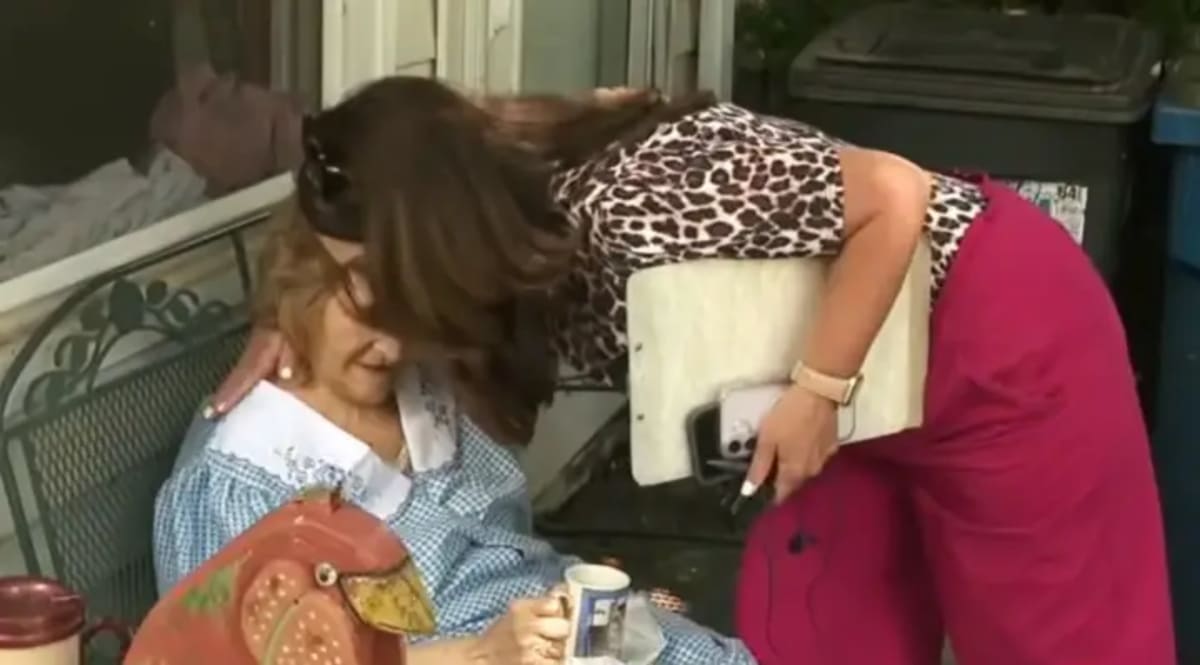
In Pune, a 72-year-old interior designer discovered complex zen art after moving to Pratiti Elder Care following her husband's death. Her sons in the US and UK initially resisted the idea, but she stood firm about her choice.
"I didn't feel like I was going to a strange place," she explains. The art classes and community activities have brought her peace she couldn't find living alone.
This shift represents a major cultural change in India, where caring for aging parents at home has been the norm for generations. Now, retirement communities are shedding their "abandoned by family" stigma and emerging as spaces for active, independent living.
The numbers tell the story of this transformation. According to the Association of Senior Living India, the senior care sector has reached $10-15 million in market size and could explode to $30-50 billion within a decade.
Options range from Rs 35,000 monthly at facilities like Pratiti, which includes food, accommodation, and activities, to luxury purchases at Antara Residences costing Rs 5-8 crore. Waiting lists are common at many facilities.
These communities offer more than just housing. Residents access on-call doctors, nurses, counselors, yoga classes, art workshops, memory games, and social activities designed specifically for seniors.
The Ripple Effect
This trend is reshaping how Indian families think about aging and independence. Seniors are prioritizing their own needs and social connections rather than defaulting to family obligations that may leave them isolated or burdensome.
The model is also creating jobs in geriatric care, senior-focused activities, and specialized housing development. Urban centers are seeing the highest demand, though 70 percent of India's seniors still live in rural areas.
What started as a controversial choice is becoming normalized as more families see their parents thrive in these communities. Adult children living abroad particularly appreciate knowing their parents have professional care and active social lives.
For residents like Colonel Sharma, gathering with friends on the lawn each morning to debate politics and crack jokes isn't just pleasant. It's the freedom to live fully on their own terms.
Based on reporting by Indian Express
This story was written by BrightWire based on verified news reports.
Spread the positivity!
Share this good news with someone who needs it