Dutch Robots Remove 66,000 Tons of Ocean Plastic
Autonomous robots are patrolling rivers in cities worldwide, intercepting trash before it reaches the ocean. The Ocean Cleanup has already pulled 66,000 tons of plastic from waterways across 11 countries.
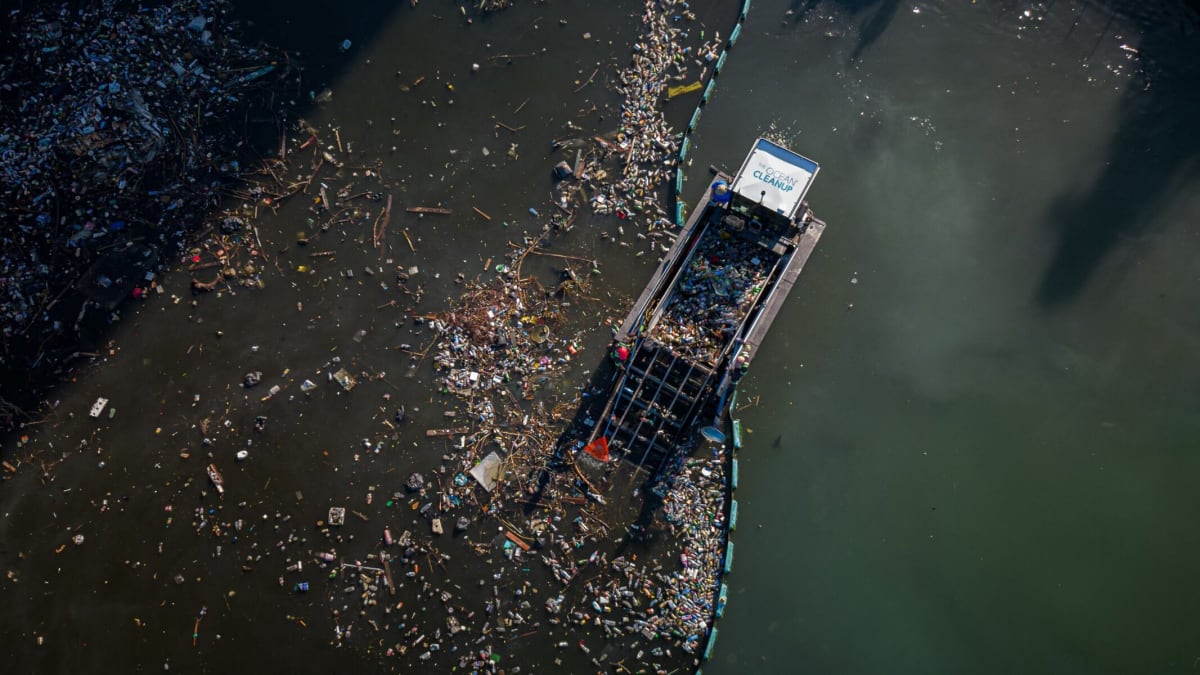
Picture a robot floating down a river in Los Angeles, Mumbai, or Kuala Lumpur, quietly scooping up plastic bottles, bags, and wrappers before they drift into the ocean. It sounds futuristic, but it's happening right now in dozens of waterways around the world.
The Ocean Cleanup, a Dutch nonprofit founded by then-18-year-old engineering student Boyan Slat in 2013, has deployed autonomous "interceptors" that patrol rivers and capture plastic waste 24/7. These floating machines use GPS trackers, cameras, and drones to monitor their progress as they work.
The numbers tell an encouraging story. In 2025 alone, these interceptors removed over 27,000 metric tons of plastic trash. The total haul now stands at more than 66,000 tons across 11 countries, thanks to dozens of machines working around the clock.
The Ocean Cleanup's work has struck a chord beyond environmental circles. Their TikTok account has 2.6 million followers, with their most popular video showing plastic removal reaching 50 million views. People are hungry to see solutions in action.
The organization employs 200 people and has attracted major funding from companies like Deloitte, JP Morgan, and the Dutch government. Their ambitious goal is to remove 90 percent of floating ocean plastic by 2040 through river interception, ocean extraction, and coastal cleanups.
The Ripple Effect
Experts agree that reducing plastic production remains the top priority. "We have to focus on strategies to turn off the tap," says Richard Thompson, a marine biology professor at the University of Plymouth. "Preventing plastics from entering the environment simply has to be the priority."
But cleanup efforts still matter. Plastic takes 20 to 500 years to decompose, and even then it only breaks down into harmful microplastics. The 66,000 tons already removed represents trash that won't threaten marine life, damage ecosystems, or enter our food chain.
Scientists like Thompson acknowledge that removal technology has its place within a broader strategy. With the equivalent of 2,000 garbage trucks of plastic dumped into waterways daily, every ton intercepted is a victory for ocean health.
These robots aren't solving plastic pollution alone, but they're proving that technology can be part of the solution while humanity works on bigger changes upstream.
Based on reporting by Reasons to be Cheerful
This story was written by BrightWire based on verified news reports.
Spread the positivity!
Share this good news with someone who needs it