Dutch Scientists Crack Code for Smarter Home Energy Systems
Researchers in the Netherlands just solved one of clean energy's biggest puzzles: how to make solar panels, batteries, heat pumps, and electric cars work together seamlessly. Their breakthrough system could finally make home battery storage profitable while helping stabilize the electrical grid.
Scientists at Delft University of Technology have created a smart power management system that coordinates all your home's clean energy devices at once, turning what used to be separate systems into one efficient team.
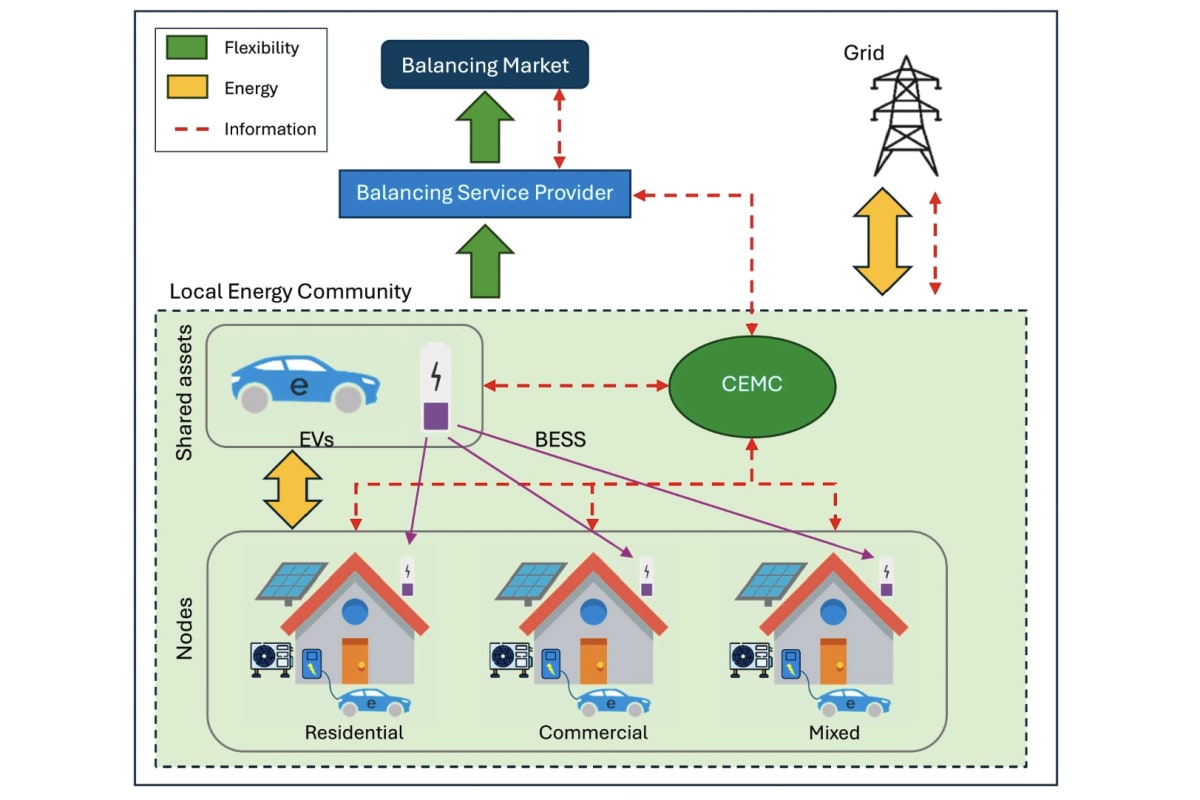
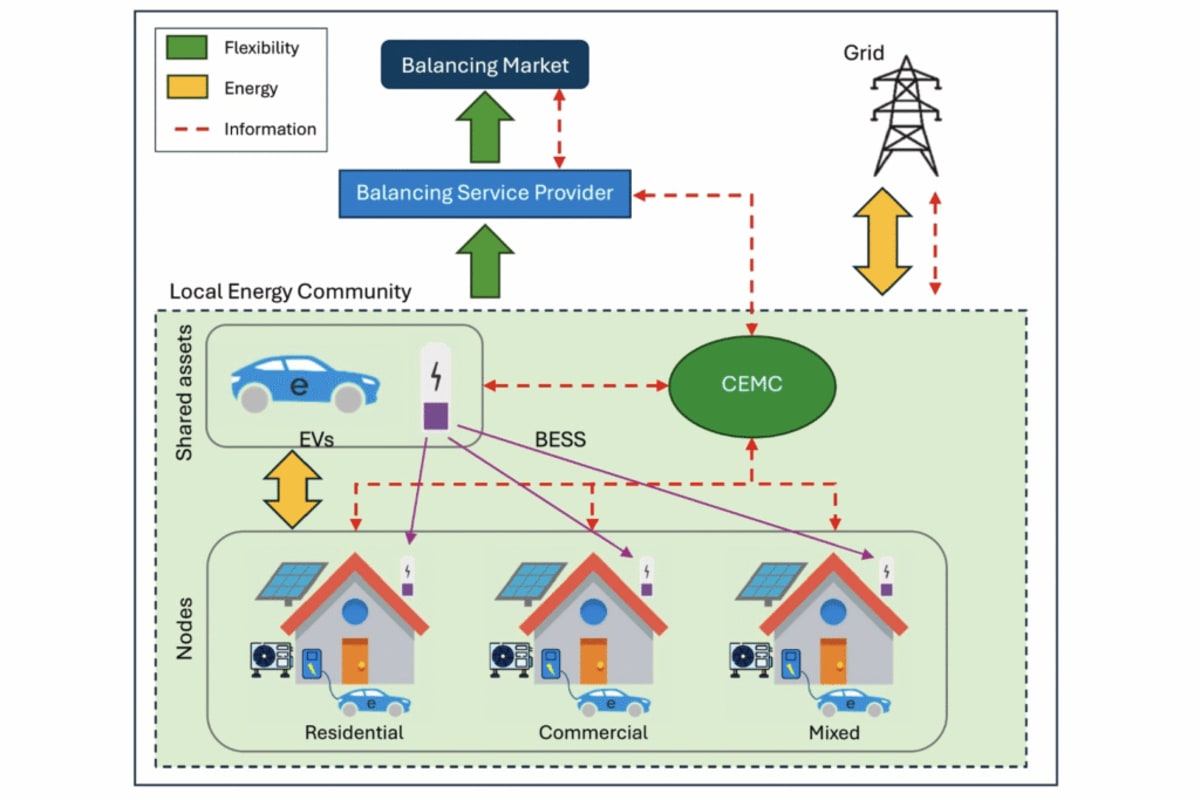
The technology manages solar panels, battery storage, electric vehicle charging, and heat pumps simultaneously. It decides when to store energy, when to sell it back to the grid, and when to use it, all while keeping your house comfortable and your EV charged.
Lead researcher Nikolaos Damianakis says the system tackles a problem that's kept home batteries from catching on: they're expensive, and just storing solar power for later hasn't been worth the cost. The new approach changes that math entirely.
The system makes money three ways instead of one. It buys and sells electricity when prices swing, helps balance the power grid's frequency, and responds to requests from utilities during times of high demand. This triple revenue stream finally makes battery storage financially attractive.
The team tested their technology in both rural and urban settings across summer and winter conditions. They simulated real neighborhoods with different mixes of homes and businesses to see how well it performed.
The Bright Side
One surprising discovery challenges conventional wisdom about battery placement. Previous research suggested scattering small batteries throughout neighborhoods, but the Dutch team found something better: one larger battery installed near the main grid connection works more efficiently.
This centralized approach reduces power losses during transmission and cuts installation costs. Because the system helps regulate frequency across the entire grid, not just local power needs, bigger really is better in this case.
The timing couldn't be more perfect. Energy prices have become increasingly volatile, and the same goes for payments utilities make for grid services. What didn't pencil out financially five years ago now generates substantially higher earnings, Damianakis explains.
The research team published their findings in Sustainable Energy, Grids and Networks. Their mathematical optimization model updates continuously in real time, adjusting to changing weather, electricity prices, and household needs throughout the day.
For homeowners investing in solar panels and batteries, this breakthrough offers a clear path to positive returns. For utilities struggling to balance renewable energy's unpredictability, it provides flexible resources exactly when needed. And for neighborhoods worried about grid congestion, it delivers smart coordination that prevents overloads.
The system represents more than just better software. It's proof that our clean energy future doesn't require choosing between affordability and sustainability.
More Images


Based on reporting by PV Magazine
This story was written by BrightWire based on verified news reports.
Spread the positivity!
Share this good news with someone who needs it