Dyslexia Study Rewrites Understanding After 40 Years
New research on 780 million people with dyslexia reveals it's not caused by a single faulty gene but by broader brain networks. This breakthrough could transform how we identify and help people with reading difficulties.
Scientists just turned 40 years of dyslexia research on its head, and the discovery could change how we help nearly 780 million people worldwide who struggle with reading.
University of Houston psychology professor Elena Grigorenko challenged the long-held belief that dyslexia stems from one broken gene. Instead, her team discovered it involves complex brain networks that have been evolving for millions of years.
The researchers combed through four decades of genetic studies on reading disorders, cataloging 175 genes associated with dyslexia. What they found surprised everyone in the field.
These genes aren't reading-specific at all. They're ancient, predating human reading by millions of years, even though humans only started reading around 3000 BCE in Mesopotamia.
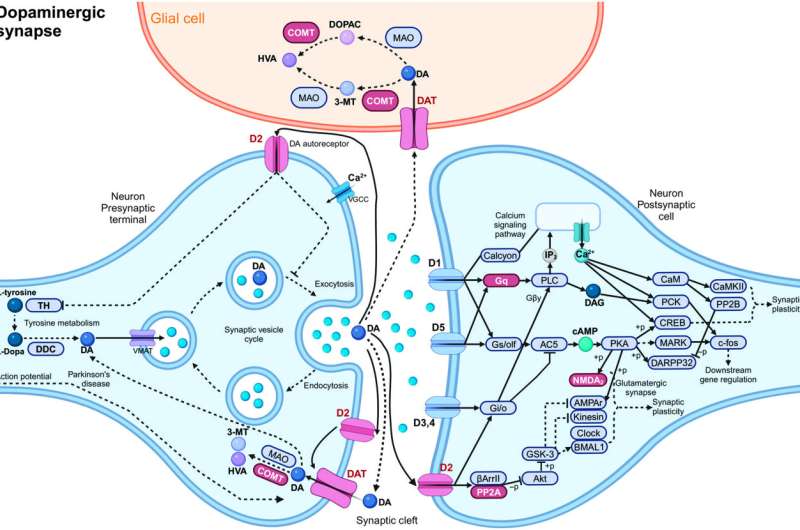
The study identified two distinct groups of genes that contribute to reading difficulties. The first group activates early in fetal development, around the time the brain's basic structure forms. The second switches on later, around the 24th week of pregnancy, helping brain cells communicate with each other.
This means reading difficulties might have two different origins: one related to how the brain is built, and another to how it functions. Both processes involve evolutionarily ancient mechanisms working within uniquely human brain architecture.
Pavel Dobrynin, the study's first author, pointed out something fascinating. Many of these genes sit near DNA stretches that evolved rapidly in humans compared to other species. The genes themselves are old, but how and when they activate may be uniquely human.
The Bright Side
This discovery opens exciting new doors for helping people with dyslexia. Understanding that reading difficulties stem from broader neurodevelopmental processes rather than a single defect means researchers can explore multiple approaches to identification and treatment.
The findings suggest dyslexia is part of a broader neurodevelopmental spectrum, not an isolated condition. This perspective could lead to more personalized and effective interventions for the 20% of the world's population affected by reading challenges.
The research team published their findings in the Journal of Speech, Language, and Hearing Research, providing the most comprehensive look yet at the genetic basis of dyslexia.
Better understanding means better help is coming for millions who face lifelong reading challenges.
More Images


Based on reporting by Medical Xpress
This story was written by BrightWire based on verified news reports.
Spread the positivity!
Share this good news with someone who needs it