Earth and Mars Are Planetary Siblings, Scientists Confirm
New research reveals Earth and Mars formed from nearly identical cosmic material, rewriting our understanding of how our planet came to be. The discovery shows Jupiter's gravity kept Earth local, building almost entirely from inner Solar System dust.
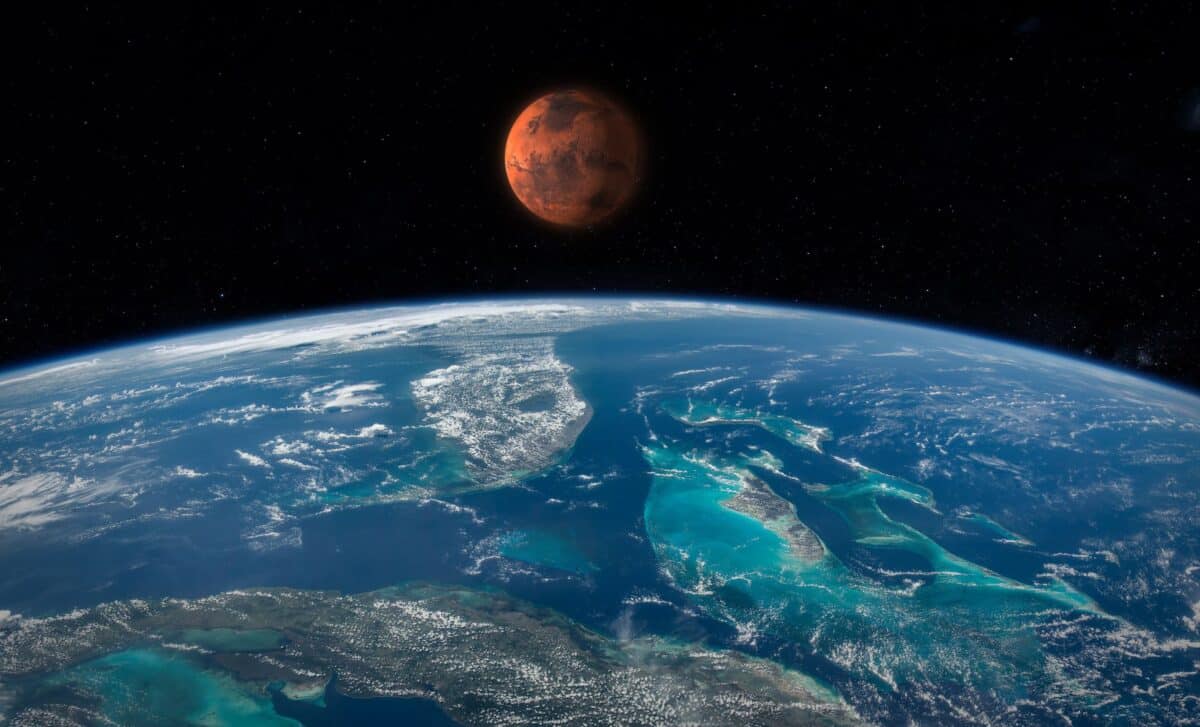
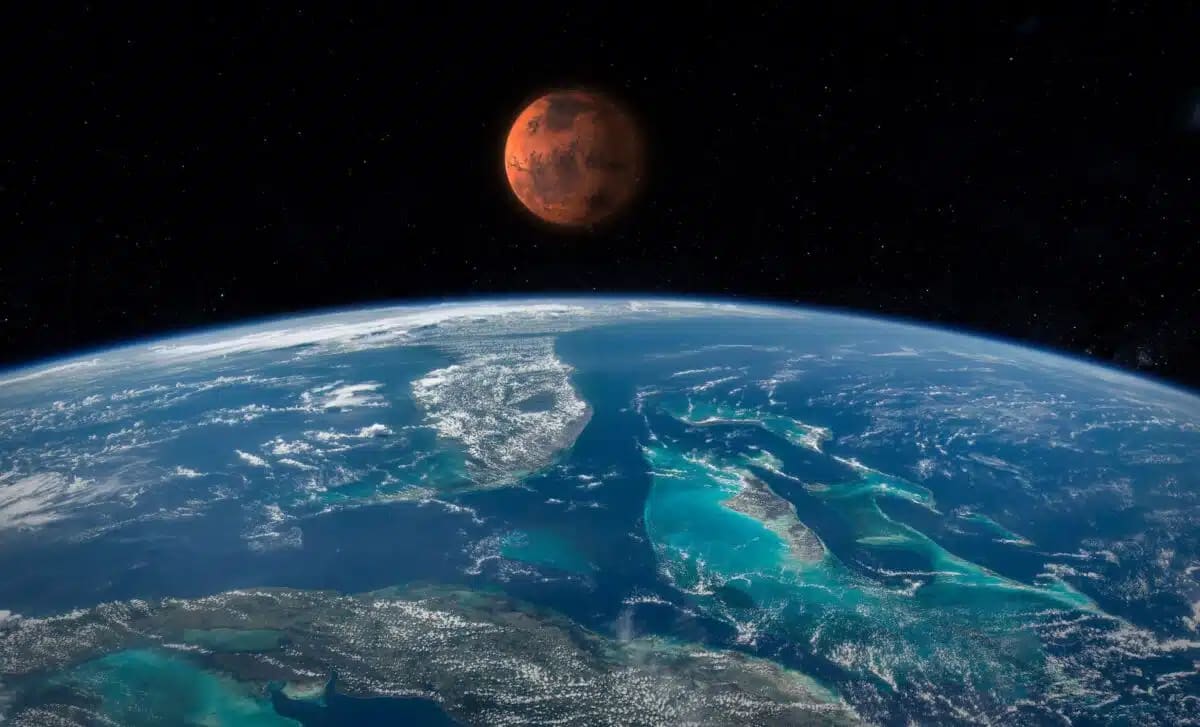
Scientists just confirmed something remarkable: Earth and Mars are cosmic siblings, built from the same neighborhood materials billions of years ago.
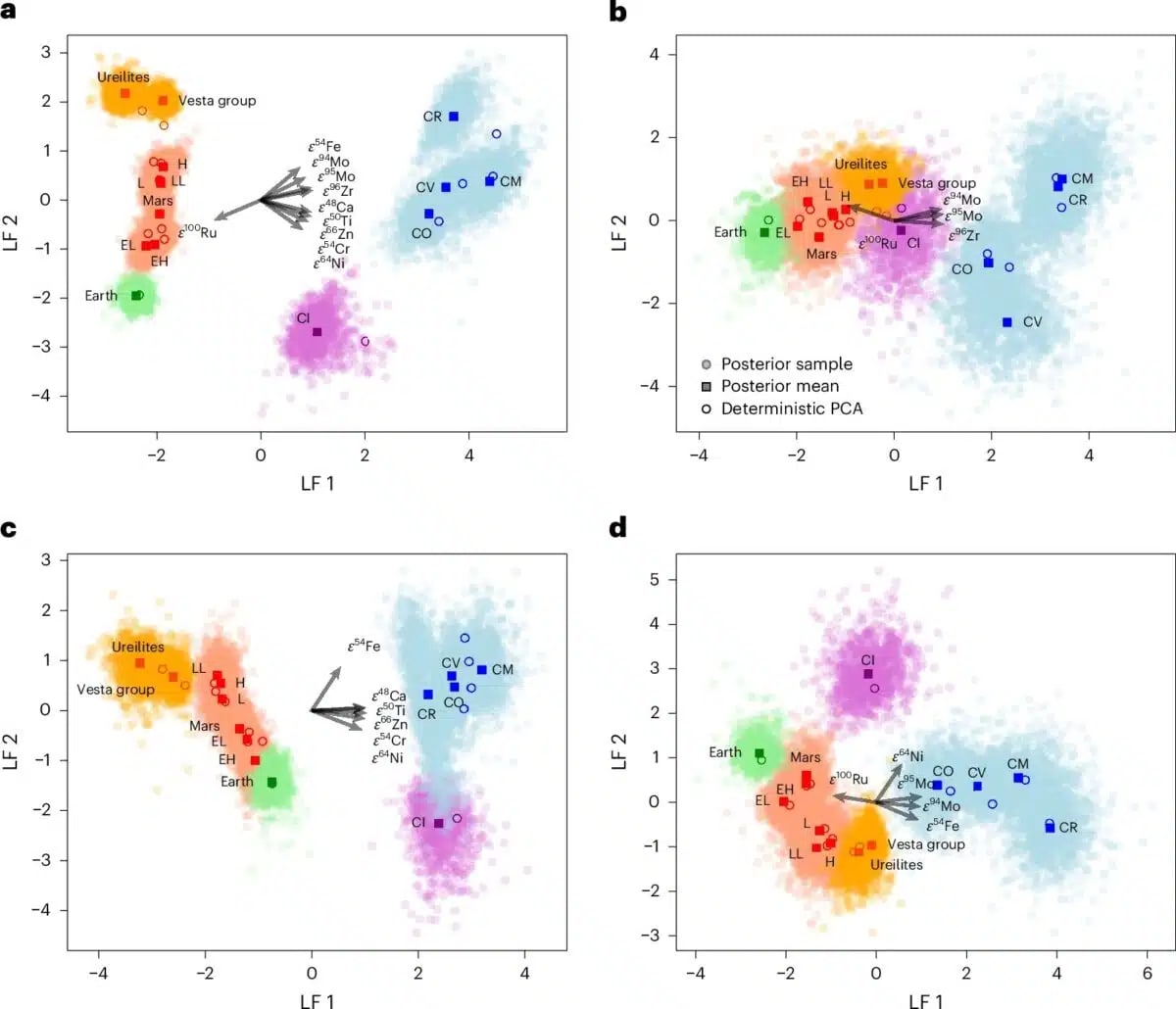
Researchers Paolo Sossi and Dan Bower analyzed ancient meteorites from Mars and the asteroid Vesta, comparing their chemical fingerprints to Earth's composition. What they found challenges decades of assumptions about where our planet's building blocks came from.
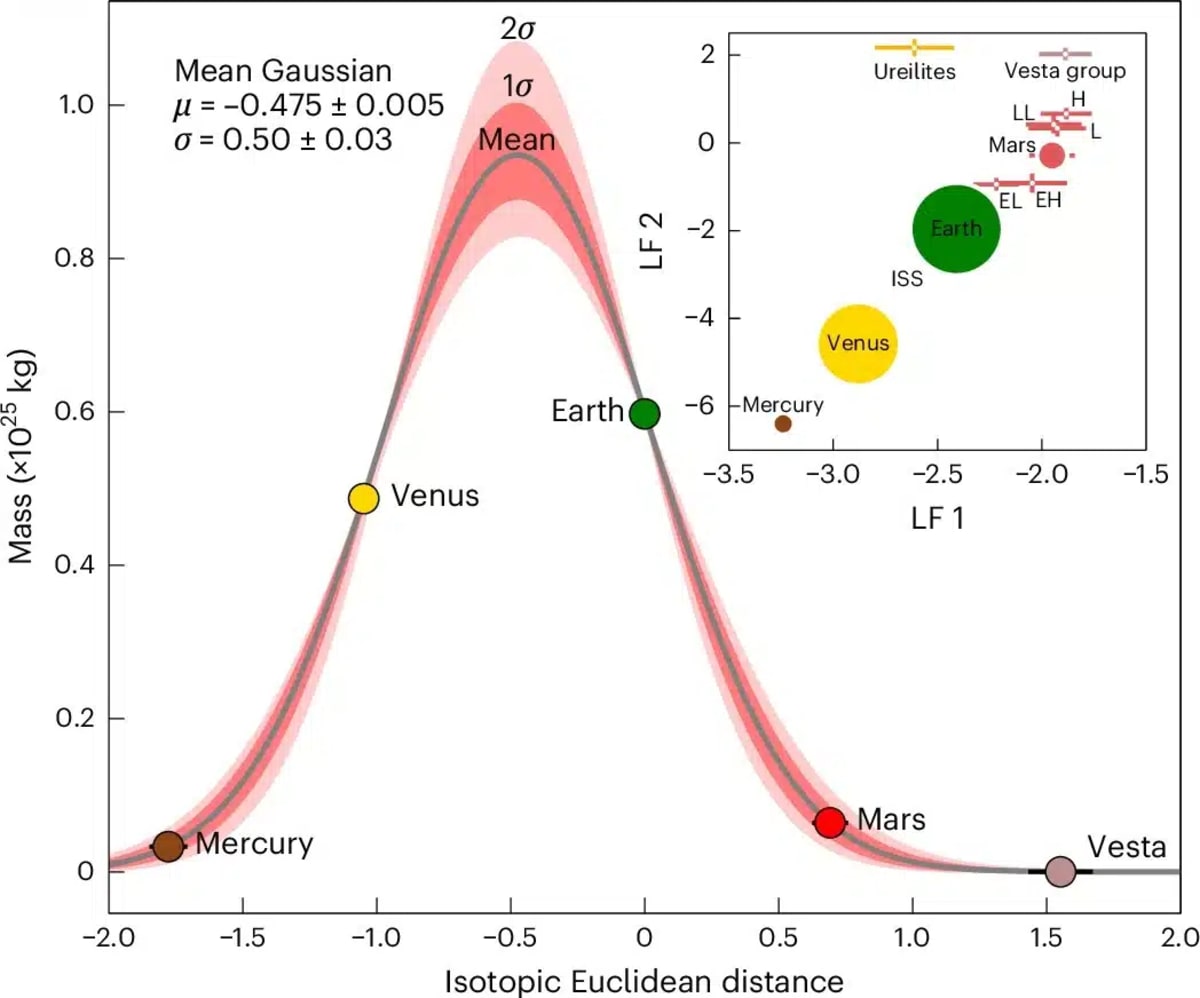
The team discovered that Earth formed almost entirely from material in the inner Solar System. Less than 2% of our planet's mass came from beyond Jupiter's orbit, and possibly none at all.
The secret lies in isotopes, which are like chemical barcodes that reveal where material originated. By running sophisticated statistical analyses on meteorite samples, the researchers traced Earth's ingredients back to their source.
Jupiter played a surprising role in Earth's formation. The giant planet's gravity created a gap in the young Solar System's dust disc, acting like a cosmic barrier that prevented outer Solar System material from mixing inward.
This separation meant Earth, Mars, and Vesta all grew from the same stable, local supply of material. The researchers found that Venus and Mercury likely follow the same pattern, though direct samples from those planets remain out of reach.
The Bright Side
This discovery gives scientists a clearer picture of how rocky planets grow from cosmic dust. Instead of relying on assumptions about processes we don't fully understand, the team based their calculations purely on observational data, making the results more reliable.
The findings also help explain how volatile elements like water got distributed across the inner planets. Understanding this distribution is crucial for knowing why Earth became habitable while Mars dried out.
Sossi notes that this research lets scientists theoretically predict the composition of Venus and Mercury, opening new doors for planetary science. The statistical methods they used are rarely applied in geochemistry, despite being powerful tools for unlocking cosmic secrets.
The researchers acknowledge their work sparks more questions than it answers. Sossi and Bower expect many heated debates ahead about Earth's building blocks, and they welcome the conversation.
This discovery proves that sometimes the most profound truths come from looking closely at what's been right in front of us all along.
More Images
Based on reporting by Google News - Scientists Discover
This story was written by BrightWire based on verified news reports.
Spread the positivity!
Share this good news with someone who needs it
%2Fhttps%3A%2F%2Ftf-cmsv2-smithsonianmag-media.s3.amazonaws.com%2Ffiler_public%2F3f%2F55%2F3f5579c8-c4a7-43a5-bb54-6498478792fd%2Fhelix1940__fitmaxwzk3mcw2ntbd.jpg)