Earth's Underground Fungi Could Reach Beyond Solar System
Scientists just mapped the world's hidden fungal networks for the first time, revealing 110 quadrillion kilometers of threads that connect plants and store 1 billion tons of carbon annually. These underground partnerships are keeping our planet cooler while feeding 80% of the world's plants.
Beneath your feet right now, an invisible network 110 quadrillion kilometers long is quietly keeping the planet cooler and plants healthier. If you connected all those fungal threads in a single line, they'd stretch almost a billion times the distance between Earth and the sun.
For decades, scientists knew these arbuscular mycorrhizal fungi existed and partnered with plants. But they'd never mapped where these networks are or how much carbon they're storing until now.
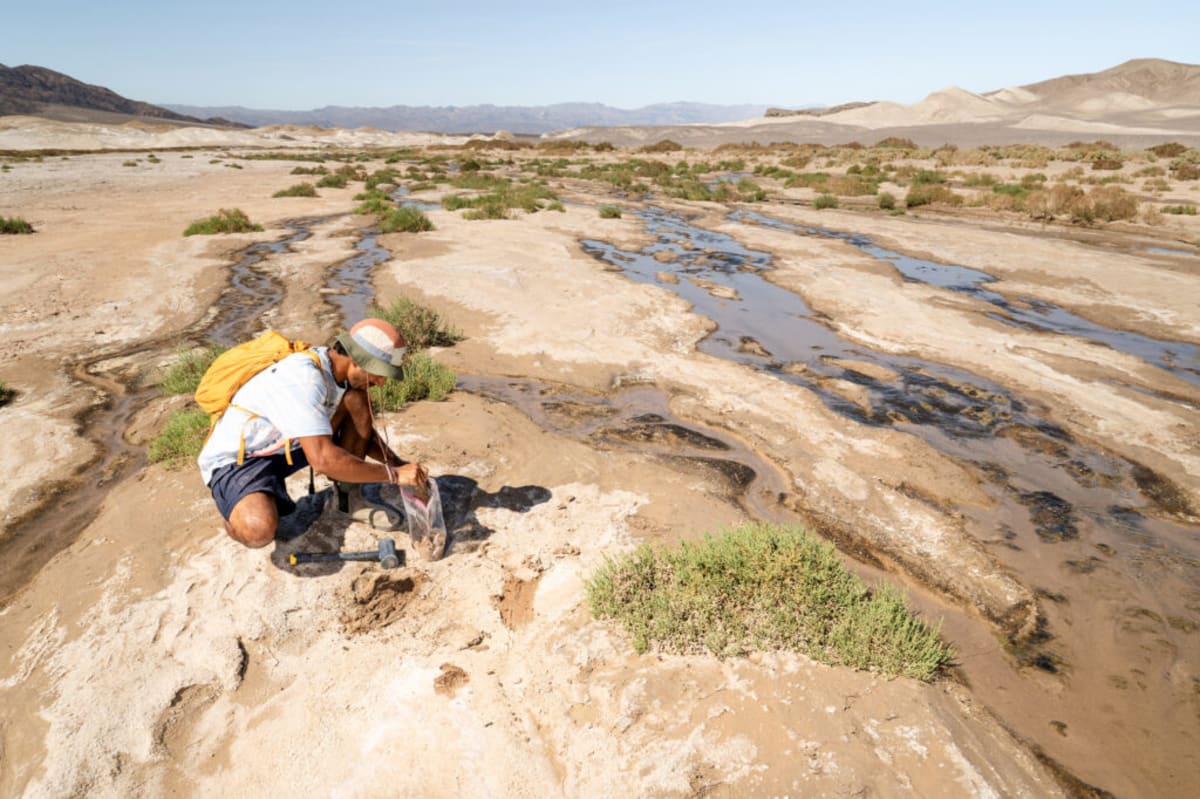
A new study published in Science used soil samples from around the globe, machine learning, and laboratory testing to create the first worldwide map of these underground systems. The research was led by SPUN, an organization founded specifically to map these fungal networks.
Here's how the partnership works: the fungi wrap around plant roots and trade nutrients like phosphorus and nitrogen for carbon from the plants. That carbon gets stored underground instead of warming our atmosphere.
The mapping revealed where these networks are thriving and where they're disappearing. Grasslands host some of the densest fungal networks, while agricultural areas are losing them at alarming rates.
"This is the moment where we went from knowing that this system exists to really knowing where it is, how dense it is and where it's been," said Toby Kiers, executive director and co-founder of SPUN.
The fungi form relationships with roughly 80% of the world's plant species. Think of them as the internet of the natural world, connecting plants and delivering what they need to survive.
Why This Inspires
James Bever, a professor at the University of Kansas who studies plant and microbe interactions, said the study helps us understand how important underground organisms are to everything we see above ground. We've been walking over one of nature's most powerful carbon storage systems without even knowing its full extent.
Now that scientists can see where these networks are densest, they can better protect them. Every kilometer of fungal thread represents a tiny climate solution already at work beneath our feet.
This invisible world has been supporting life on Earth all along, quietly doing the work of feeding plants and cooling our planet, one microscopic thread at a time.
Based on reporting by Inside Climate News
This story was written by BrightWire based on verified news reports.
Spread the positivity!
Share this good news with someone who needs it