East Africa Farmers Plant 28 Million Trees and Counting
More than 265,000 smallholder farmers across East Africa have planted over 28 million trees on their own land, restoring degraded soil while earning income from carbon credits. The grassroots movement gives farmers free trees and pays them directly for fighting climate change.
📺 Watch the full story above
Smallholder farmers in East Africa are turning barren land green again, one seedling at a time, and they're getting paid to do it.
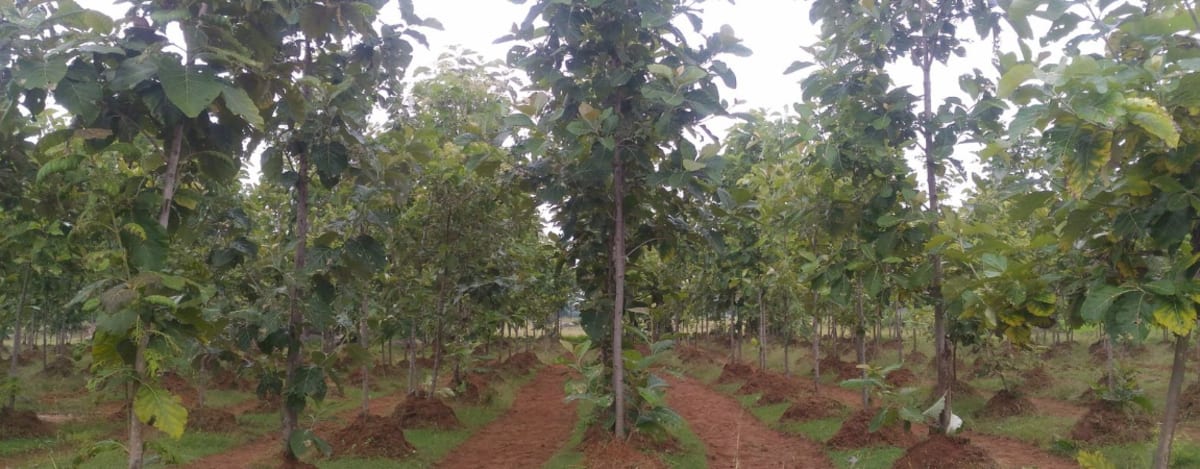
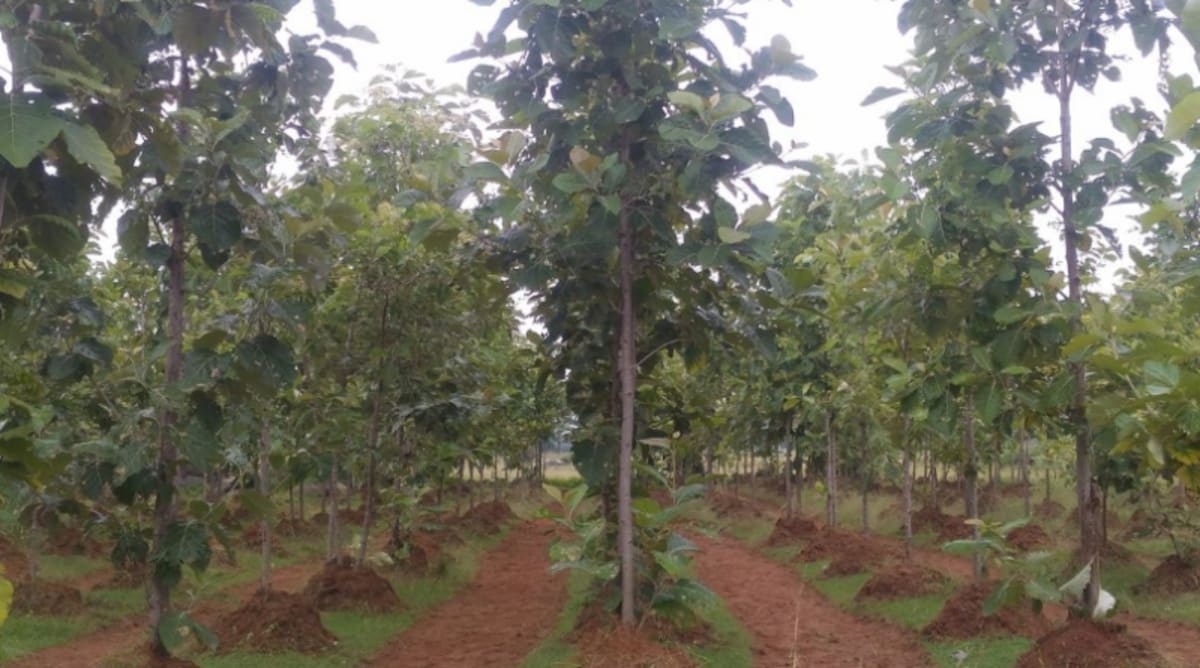
Through the Giving Trees initiative run by nonprofit Cool Effect, over 265,000 farmers have planted more than 28.3 million trees on their own farms. The farmers join voluntarily, grow their own seedlings from seeds or cuttings shared within their communities, and plant them using traditional agroforestry techniques.
The program flips the usual charity model on its head. Instead of wealthy countries simply funding tree planting, farmers receive 70% of the profits from carbon credits their trees generate. They choose which trees to plant based on what works best for their local soil and needs.
The benefits extend far beyond carbon removal. The trees restore soil health, reduce erosion, and improve crop yields on degraded farmland. Many provide fruit, timber, and fuelwood that families can use or sell.
Every tree gets tracked using GPS technology for at least 30 years, creating transparent records anyone can view online. While not every seedling survives drought or grazing, farmers plant multiple trees and actively care for them, knowing their efforts translate into real income.
Women make up a significant portion of participants, creating new economic opportunities in their communities. Some farmers have even turned seedling cultivation into small businesses, selling young trees to neighbors who want to join the program.
The Ripple Effect spreads naturally through word of mouth as farmers see visible improvements on their neighbors' land. The success stories convince others to form small groups and start planting, creating a self-sustaining cycle that doesn't depend on constant outside funding.
The model addresses urgent local needs while tackling global climate challenges. Farmers gain resources for nutrition and clean cooking fuel while removing carbon from the atmosphere through nature-based solutions that actually work.
Trees that reach maturity often live well beyond the 30-year monitoring period, and farmers regularly propagate new seedlings from them. This creates generations of trees that continue benefiting communities and the planet long after the initial planting.
The program continues expanding as more farmers learn about the tangible benefits and carbon credit revenue. Growth happens organically through community networks and the visible proof that healthy land creates healthier, more prosperous communities.
Twenty-eight million trees represent more than just numbers on a climate report—they're fruit on family tables, shade over crops, and hope taking root in African soil.
More Images
Based on reporting by Google News - Reforestation
This story was written by BrightWire based on verified news reports.
Spread the positivity!
Share this good news with someone who needs it