East Africa Taps Faith Financing to Help Displaced Women
A new initiative in East Africa is unlocking Islamic philanthropy to better support displaced women through community-based funding and women-led governance. The approach combines centuries-old charitable traditions with modern humanitarian frameworks to create sustainable, locally trusted support systems.
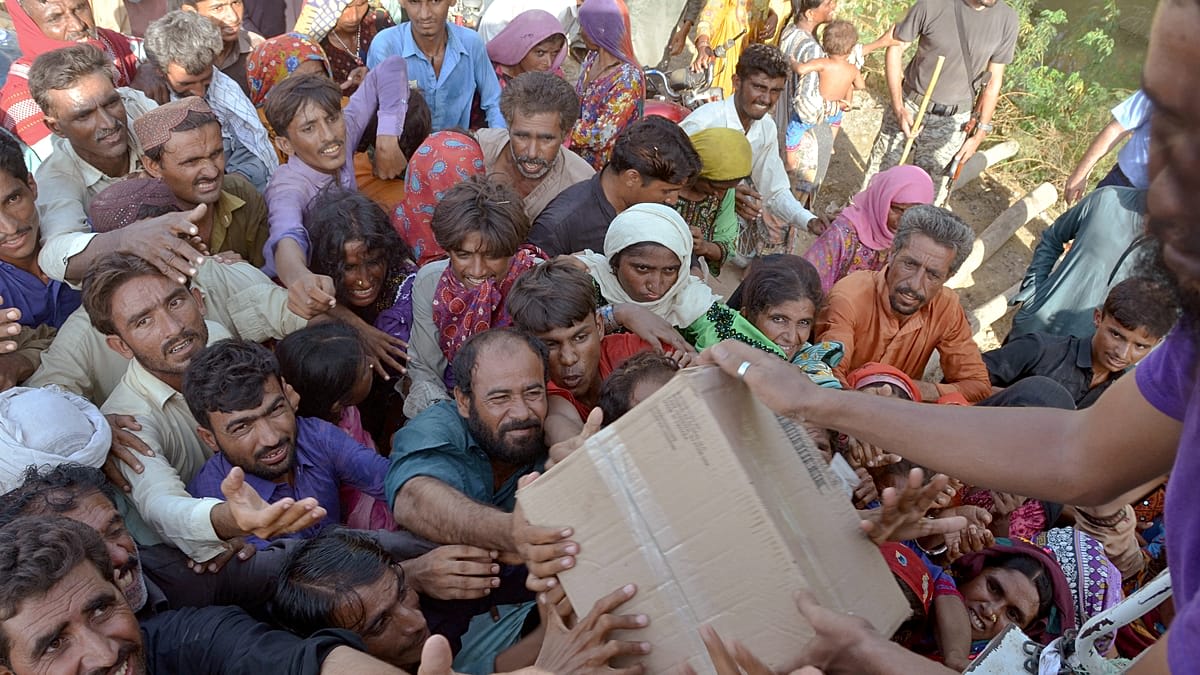
Displaced women across East Africa are gaining access to a powerful new lifeline that's actually centuries old.
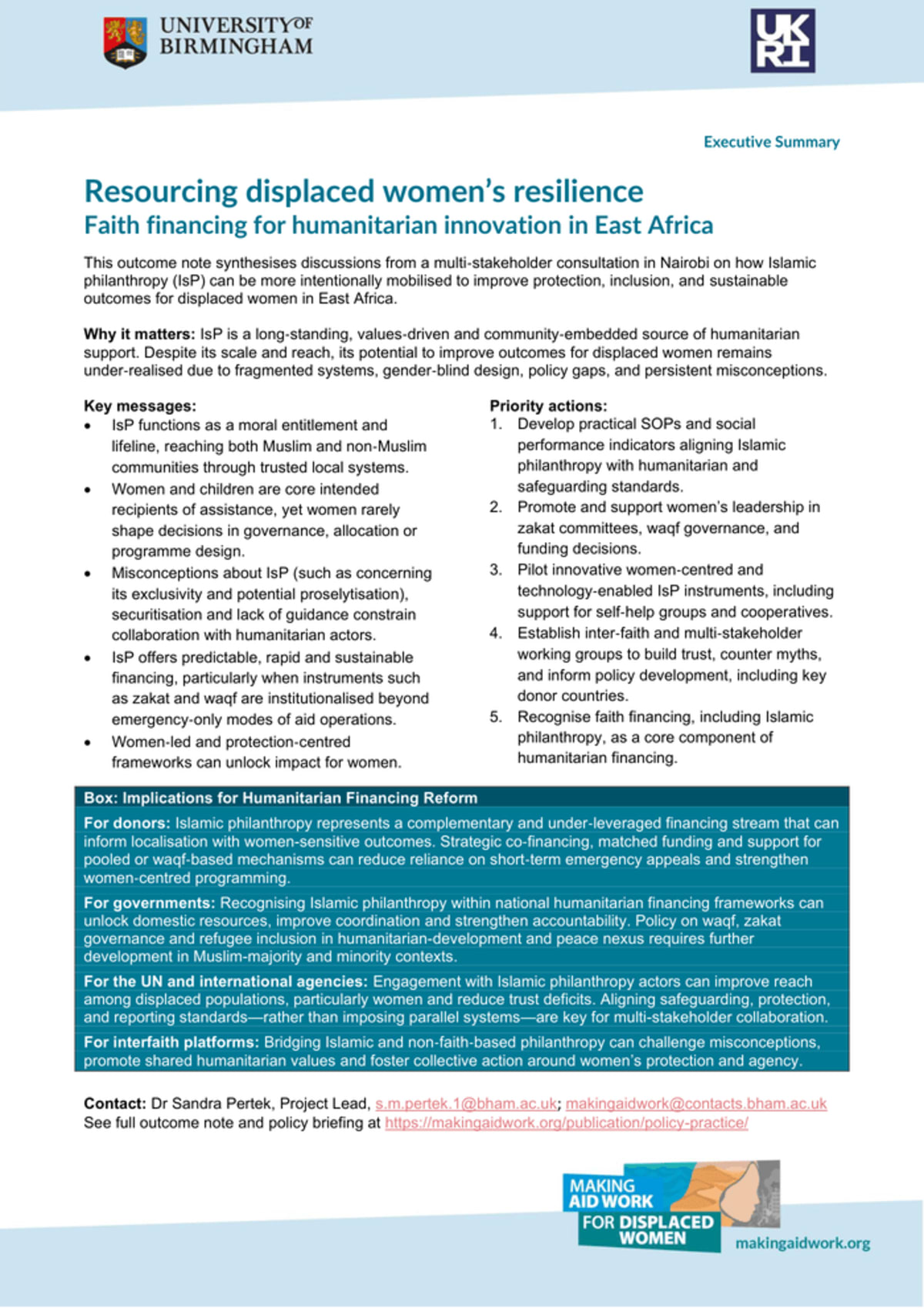
A groundbreaking multi-stakeholder consultation in Nairobi brought together humanitarian leaders to explore how Islamic philanthropy can be intentionally mobilized to support displaced women. The initiative addresses a surprising gap: despite the massive scale of faith-based giving in the region, displaced women rarely have a voice in how these funds are distributed.
Islamic philanthropy operates through established charitable instruments like zakat (obligatory giving) and waqf (endowment funds) that have supported communities for generations. These systems reach both Muslim and non-Muslim communities through trusted local networks, offering rapid response and sustainable financing beyond typical emergency-only aid.
The challenge has been fragmentation. Women and children are the core intended recipients of assistance, yet women almost never shape decisions in governance, allocation, or program design. Misconceptions about faith-based funding and a lack of coordination with international humanitarian systems have left enormous potential untapped.
Now that's changing. The consultation identified five priority actions to transform how Islamic philanthropy serves displaced women. These include developing practical guidelines that align faith-based giving with humanitarian safeguarding standards, and actively promoting women's leadership in zakat committees and waqf governance.
The initiative also proposes piloting innovative, technology-enabled instruments specifically designed around women's needs. This includes support for self-help groups and cooperatives that put financial decisions directly in women's hands.
Why This Inspires
What makes this approach powerful is its foundation in existing community trust. Islamic philanthropy isn't a new system being imposed from outside. It's a values-driven, community-embedded tradition that already functions as a moral entitlement and lifeline for millions.
By centering women in the governance and design of these programs, the initiative recognizes that those closest to the challenges often hold the best solutions. When women lead funding decisions, resources flow more effectively to protection, inclusion, and sustainable outcomes.
The vision extends beyond East Africa. Organizers are establishing inter-faith and multi-stakeholder working groups to build trust, counter myths, and inform policy development across key donor countries. They're advocating for faith financing to be recognized as a core component of humanitarian funding globally.
For displaced women who've faced fragmented support and little say in their own futures, this represents more than new funding streams. It's about dignity, agency, and communities coming together through shared values to create lasting change.
Based on reporting by Google News - Africa Innovation
This story was written by BrightWire based on verified news reports.
Spread the positivity!
Share this good news with someone who needs it