Ebola Testing Clears 790 Suspected Cases in Central Africa
Health officials in central Africa just cleared nearly 800 people from the suspected Ebola list after testing showed they had other treatable illnesses. The dramatic drop from 906 to 116 suspected cases shows how effective disease surveillance and rapid testing can protect communities during outbreaks.
When the World Health Organization announced 906 suspected Ebola cases in central Africa last week, fear rippled through communities already devastated by conflict and poverty. This week brought welcome relief: rapid testing cleared 790 of those people, confirming they had treatable illnesses like malaria or meningitis instead.
The numbers now paint a clearer picture of the outbreak declared May 15 in northeastern Democratic Republic of Congo. Health officials have confirmed 321 cases in DRC with 48 deaths, plus nine confirmed cases in neighboring Uganda with one fatality.
The dramatic shift in suspected cases isn't a data error. It's actually a sign that disease surveillance is working exactly as designed. When anyone shows up at a health facility with fever or flu-like symptoms in affected areas, they immediately get counted as a suspected case and tested for Ebola.
That's especially important with the Bundibugyo strain behind this outbreak. Early symptoms look almost identical to malaria, typhoid, or flu, making quick testing crucial for both patient care and outbreak control.
Christian Lindmeier, WHO spokesman, explained that once testing ruled out Ebola, those patients dropped off the suspected list and got treatment for their actual illnesses. Meanwhile, newly confirmed cases get added to accurate tracking, helping health workers know exactly where to focus containment efforts.
The Bright Side
In the middle of a serious health crisis, this news reveals something genuinely hopeful: hundreds of people feared to have a deadly virus actually have treatable conditions. Those malaria and meningitis patients are now getting the right care instead of waiting in Ebola isolation.
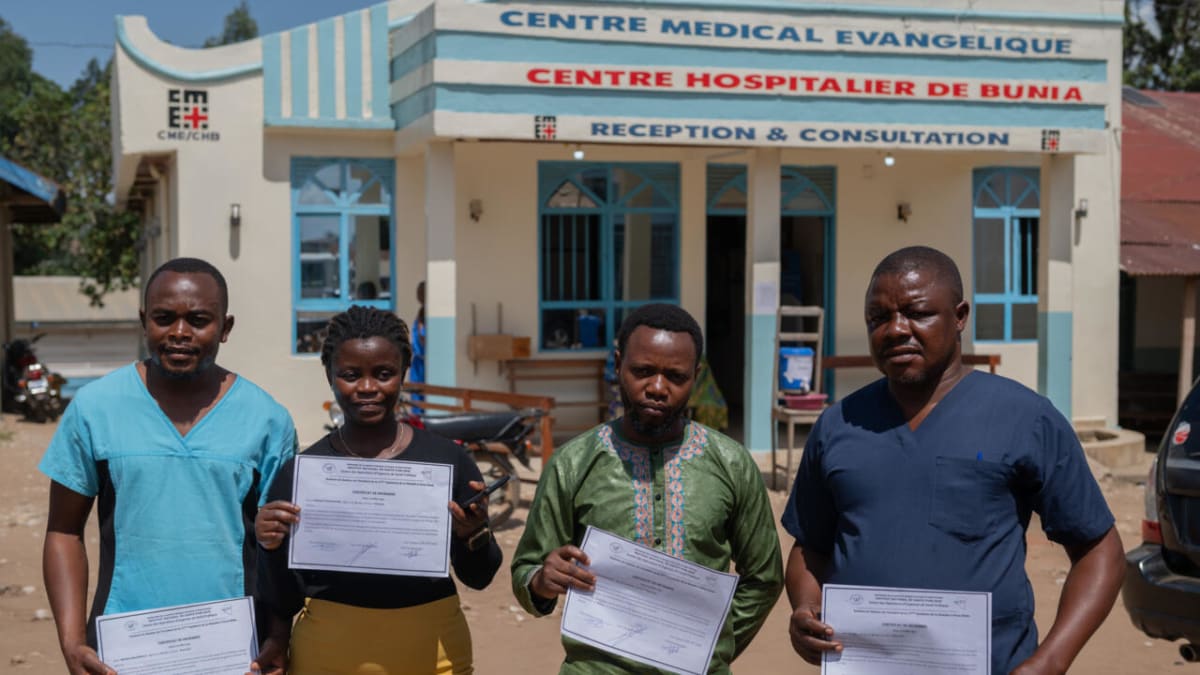
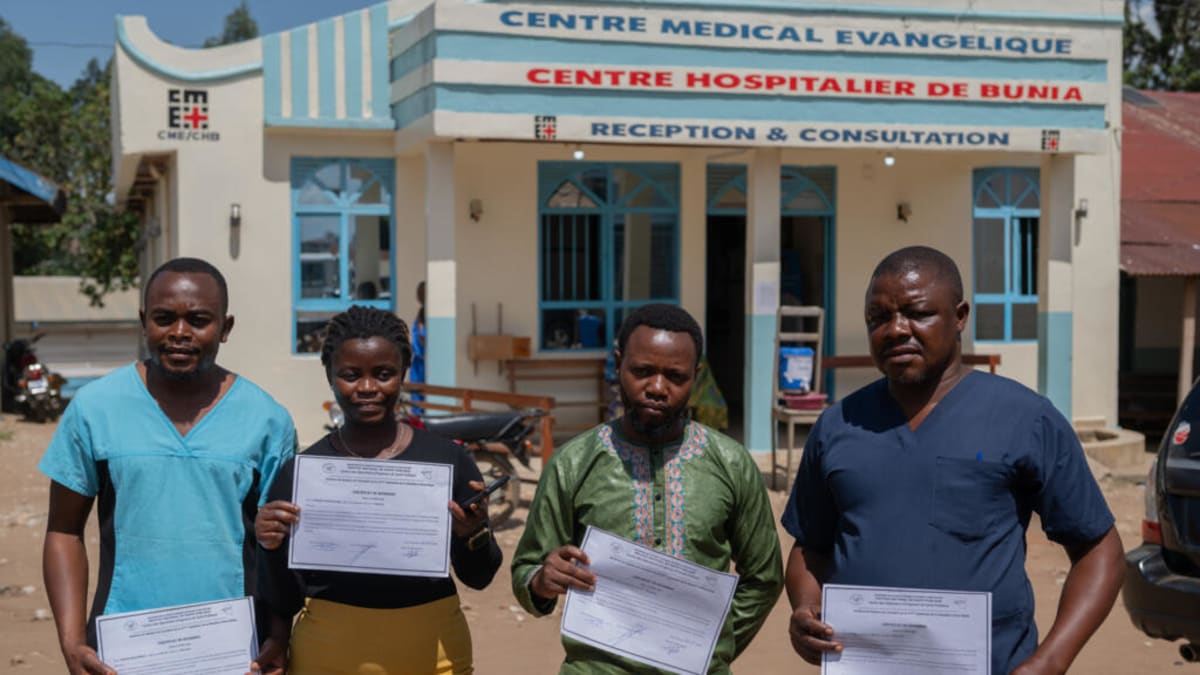
Six people confirmed with Ebola have already recovered, proving that supportive care can save lives even without a specific vaccine for this strain. Health workers who survived the virus are now back helping their communities, bringing both expertise and hope to treatment centers.
The robust surveillance system catching potential cases early means the virus is less likely to spread undetected through the region's 100 million people. Every person tested is another chance to either confirm and isolate Ebola or treat a different disease and send someone home healthy.
While 330 confirmed Ebola cases demands serious attention and resources, knowing the true scope helps health officials deploy teams effectively across DRC's conflict-affected Ituri province and protect neighboring countries.
This outbreak continues to challenge one of the world's poorest regions, but the testing capacity that cleared 790 people in days shows how far public health infrastructure has come since previous Ebola emergencies.
More Images
Based on reporting by France 24 English
This story was written by BrightWire based on verified news reports.
Spread the positivity!
Share this good news with someone who needs it