
Eco-Friendly Inhalers Work Better for COPD Patients
A UCLA study found that environmentally friendly inhalers not only eliminate harmful greenhouse gases but also improve outcomes for people with lung disease. Patients using dry powder inhalers had 14% fewer severe flare-ups than those using traditional inhalers.
Millions of people with chronic lung disease just got some genuinely good news: the inhalers that are better for the planet also work better for their health.
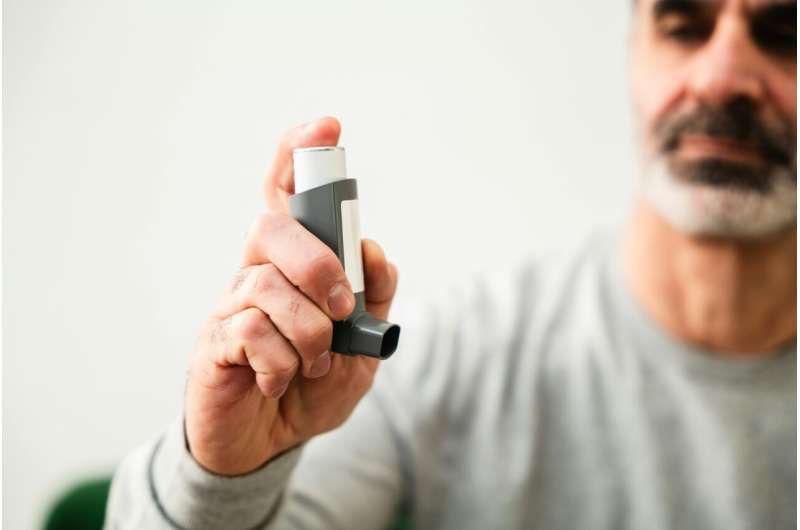
Researchers at UCLA Health studied three types of inhalers commonly prescribed for chronic obstructive pulmonary disease (COPD), a condition affecting over 16 million Americans. They discovered that eco-friendly versions outperformed traditional metered-dose inhalers while slashing carbon emissions.
Traditional metered-dose inhalers rely on propellants that are potent greenhouse gases, the same chemicals found in aerosol spray cans. Dry powder and soft mist inhalers skip these propellants entirely, making them far less harmful to the environment.
The study, published in JAMA Internal Medicine, tracked insurance claims from thousands of adults over 40 who were newly prescribed COPD inhalers between 2016 and 2025. Researchers matched similar patients and followed them to see who experienced fewer disease flare-ups and complications.
The dry powder inhaler reduced the risk of moderate or severe COPD flare-ups by 14% compared to the traditional metered-dose version. The soft mist inhaler lowered that risk by 6%.
Safety was identical across all three types. Patients experienced similar rates of heart problems, urinary tract infections, and pneumonia regardless of which inhaler they used.
Dr. William Feldman, a pulmonologist at UCLA Health who led the study, called the findings reassuring. "These inhalers are the first line treatment for many patients with COPD, so it's reassuring to see evidence that lower-emission inhalers may also be associated with slightly better clinical outcomes," he said.
The Ripple Effect
This research arrives at a crucial moment for healthcare and climate action. Previous studies have shown that inhalers contribute carbon emissions equivalent to 530,000 cars each year. Switching to dry powder or soft mist versions could significantly reduce healthcare's environmental footprint while improving patient care.
The findings echo an earlier study by the same UCLA team, which showed similar benefits for dry powder inhalers in a different medication class. The pattern is becoming clear: cleaner inhalers consistently deliver better results.
While some patients may still need traditional metered-dose inhalers for medical reasons, dry powder and soft mist versions are safe and effective options for most people with COPD. Doctors now have strong evidence to guide their prescription choices toward options that help both patients and the planet.
Sometimes the best solution for our health is also the best solution for our world.
More Images



Based on reporting by Medical Xpress
This story was written by BrightWire based on verified news reports.
Spread the positivity!
Share this good news with someone who needs it