Economic Growth in Poor Nations May Save Biodiversity
A groundbreaking University of Minnesota study flips the script on poverty and the environment. Wealthier developing countries could actually use less farmland and protect more natural habitats.
What if fighting poverty and saving nature weren't enemies, but allies? A new study from University of Minnesota researchers suggests that helping poorer countries grow their economies might be one of the best ways to protect the planet's wild places.
The research, published in the Proceedings of the National Academy of Sciences, challenges a common assumption. Many people think richer populations just eat more meat and destroy more habitat. But lead author Steve Polasky, an environmental economist, found something surprising when his team looked at global trends.
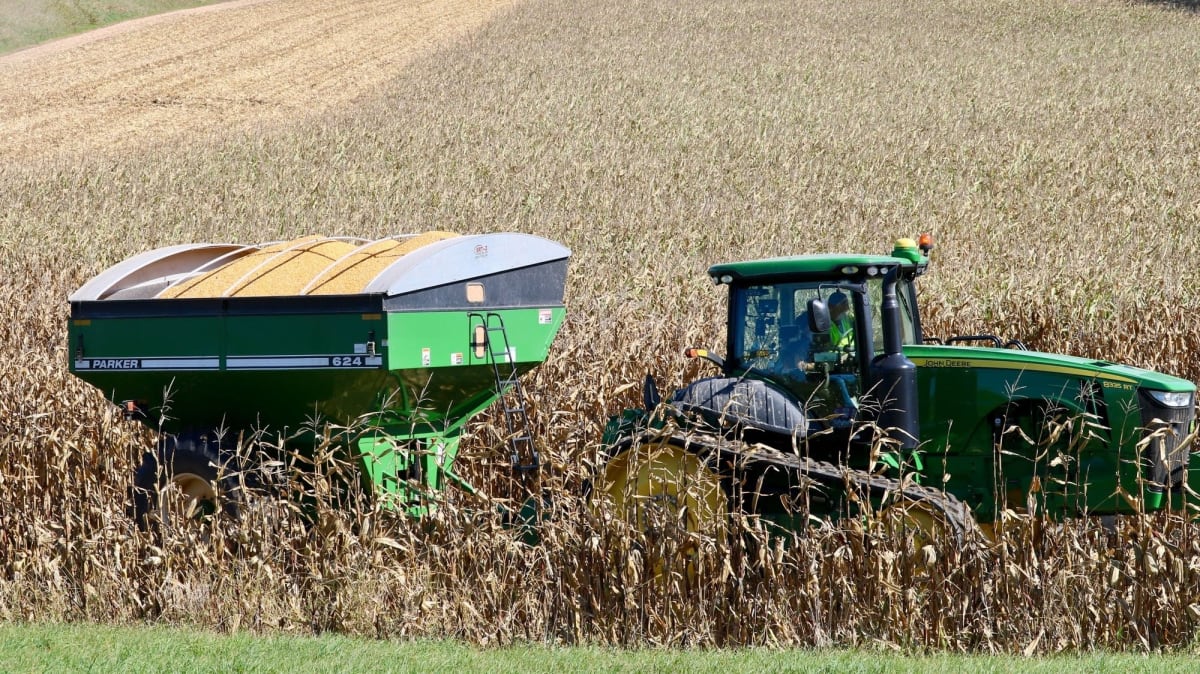
As countries get wealthier, two powerful things happen. Families have fewer children, slowing population growth. Farmers gain access to better technology and knowledge, growing more food on less land. These two forces working together can actually shrink the amount of cropland needed.
"As people become wealthier, we see this: people don't have as many children," Polasky explained. "And then there's the supply side: farmers, when they have more resources, and when they are in societies that have more resources, they do better, they increase their yields."
The pattern has already played out in the United States and China. Both countries now produce more food than ever while using less farmland. The researchers believe low-income countries could follow the same path.
The Bright Side
This finding brings real hope because it means we don't have to choose between helping people and protecting nature. It also doesn't rely on convincing billions of people to change their diets, which Polasky notes is extremely difficult.
The study points to practical steps that could work. Directing more funding toward agricultural research in developing countries could help farmers boost their yields, just like research investments did for American farmers. Freer global trade could also help by letting high-yield countries grow crops for export to other nations, reducing overall land use.
Minnesota's own agricultural success story offers a model. Decades of investment in research, development, and extension services helped farmers in Iowa and Minnesota dramatically increase their productivity. That same approach could work worldwide.
The path forward connects fighting poverty with saving biodiversity in a way that benefits everyone. When farmers have better resources and knowledge, they can feed more people while leaving more room for nature.
More Images

Based on reporting by Google News - Economic Growth
This story was written by BrightWire based on verified news reports.
Spread the positivity!
Share this good news with someone who needs it