Economist's New Book: Clean Economy Can Boost Global Growth
Leading economist Nicholas Stern argues the shift to clean energy doesn't require economic sacrifice. His latest book shows how sustainable development can create more prosperous, efficient societies while fighting climate change.
What if fighting climate change could actually make economies stronger, not weaker?
Economist Nicholas Stern tackles that question in his new book, "The Growth Story of the 21st Century." The renowned expert, whose 2006 climate report shaped global policy, now offers a detailed roadmap showing how clean energy can drive economic growth rather than slow it down.
Stern's vision centers on maintaining what he calls the four types of capital: physical, human, natural, and social. By protecting these resources, he argues, current generations can ensure future ones have even better opportunities than we do today.
The timing matters more than ever. Wars and political shifts have pushed climate action to the back burner, just as they did after the 2008 financial crisis. But Stern sees reasons for hope in falling clean energy costs, rising youth activism, and new technologies like artificial intelligence.
His book identifies concrete drivers of growth in a sustainable economy. Rapid innovation in green technology, smarter resource use, and improved public health all point toward more vibrant economies. Better transport and energy systems boost productivity while cutting emissions.
The roadmap includes three investment priorities: speeding up the energy transition, helping communities adapt to climate impacts, and protecting nature. Stern emphasizes the importance of a "just transition" that supports workers and communities affected by the shift away from fossil fuels.
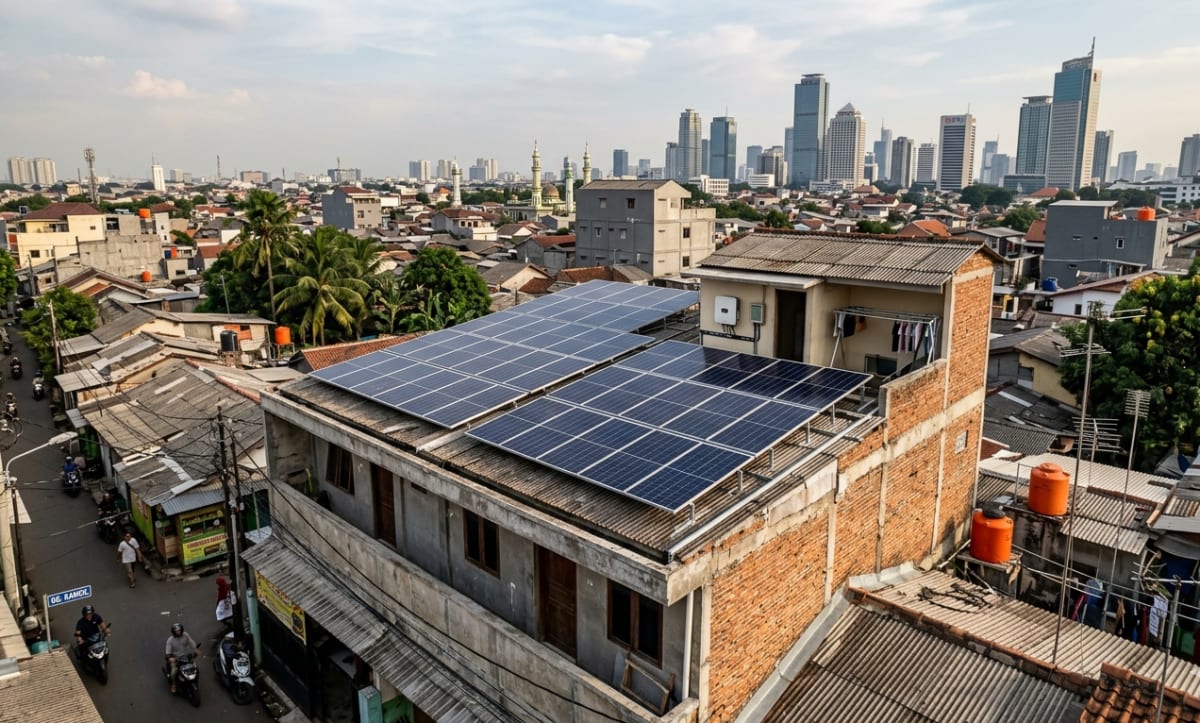
Low and middle income countries take center stage in Stern's analysis. These nations will likely experience the fastest economic growth this century, making their development choices crucial for global climate outcomes. Supporting their clean energy investments requires international cooperation on finance, technology transfer, and protecting natural resources.
The Ripple Effect
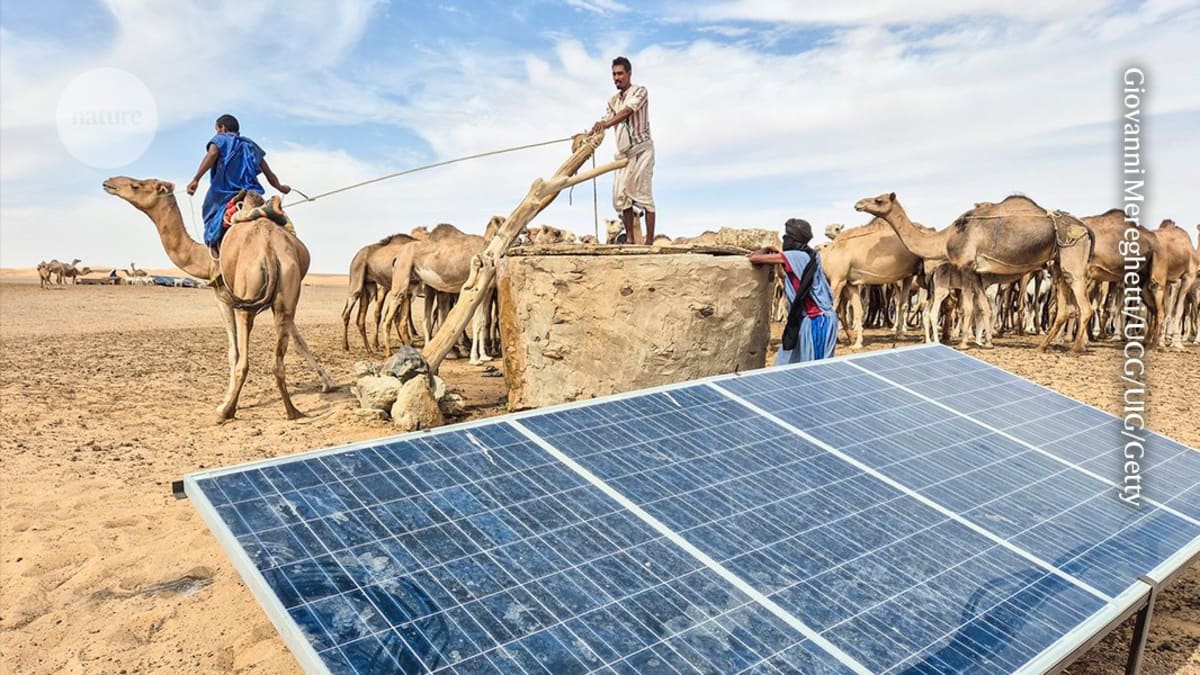
When developing nations build clean economies from the start, they skip the costly pollution phase that older industrialized countries went through. Solar panels have already become common in places like Mauritania, while mangrove restoration projects both store carbon and protect coastlines. These solutions create jobs, improve air quality, and reduce healthcare costs while tackling emissions.
Stern directly challenges mainstream economists who have portrayed climate action as incompatible with prosperity. His detailed analysis shows how sustainable development can deliver faster growth, not slower.
The book also addresses carbon removal technologies and managing temperature overshoot. With global temperatures already breaching key thresholds, Stern argues we need both aggressive emissions cuts and ways to pull carbon from the atmosphere.
His final message cuts through the pessimism: "Yes, we can." The tools exist, the economics work, and the benefits extend far beyond climate stability to healthier, wealthier societies.
More Images



Based on reporting by Nature News
This story was written by BrightWire based on verified news reports.
Spread the positivity!
Share this good news with someone who needs it