Education Powers Climate Action From Cambodia to Kenya
Communities around the world are using education to drive real environmental change, from Indigenous forest protection in Cambodia to drought-fighting tech innovation in Kenya. These grassroots efforts show how knowledge sharing creates lasting climate solutions.
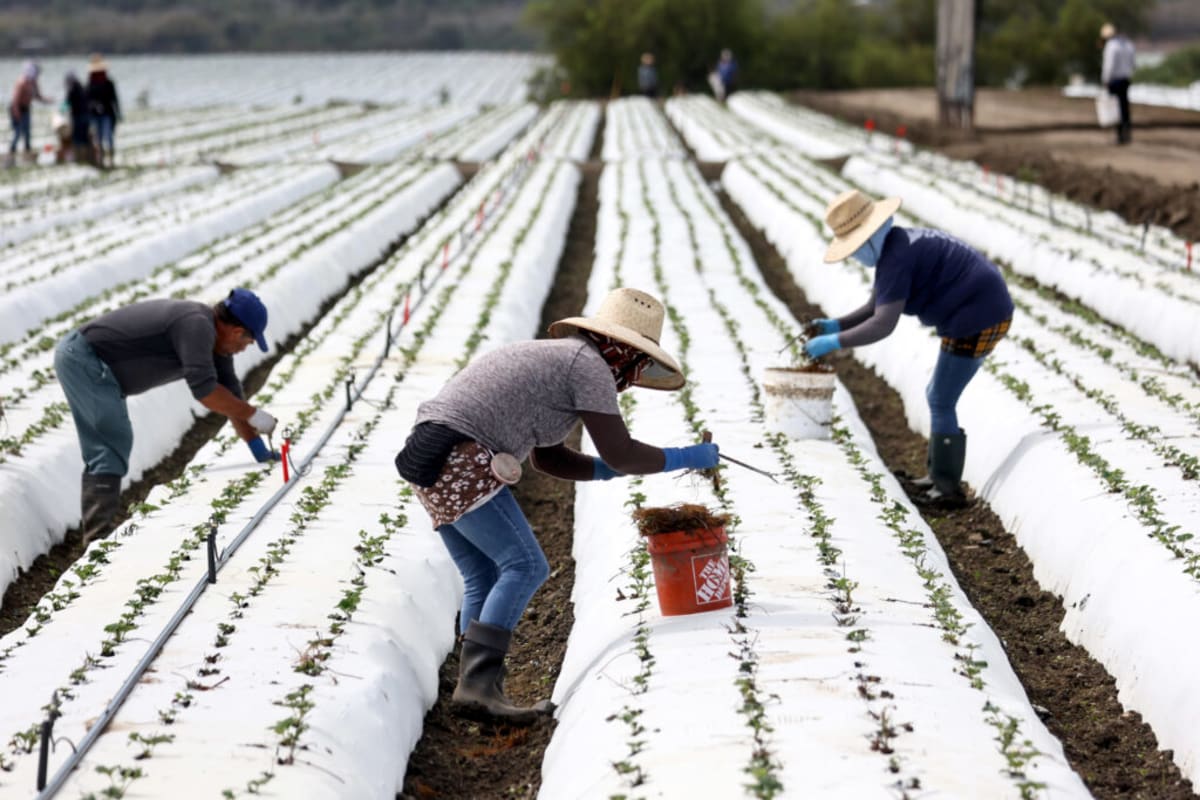
When Maryanne Gichanga decided to help Kenyan farmers fight drought, she had one guiding principle: giving up isn't an option when so many people depend on you.
Gichanga is part of a UN-supported initiative teaching farmers to use climate technology that helps them adapt to changing weather patterns. Her journey from running a family farm to becoming a climate tech educator shows how education transforms individual knowledge into community-wide action.
Across Asia, Indigenous communities in Cambodia are protecting forests and securing land rights through a different kind of learning program. Direct grants fund education initiatives that help these communities lead their own climate action, combining traditional knowledge with modern conservation strategies.
The programs work because they put local people in charge. Indigenous leaders learn about land management policies, legal rights, and sustainable practices, then share that knowledge throughout their communities.
Kenya is taking education-driven climate action to the national level. The country developed a blueprint that brings together government, business, science, and local communities to protect biodiversity threatened by rapid population growth and habitat loss.
This whole-of-society approach means everyone from policymakers to village leaders receives training on how their actions impact the environment. Scientists work alongside community members to create solutions that actually fit local needs.
The Ripple Effect
What started as individual education programs is creating waves of change across entire regions. Farmers who learn drought-resistant techniques teach their neighbors. Indigenous communities that secure forest protection inspire similar efforts in neighboring areas.
The model proves that environmental action doesn't require top-down mandates. When people understand the problems and learn practical solutions, they become teachers themselves, multiplying the impact far beyond the original classroom.
These initiatives share a common thread: they trust communities to lead their own change. Direct funding and education provide the tools, but local people design the solutions that work for their unique challenges.
From Cambodian forests to Kenyan farms, education is turning climate anxiety into climate action, one community at a time.
Based on reporting by Google: cooperation international
This story was written by BrightWire based on verified news reports.
Spread the positivity!
Share this good news with someone who needs it