Illinois Farm System Cuts Nitrogen 58%, Phosphorus 92%
Scientists in Illinois created a new water filter that stops both nitrogen and phosphorus pollution from farms, solving a problem that's been poisoning rivers and lakes for decades. After a year of testing, the system worked better than existing methods and could even pay for itself.
Farm runoff has been choking America's waterways with toxic algae blooms for generations, but scientists just proved a surprisingly simple fix actually works in the real world.
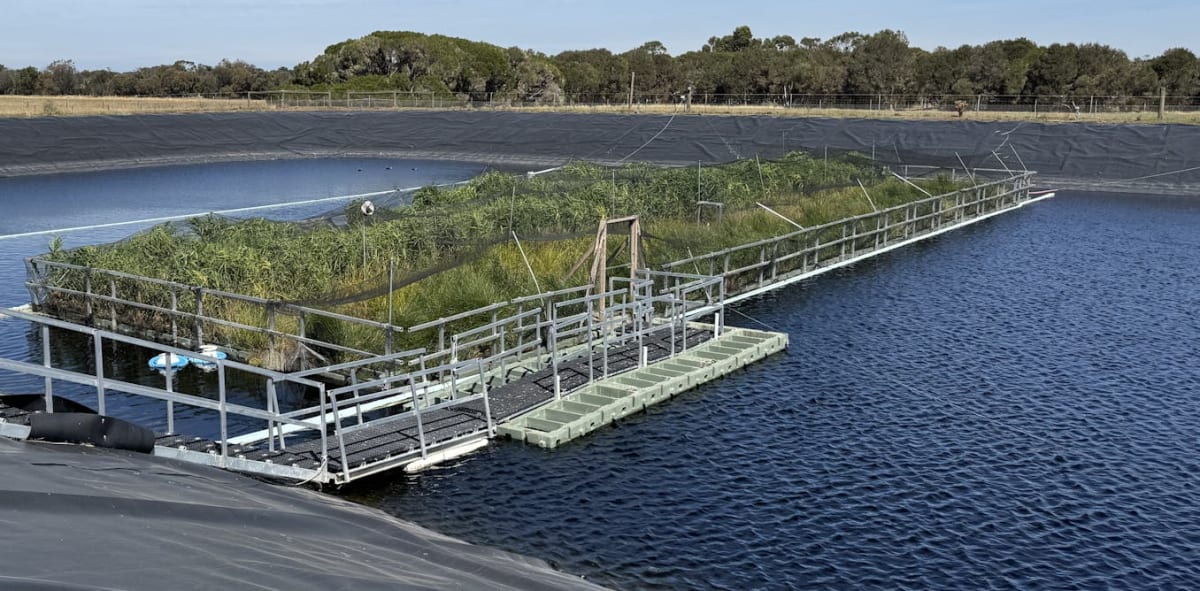
Researchers at the University of Illinois combined two natural materials into a powerful filter that sits at the edge of farm fields. After one year of real-world testing on an active farm, the system slashed nitrogen pollution by 58% and phosphorus pollution by up to 92%.
Wei Zheng and his team at the Illinois Sustainable Technology Center knew existing woodchip filters could tackle nitrogen but did nothing for phosphorus. In fact, those old systems sometimes made phosphorus pollution worse by leaching it from the wood itself.
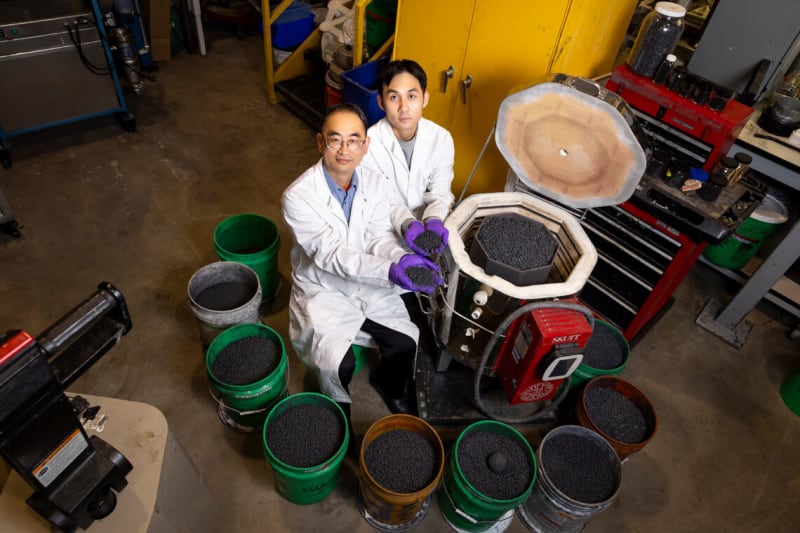
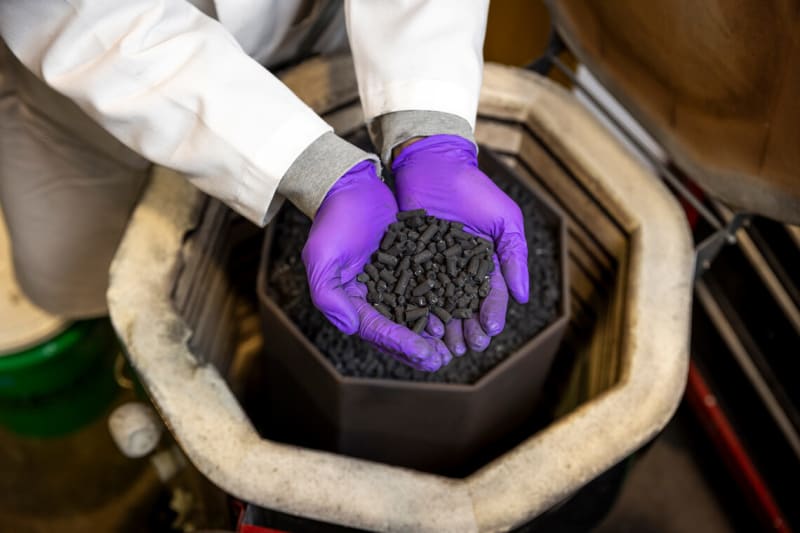
Their solution pairs a trench filled with woodchips with a second channel packed with specially designed biochar pellets. The woodchips feed bacteria that convert harmful nitrates into harmless nitrogen gas. The biochar then catches dissolved phosphorus through chemical reactions, locking it into solid compounds.
The biochar itself comes from an unlikely source. Zheng's team used lime sludge, normally a waste product from water treatment plants, and mixed it with sawdust before heating it in low-oxygen conditions. They compressed the resulting powder into pellets that stay put instead of washing away.
The Ripple Effect
This breakthrough could transform how America protects its water. Algae blooms fueled by farm runoff have created dead zones in the Gulf of Mexico, closed beaches across the Great Lakes, and poisoned drinking water in cities like Toledo, Ohio.
The system costs about $90 per kilogram of nitrogen removed and $64 per kilogram of phosphorus cleaned from drainage water each year. When researchers modeled scaling up to larger farms, those costs dropped significantly.
Even better, the spent biochar doesn't become waste. Farmers can spread it back on their fields as fertilizer since it's loaded with captured phosphorus. Adding biochar to soil may also boost crop yields and qualify farmers for carbon credits, creating multiple revenue streams to offset installation costs.
The team is already testing the system on a larger commercial farm to prove it works at scale. If successful, this edge-of-field practice could give America's 2 million farms an affordable way to stop pollution before it reaches rivers and streams.
Clean water has seemed like an impossible dream for farming communities caught between environmental regulations and economic survival. Now there's finally a solution that works for both.
More Images


Based on reporting by Google News - New Treatment
This story was written by BrightWire based on verified news reports.
Spread the positivity!
Share this good news with someone who needs it