Egypt Commits $5B to Hit 45% Renewable Energy by 2028
Egypt just signed a massive agreement to build wind farms and battery storage systems that could generate enough clean power for millions of homes. The country is racing to get nearly half its electricity from renewable sources in just two years.
Egypt is making one of the Middle East's biggest renewable energy bets, and the timeline is incredibly ambitious.
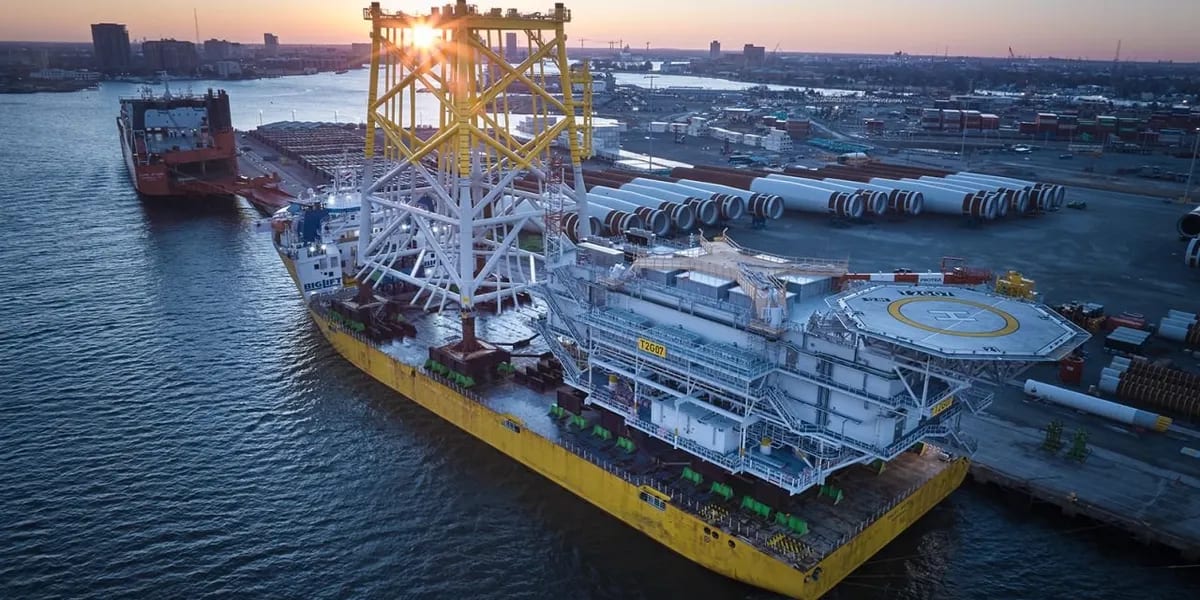
Prime Minister Mostafa Madbouly signed a deal on May 3rd that will create 4,750 megawatts of wind power across four major sites in Egypt. That's enough electricity to power roughly 3 million homes with clean energy.
The agreement between Tahya Misr Holding and Egypt's energy and finance ministries covers wind farms at the North Gulf of Suez, South Ras Shukeir, Jabal El Galala, and Northwest Zaafarana. These aren't experimental pilot projects. They're industrial-scale installations designed to fundamentally shift how Egypt powers itself.
But the wind farms are only half the story. The deal also includes massive battery storage systems with 4,000 megawatt-hours of capacity in South Cairo, Damanhour, and Wadi El Natrun.
These batteries solve one of renewable energy's biggest challenges: storing power when the wind blows strong and releasing it during peak demand. It's the difference between having clean energy sometimes and having it when people actually need it.
Minister of Electricity Mahmoud Esmat said the entire project should connect to the grid within two years. That's a remarkably fast timeline for infrastructure this large, signaling serious political commitment behind the initiative.
The move supports Egypt's national strategy to reach 45% renewable energy by 2028. Right now, the country still relies heavily on fossil fuels, but President Abdel Fattah El-Sisi has made expanding clean energy a priority.
The Ripple Effect
Egypt's push matters far beyond its borders. As Africa's third-largest economy, Egypt is showing other developing nations that massive renewable transitions are possible without waiting for perfect conditions.
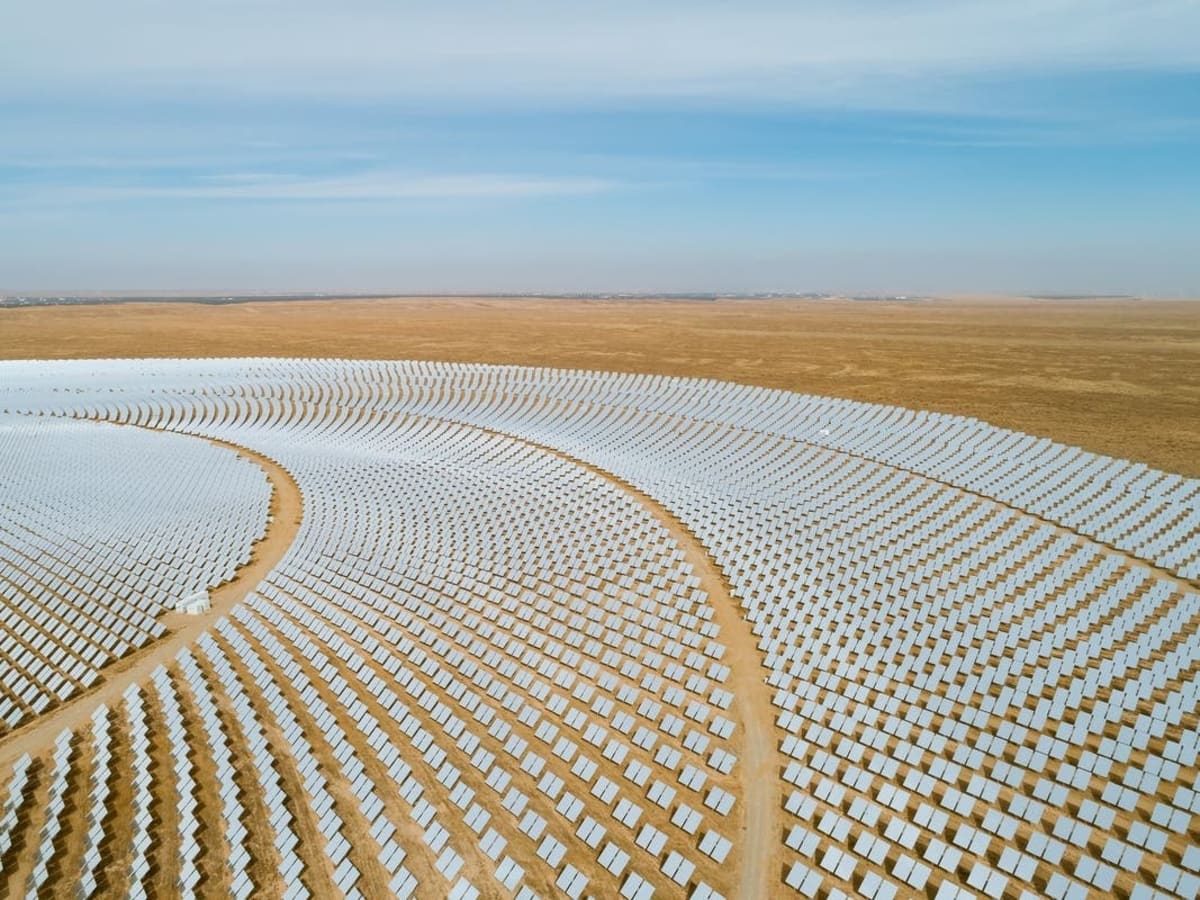
The country sits at the crossroads of Africa, Asia, and Europe, with some of the world's best wind and solar resources. Success here could inspire similar investments across North Africa and the Middle East, regions that have historically depended on oil and gas.
The deal also highlights the growing role of local capital in clean energy. Tahya Misr Holding is financing these projects in Egyptian pounds, making the initiative less vulnerable to foreign exchange volatility and keeping more economic benefits within Egypt.
For Egyptian families, cleaner air and more stable electricity prices could follow. For the planet, every megawatt that replaces fossil fuels is progress worth celebrating.
Egypt is betting big on wind and sun, and the world will be watching to see if ambition matches achievement.
Based on reporting by Google: clean energy investment
This story was written by BrightWire based on verified news reports.
Spread the positivity!
Share this good news with someone who needs it