Egypt Fossil Find Rewrites Ape Evolution Story
Scientists in Egypt discovered 17-million-year-old ape fossils that suggest our earliest ancestors evolved in North Africa, not East Africa as researchers believed for decades. The breakthrough changes what we know about where humans, gorillas, chimps, and other apes came from.
A team in Egypt just found fossils that flip the script on where all apes, including humans, got their start.
In 2023 and 2024, researchers digging at the Wadi Moghra site in northern Egypt unearthed teeth and jawbones from an ancient ape species that lived around 17 million years ago. The discovery surprised scientists because they've long believed the earliest apes evolved in East Africa.
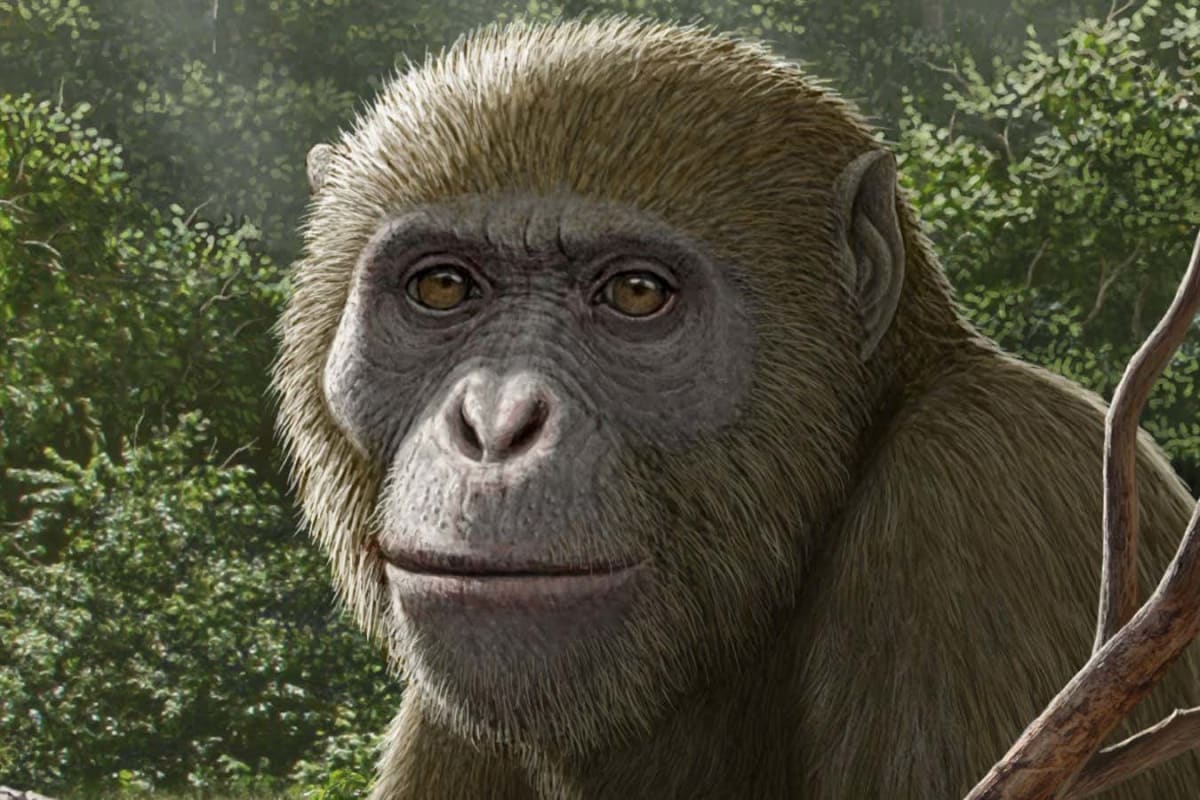
The newly discovered species, named Masripithecus moghraensis, is now considered the closest known ancestor of all living apes. That family tree includes humans, gorillas, chimpanzees, gibbons, and siamangs.
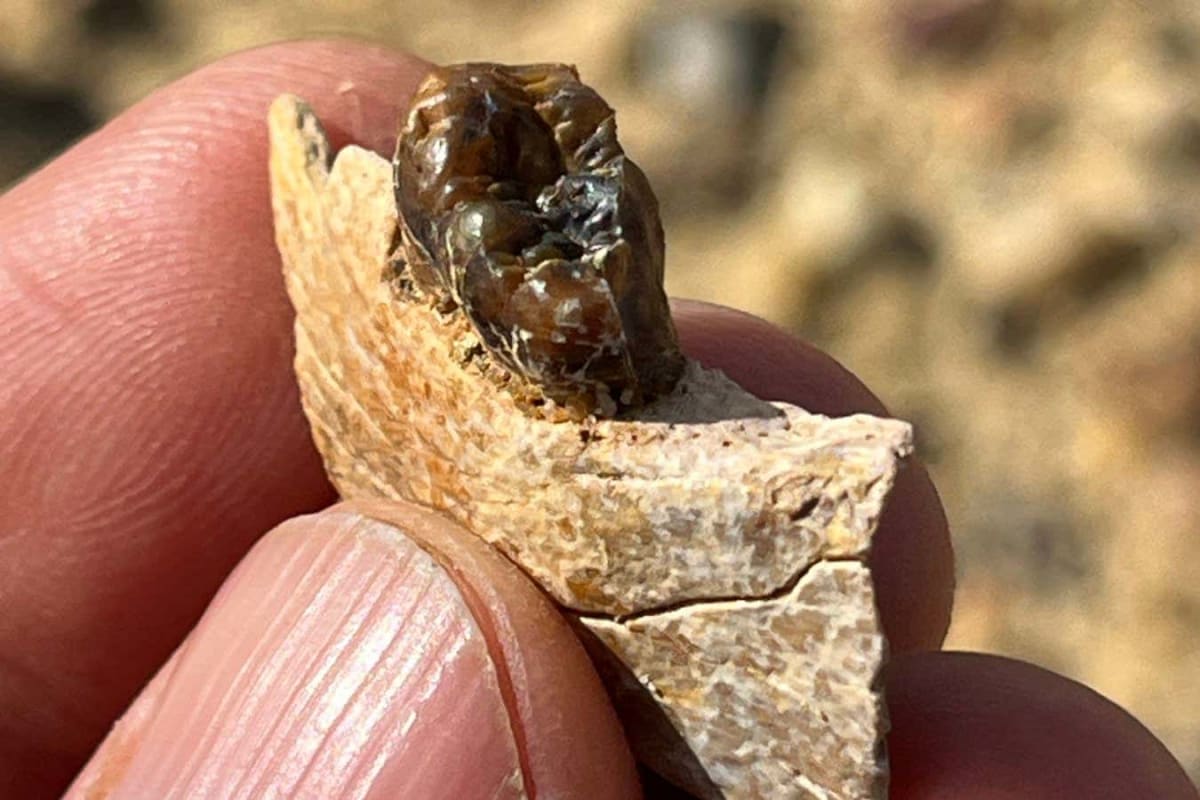
Shorouq Al-Ashqar at Mansoura University led the team that found four fossil specimens total. The best preserved piece was the front of a jawbone with two molar teeth still attached, all from a single individual.
What makes these fossils clearly ape-like? The structure where the two halves of the jaw connect shows distinct similarities to later apes. The molars tell an even clearer story with their low, rounded shape and heavy ridges, plus the second and third molars are nearly equal in size, a hallmark ape feature.
Scientists estimate M. moghraensis weighed about 25 kilograms, roughly the size of a small female chimpanzee today. The animal's robust jaw and complex molars suggest it ate mainly fruits but could crack open harder foods like nuts and seeds when needed.
The Ripple Effect
This discovery opens an entirely new chapter in understanding human origins. For decades, paleontologists kept finding similar early ape species in East Africa, leading everyone to assume that's where the group first appeared.
Now the story is bigger. Northern Africa played a crucial role in ape evolution that researchers completely missed. Erik Seiffert at the University of Southern California says knowing the true story was different in northern Africa changes how scientists will search for and interpret future fossil finds.
The team still has questions to answer. Without finding limb bones, they can't yet tell whether M. moghraensis spent most of its time in trees or on the ground, or how exactly it moved through its environment.
But this breakthrough reminds us that the story of where we came from keeps getting richer and more complex with every fossil unearthed.
More Images

Based on reporting by Google: fossil discovery
This story was written by BrightWire based on verified news reports.
Spread the positivity!
Share this good news with someone who needs it