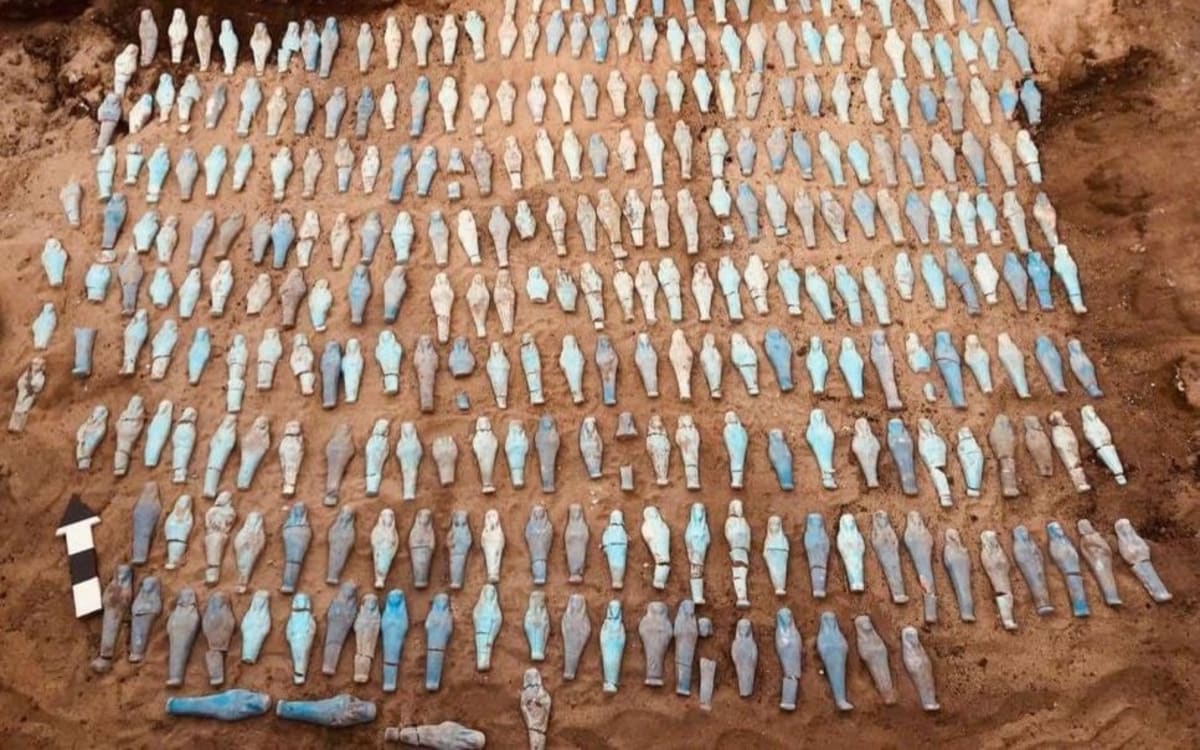
Egypt Tomb Discovery Reveals 560 Figurines, Ancient Trade
Archaeologists in Egypt's Nile Delta have unearthed a tomb containing 560 intricately carved funerary figurines and evidence of Mediterranean trade from over 2,000 years ago. The discovery offers fresh insights into ancient burial practices and cultural connections that spanned the ancient world.
A newly discovered tomb in Egypt's Nile Delta is rewriting what we know about ancient burial customs and international trade networks that flourished thousands of years ago.
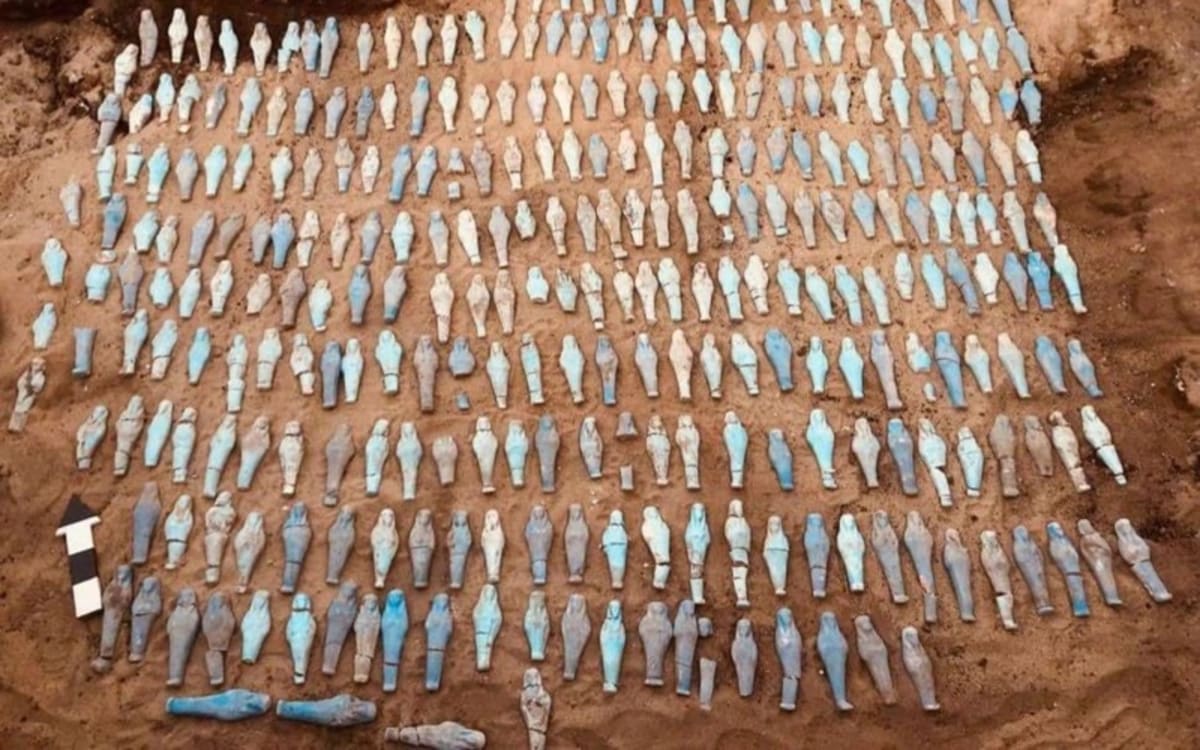
Egyptian archaeologists working at the Tell Quesna cemetery in Menoufia Governorate have uncovered a funerary complex filled with 560 small figurines called ushabti. These figurines were believed to serve the deceased in the afterlife, and some bear inscriptions from the Book of the Dead, ancient Egypt's guide to the journey after death.
The tomb dates back to the Late and Greco-Roman periods, when Egypt was a crossroads of cultures and commerce. Inside the main hall and connected chambers, researchers found human remains arranged in traditional Osirian positions, protective amulets, and pottery vessels that still contain residues likely used in mummification rituals.
What makes this discovery particularly exciting is what it reveals about ancient globalization. Among the local Egyptian artifacts, archaeologists found imported pottery from the Greek island of Rhodes, confirming active trade routes between Egypt and the wider Mediterranean basin during this era.
Egypt's Minister of Tourism and Antiquities, Sherif Fathi Attia, emphasized that the find provides new windows into both religious practices and economic life of the period. The sheer number of figurines suggests the tomb belonged to someone of considerable status who could afford elaborate funeral preparations.
The mission, affiliated with Egypt's Supreme Council of Antiquities, also documented unusual funerary features that are still being analyzed. These elements are giving researchers fresh evidence to understand how burial traditions evolved during a transformative period in Egyptian history.
Why This Inspires
This discovery reminds us that human connections across cultures aren't new. Thousands of years ago, people were already trading goods, sharing ideas, and influencing each other's traditions across vast distances. The pottery from Rhodes sitting alongside Egyptian figurines tells a story of cooperation and exchange that transcends time.
Archaeological work like this continues to surprise us with what our ancestors accomplished. Each artifact adds another piece to the puzzle of human creativity, faith, and community.
The team continues excavating and studying the site, promising more revelations about how ancient peoples lived, believed, and connected with one another across the ancient world.
More Images

Based on reporting by Google: archaeological discovery
This story was written by BrightWire based on verified news reports.
Spread the positivity!
Share this good news with someone who needs it
%2Fhttps%3A%2F%2Ftf-cmsv2-smithsonianmag-media.s3.amazonaws.com%2Ffiler_public%2F95%2F43%2F9543c0d6-d8e6-41b5-acd2-e351ebf3f44a%2Fvikingesoelvskat-rebild-2026-6-2048x1365.jpeg)