Egypt Turns Crisis Into Jobs With Water Hyacinth Project
Egypt is transforming an invasive water plant into income for rural women while tackling its water shortage with cutting-edge technology. The country's new Water 2.0 system uses drones, satellites, and a digital twin of a major canal to save every precious drop.
Egypt is proving that climate challenges can spark creative solutions by turning an invasive weed into economic opportunity while revolutionizing how it manages its limited water supply.
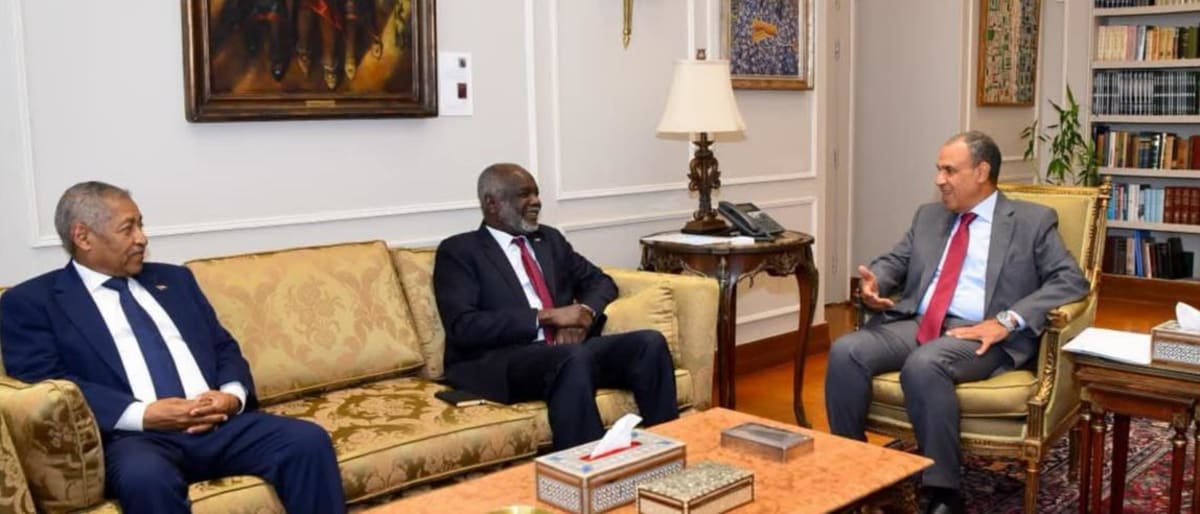
Minister of Water Resources and Irrigation Hani Sewilam shared Egypt's comprehensive water strategy at the UN Convention to Combat Desertification conference in Mongolia. The plan addresses a critical reality: Egypt has limited water but growing needs.
At the heart of Egypt's approach is Water 2.0, a second-generation management system that treats water like the precious resource it is. The country now uses satellite imagery and drones to monitor its water infrastructure in real time, allowing officials to make faster, smarter decisions about where every drop goes.
One standout innovation is Egypt's digital twin of the Ismailia Canal. This virtual replica integrates data and modern technology to track and manage water flow with unprecedented precision, marking a major leap in the country's digital transformation efforts.
Egypt is also expanding its water supply by treating and reusing agricultural drainage water. Combined with upgraded infrastructure and advanced operational technologies, these efforts help stretch available resources further without requiring new sources.
The Ripple Effect
The most inspiring part of Egypt's water strategy might be how it empowers people. The ministry launched a program training rural women to make handicrafts from water hyacinth, an invasive plant that chokes waterways and damages ecosystems.
What was once an environmental headache is now a source of income and jobs. Women gain new skills and economic independence while helping clear Egypt's canals of a destructive invader.
Egypt is also strengthening cooperation with other Nile Basin and African countries, sharing expertise and technology that could benefit millions across the continent. Water User Associations now give ordinary citizens a voice in managing their local water resources, while closer coordination with legislative bodies ensures policies reflect real community needs.
The country is even protecting its coastlines from climate change impacts using nature-based solutions and environmentally friendly materials. These efforts safeguard vulnerable areas while preserving natural habitats.
Sewilam emphasized that good governance and community participation are just as crucial as technology. When people understand and participate in water management, solutions stick.
Egypt's integrated approach combining modern infrastructure, advanced tech, water reuse, community engagement, and sound governance offers a blueprint for other water-stressed nations facing similar pressures.
Based on reporting by Egypt Independent
This story was written by BrightWire based on verified news reports.
Spread the positivity!
Share this good news with someone who needs it