Egypt Uncovers 1,600-Year-Old Christian Monastery Site
Archaeologists in Egypt just discovered a remarkably preserved 5th-century Christian monastery that reveals how ancient monks lived and worshiped together. The find includes stunning wall paintings, mysterious Greek inscriptions, and clues about daily life from over 1,600 years ago.
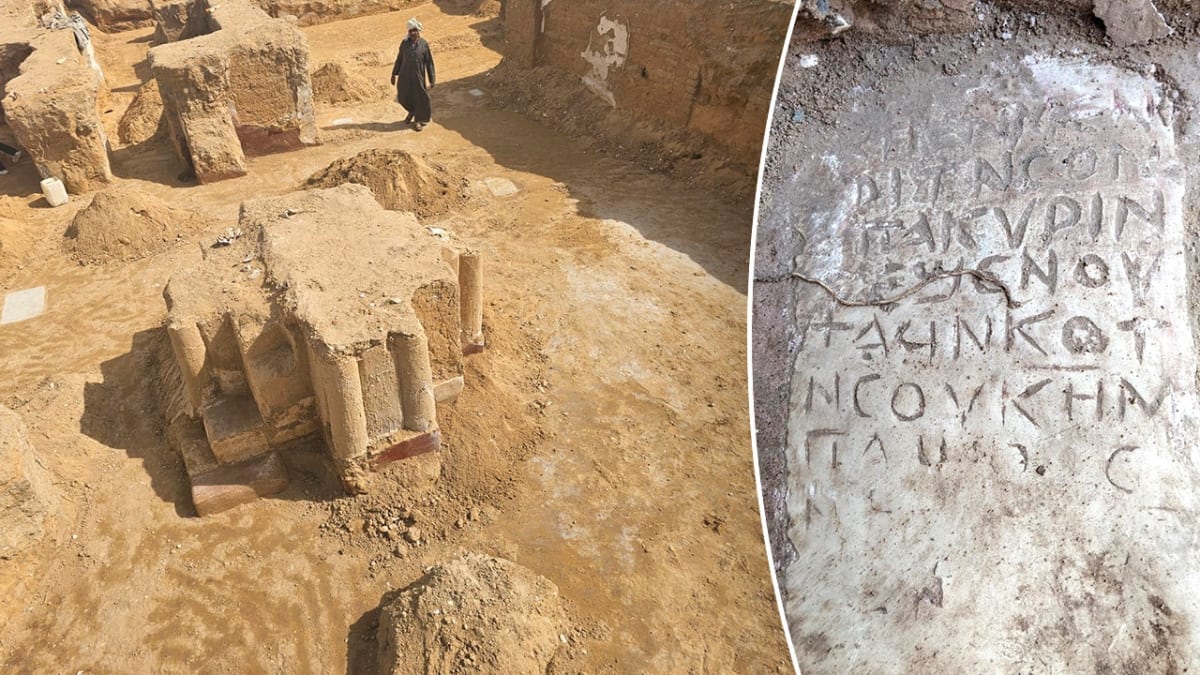
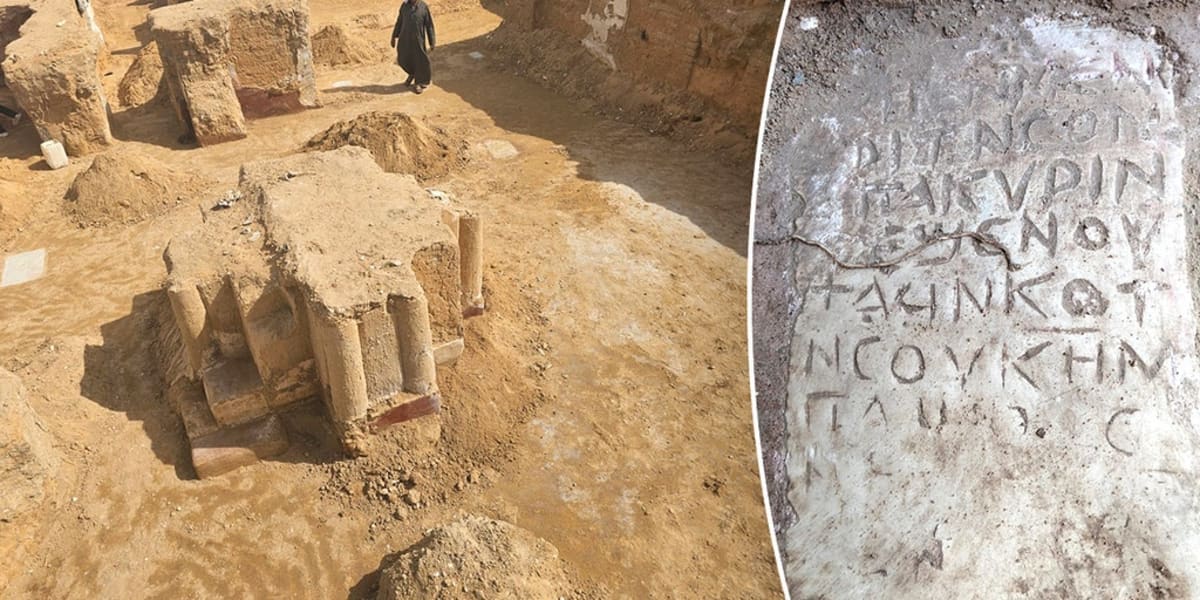
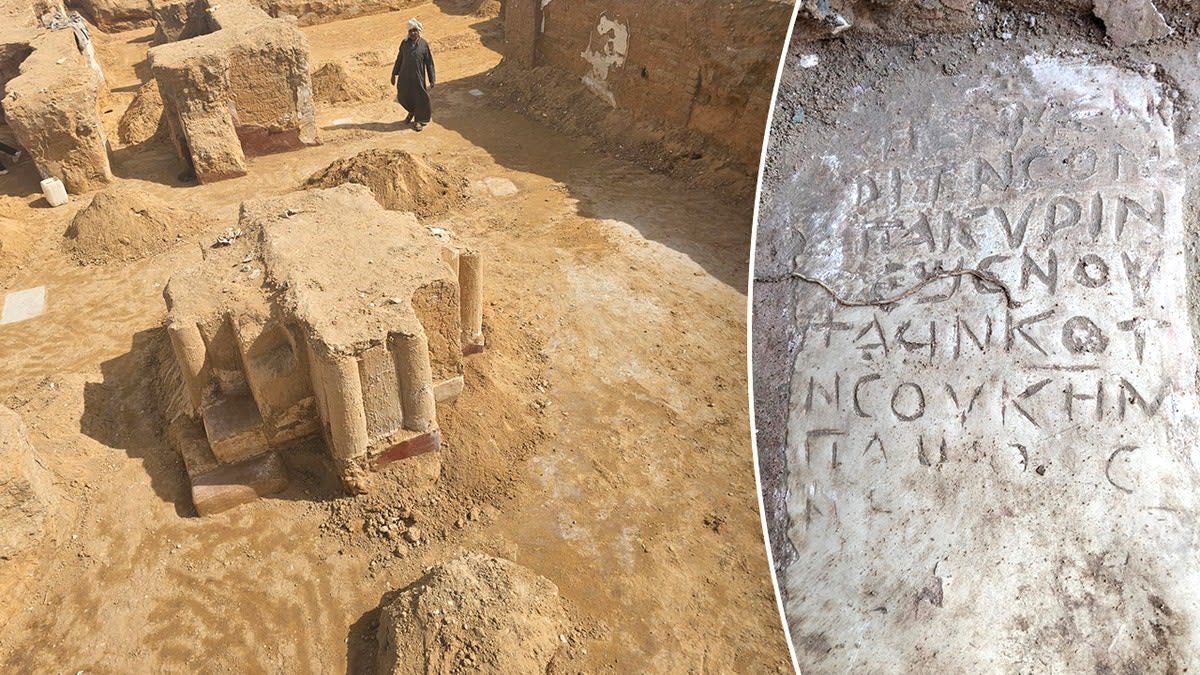
Egyptian archaeologists have unearthed a 1,600-year-old Christian monastic complex in remarkable condition, complete with vibrant artwork and a mysterious inscription that may mark an ancient tombstone.
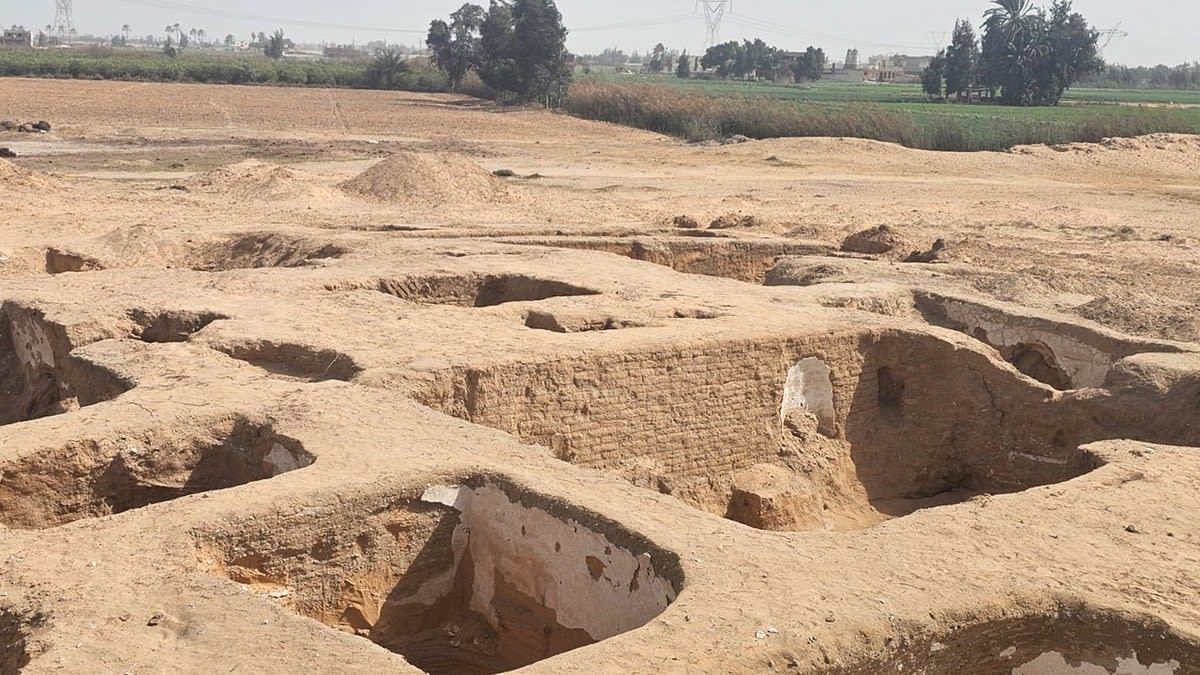
The discovery in Egypt's Beheira Governorate dates back to the 5th century, representing one of the earliest examples of Coptic monasticism. This form of organized Christian living laid the foundation for monastic traditions still practiced around the world today.
The main building served as a guesthouse for visitors, featuring 13 multipurpose rooms used for hospitality and teaching. Archaeologists also found kitchens and storage areas, painting a vivid picture of how these ancient communities welcomed travelers and shared their faith.
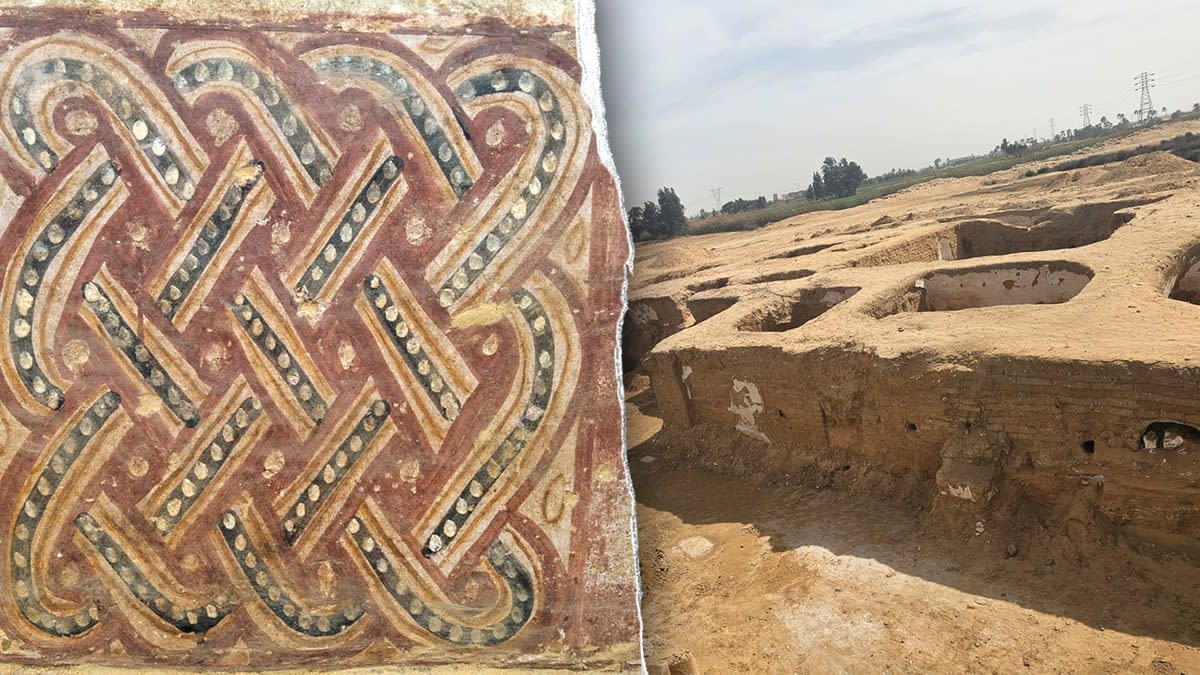
What makes this discovery truly special is its incredible preservation. Walls and architectural features remain intact, while paintings still adorn the ancient surfaces in colors that have survived more than a millennium.
Among the finds, researchers uncovered an inscription in early Greek that may read "Abba Kir, son of Shenouda." The inscription likely served as a tombstone, offering a personal connection to someone who lived and died at this sacred site centuries ago.
The Ripple Effect
This discovery goes beyond ancient history. The site reveals how early Christian communities evolved from isolated hermits living in individual cells to more communal arrangements where monks lived, worked, and worshiped together.
The architectural progression shows a shift toward cooperation and shared living that influenced religious communities worldwide. These early monastic centers became hubs of learning, art, and hospitality that shaped Christian practice for generations.
Everyday objects found at the site tell deeply human stories. Bird and animal bones, along with oyster shells discovered in one room, reveal what these monks ate for dinner over 1,600 years ago.
A complete marble column and pottery fragments decorated with plants, geometric patterns, and Coptic letters demonstrate the artistic skill these communities valued. According to officials, the wall paintings rank among the most important sources for studying early Coptic art in Egypt.
The Qallaya discovery joins other recent Egyptian finds illuminating ancient Christian history. In January, archaeologists found another monastic complex in Al-Duwair village, while excavators at Kharga Oasis uncovered two 1,500-year-old churches and an ancient mural of Jesus.
Each new discovery adds another piece to understanding how faith communities built connections, created beauty, and found meaning in their daily lives across the centuries.
More Images
Based on reporting by Fox News Travel
This story was written by BrightWire based on verified news reports.
Spread the positivity!
Share this good news with someone who needs it